APN | Jordan
29 December 2025
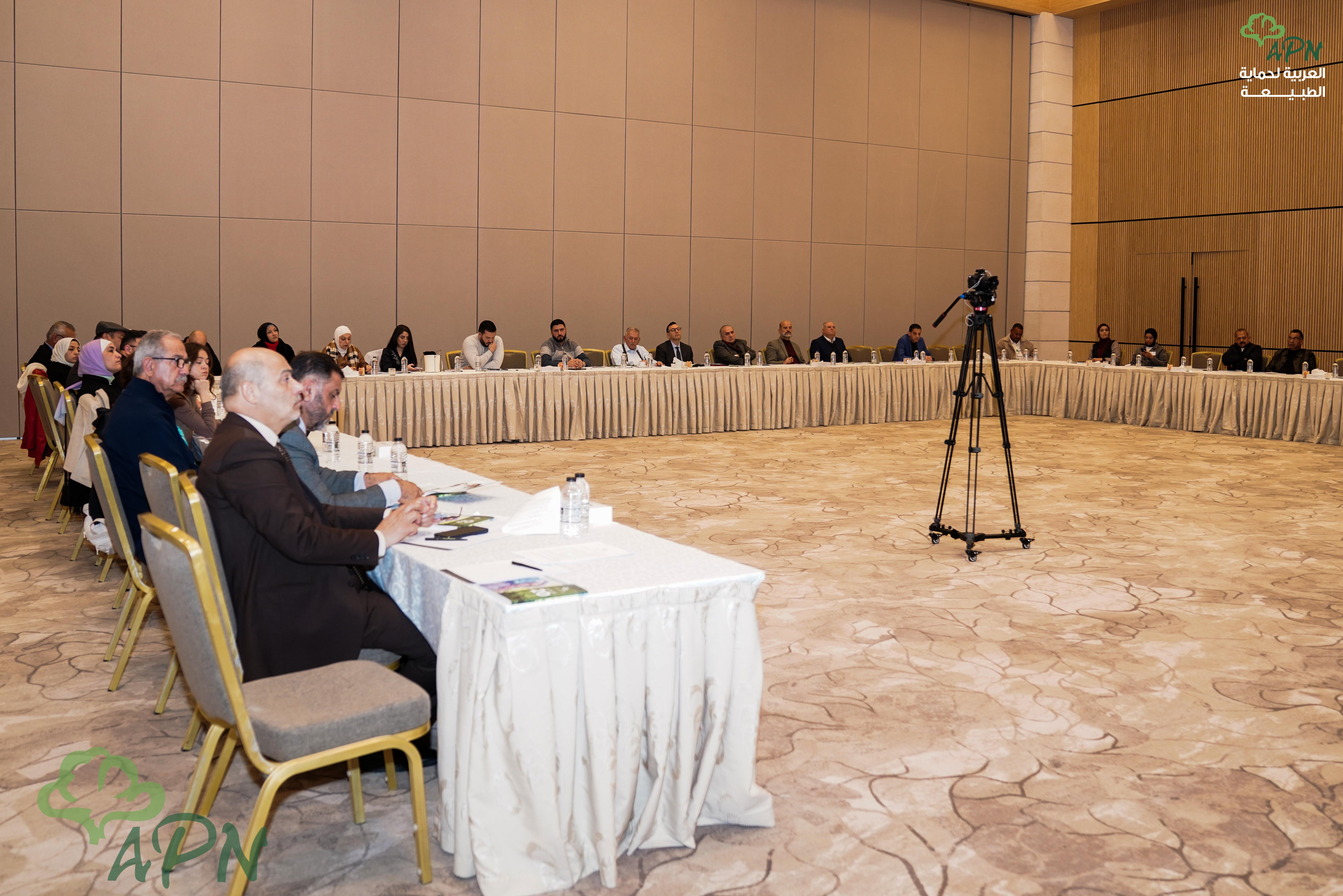
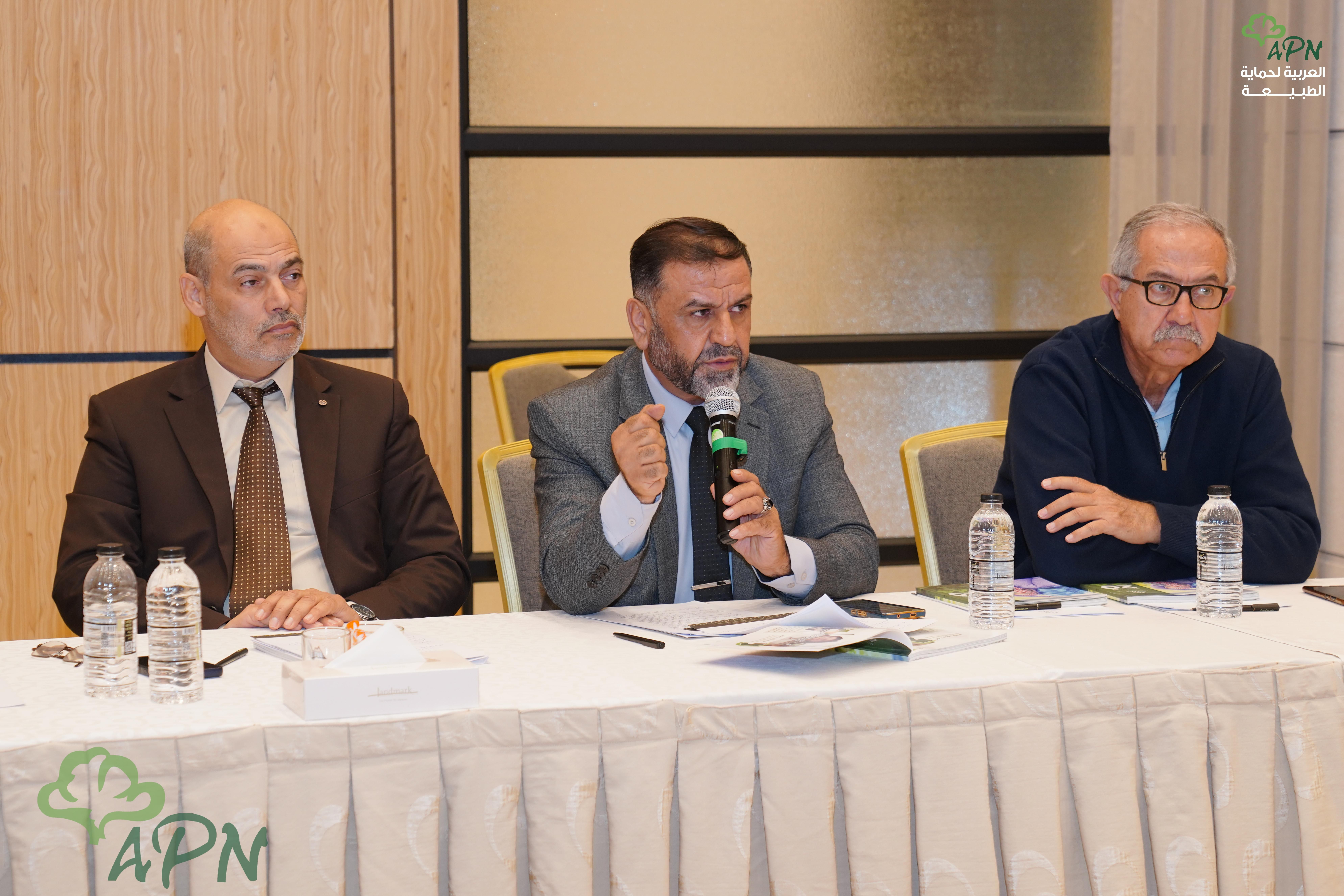
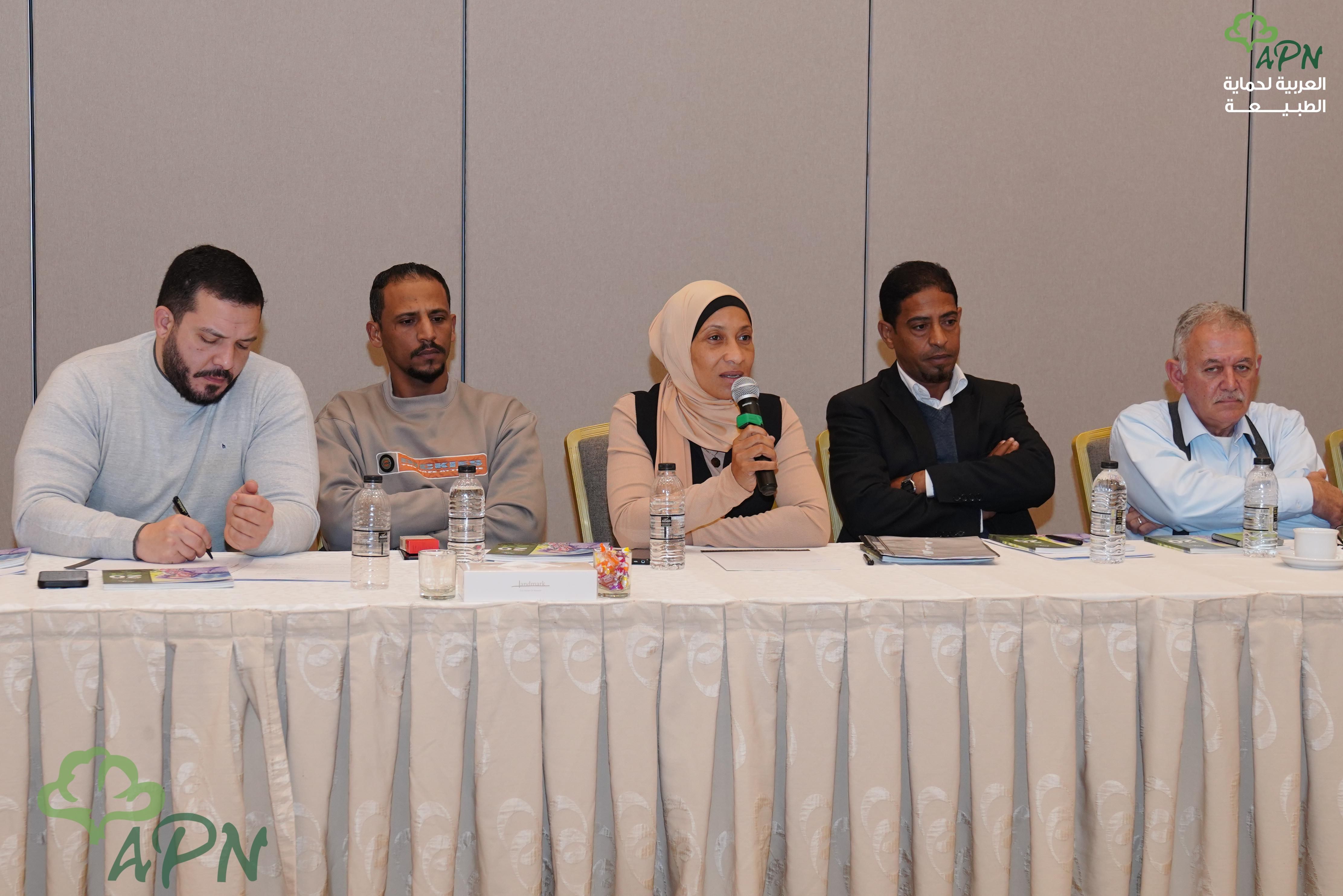
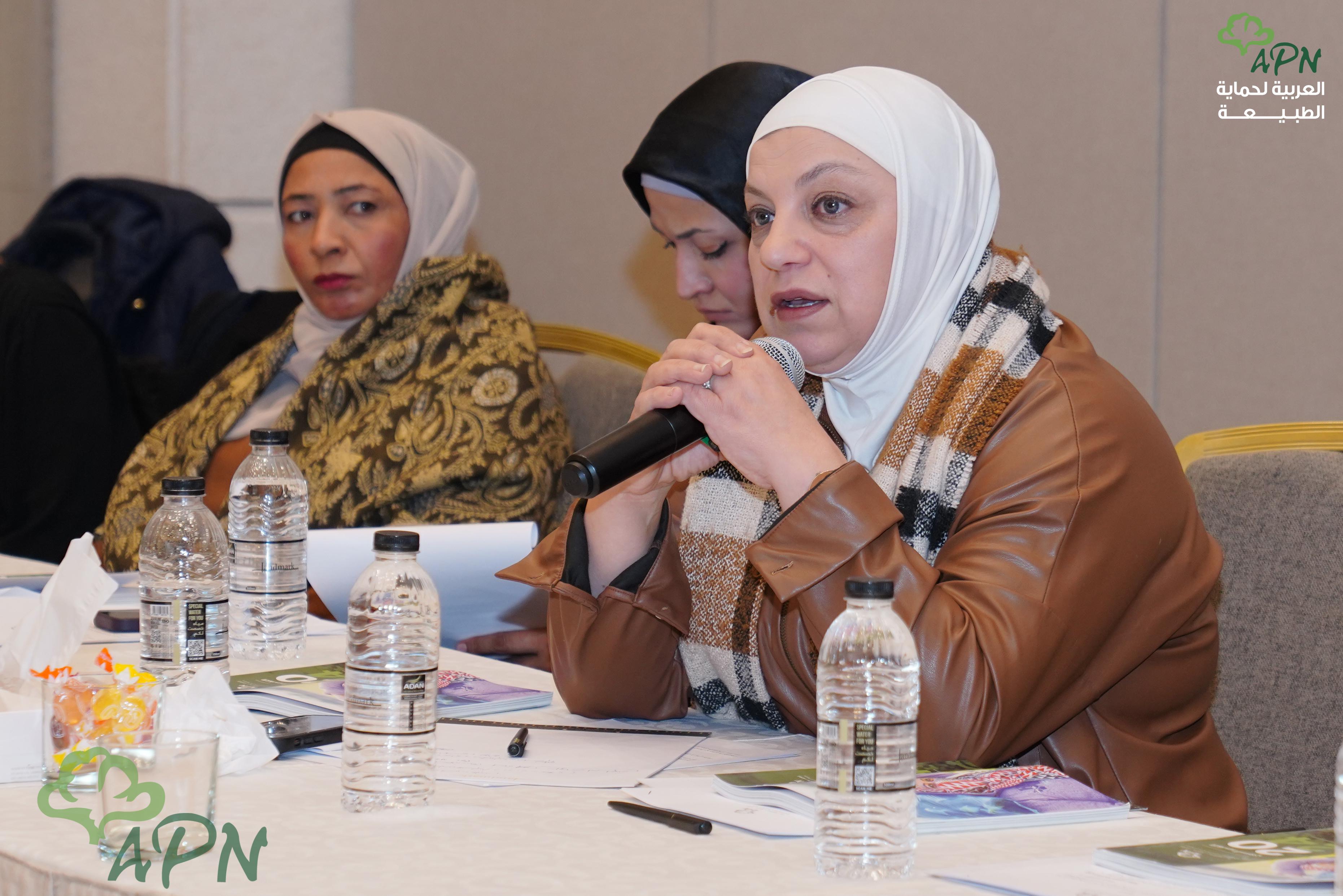
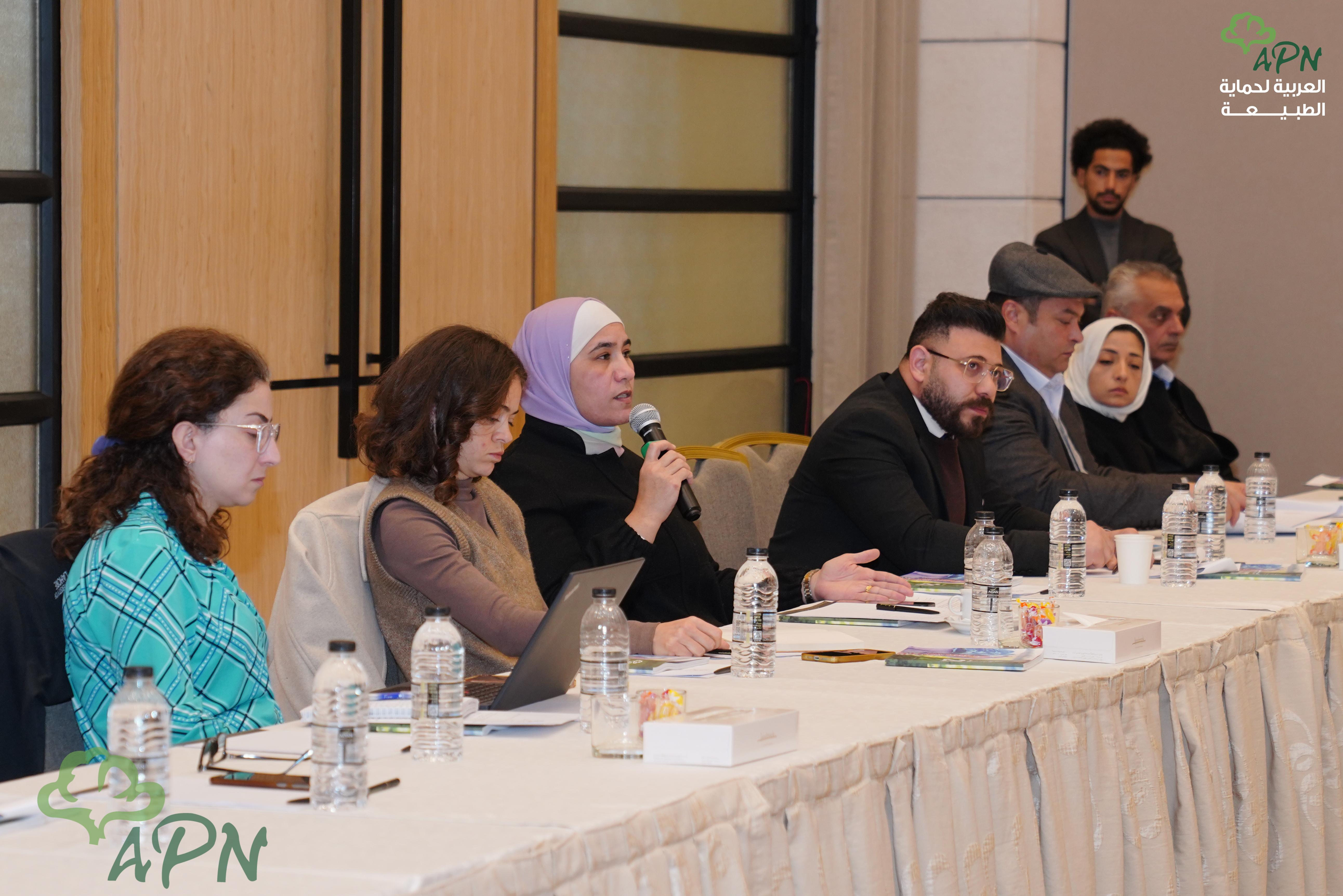
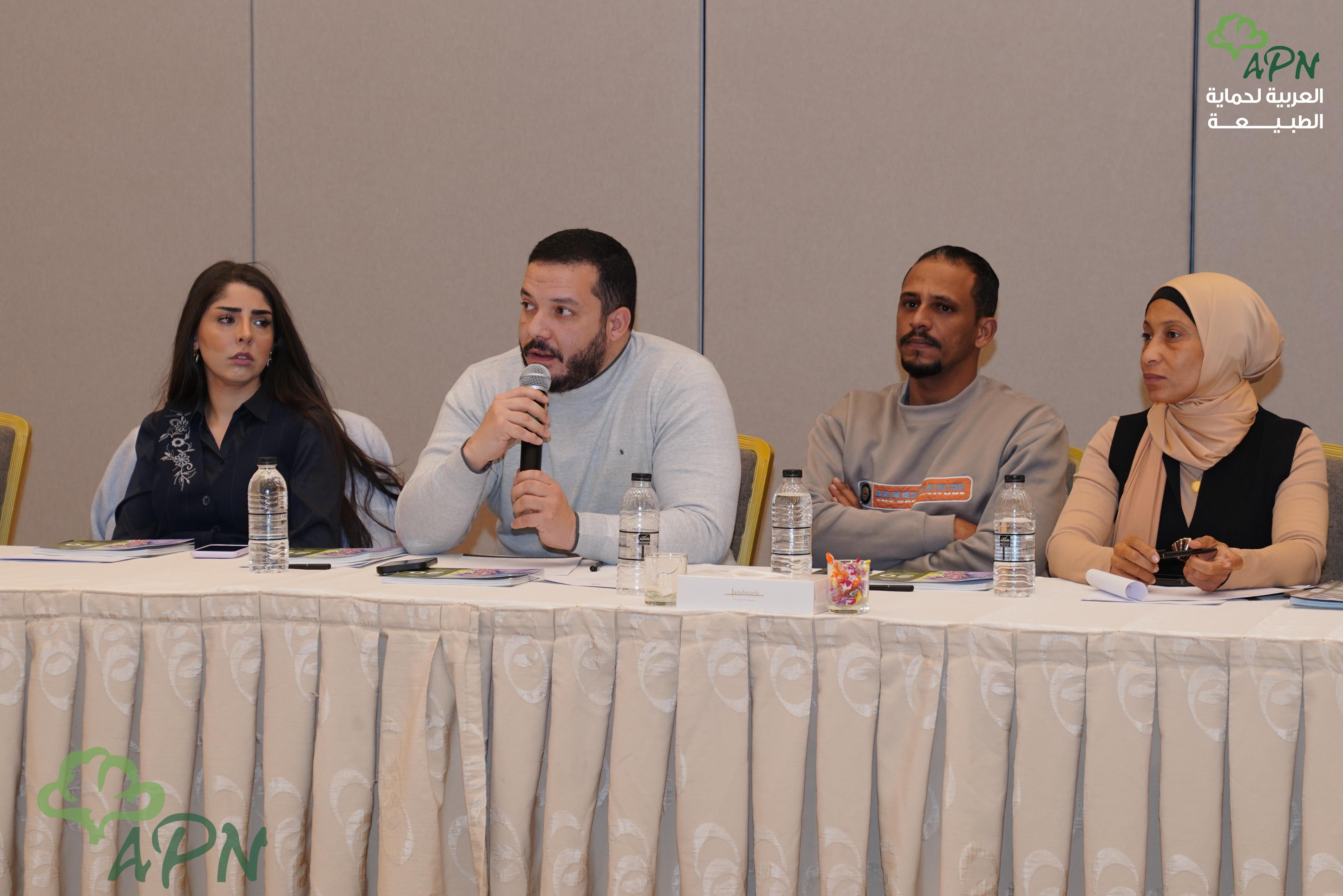
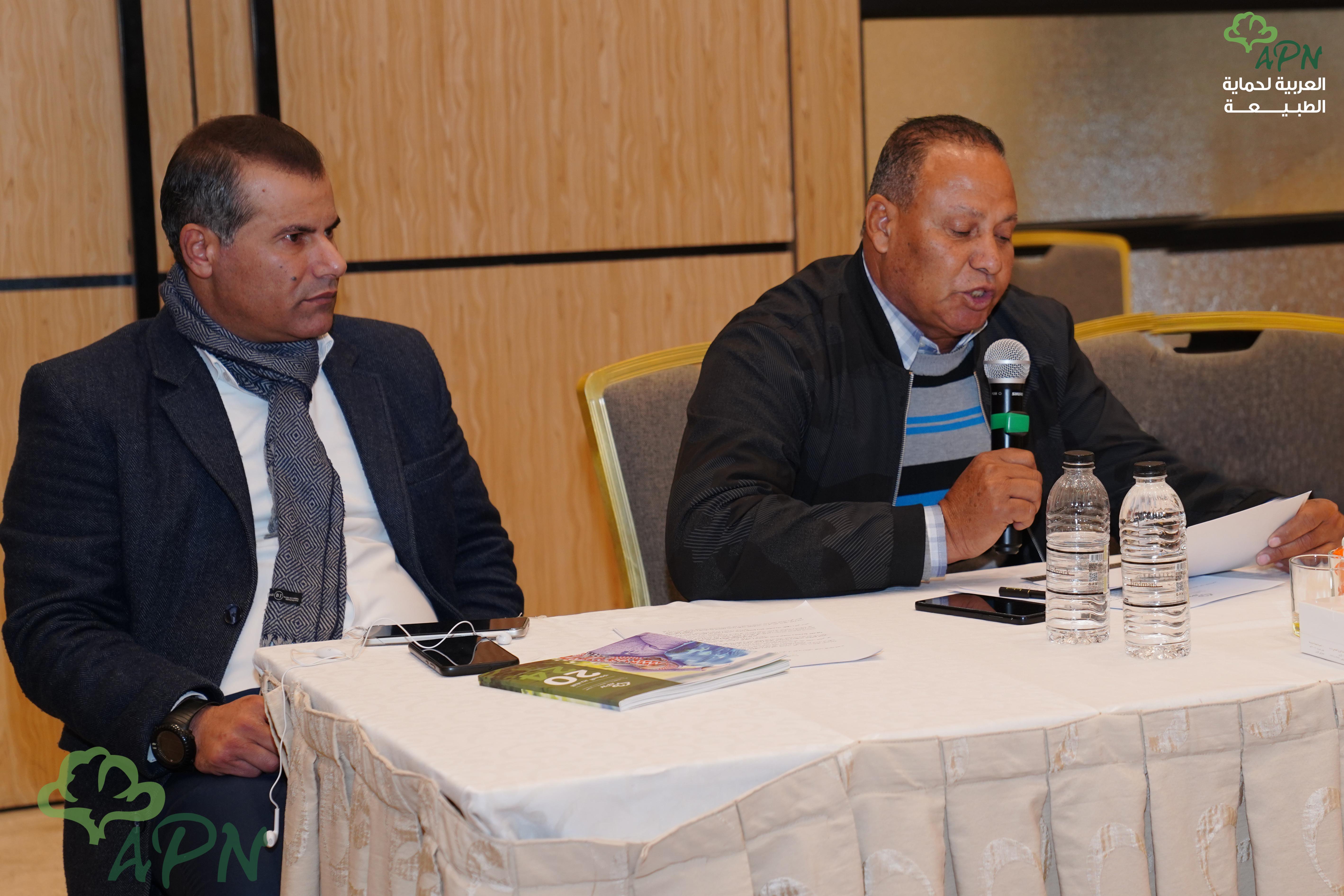
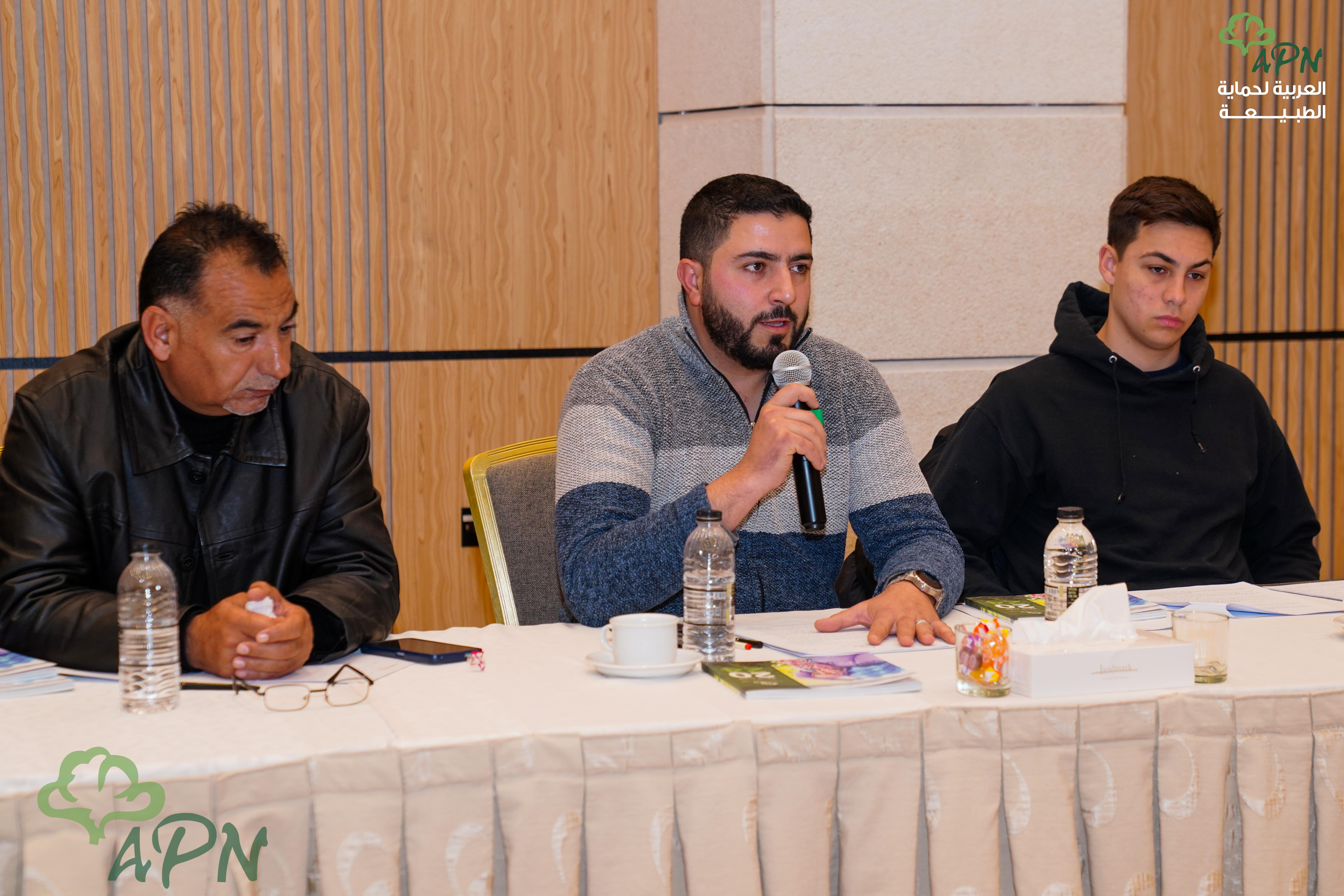
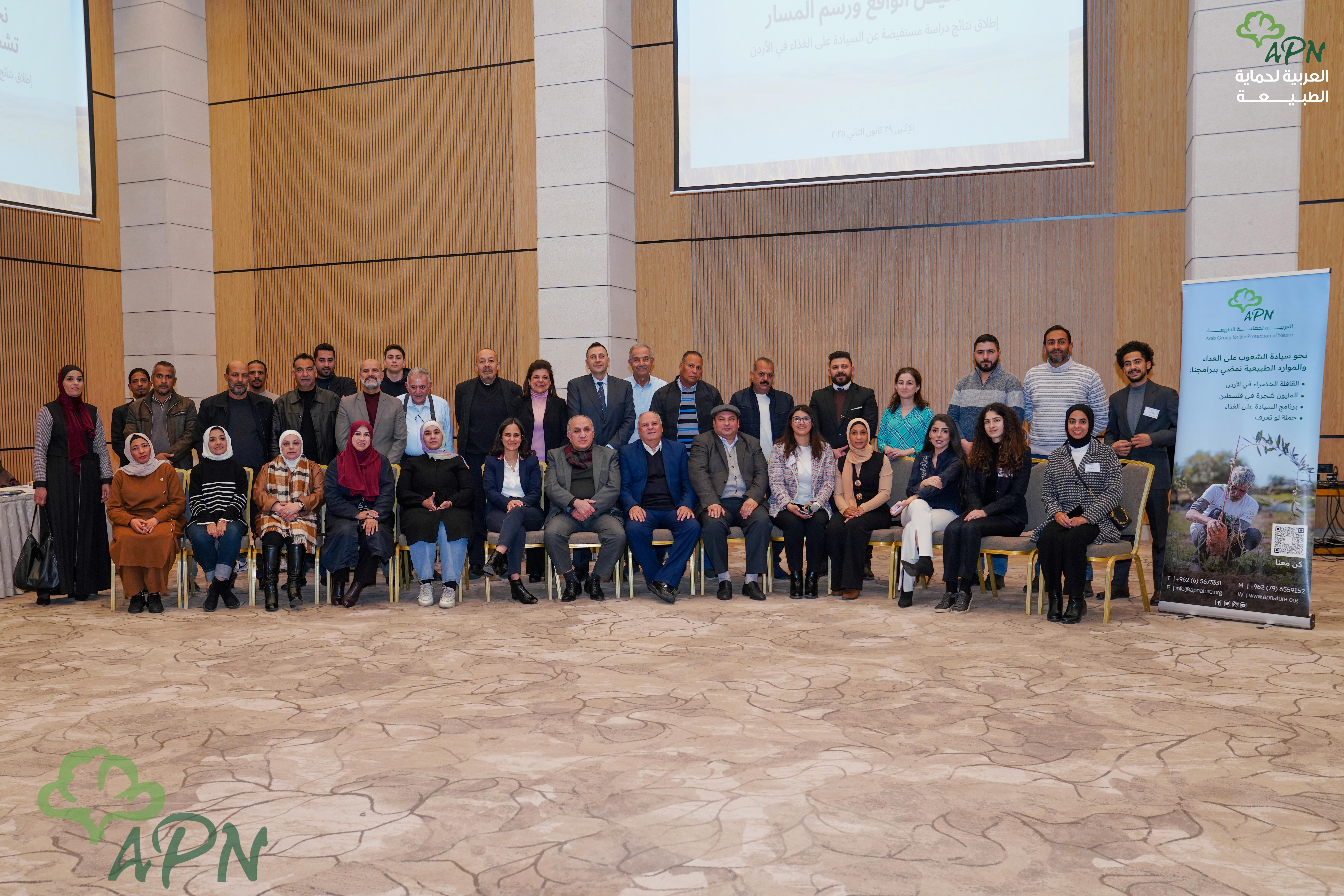
APN presented the findings of its comprehensive study on food sovereignty in Jordan during a multi-actor meeting that brought together agricultural and water experts, farmers, representatives of relevant ministries and government bodies, members of parliament, and civil society organisations.
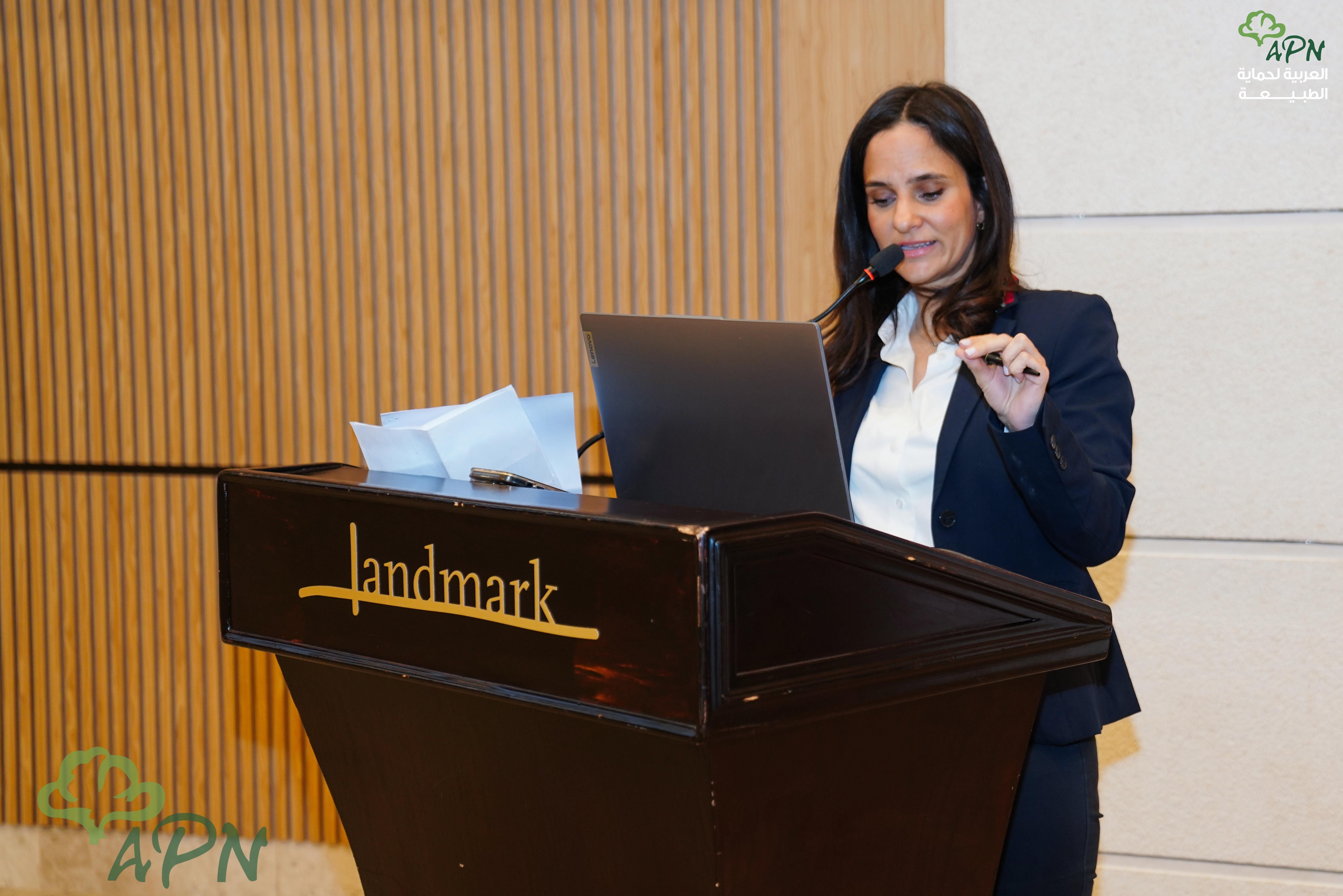
In her opening address, APN Chairperson Razan Zuayter stressed that achieving food sovereignty in Jordan is both possible and necessary – provided there is widespread awareness of its importance and genuine political will across all sectors. She emphasised that government institutions, the private sector, and civil society must work in partnership, with farmers and their representatives placed firmly at the heart of decision-making.
The study was developed using a mixed-methods participatory approach that combined fieldwork with desk-based research. It drew on more than 40 in-depth interviews with farmers, agricultural workers, and sector specialists, as well as two large consultative meetings. The first brought together 73 farmers and agricultural workers, while the second convened nearly 100 representatives from public institutions, civil society, and private sector, alongside 24 farmers and workers. In addition, the research included 72 surveys – 58 with farmers and 12 with agricultural workers – and an extensive review of the historical evolution of Jordan’s agricultural sector, its key transformations, and the legal and institutional frameworks governing it.
The study sheds light on the deep structural challenges confronting Jordan’s food and agricultural systems, particularly in land and water governance, agricultural finance, seed systems, labour conditions, and market access. These challenges are further intensified by climate change, economic pressures, and the steady retreat of policies designed to protect the agricultural sector.
Based on its findings, the study puts forward a set of strategic recommendations, calling for:
- Elevating food sovereignty as a national priority within development policies and plans, and adopting participatory and transparent decision-making processes.
- Protecting agricultural land and water resources from commodification and speculation, and guaranteeing farmers’ rights to secure land tenure and equitable access to water.
- Supporting small-scale farmers through fair financing, affordable production inputs, accessible agricultural credit, and market regulations that curb unequal competition.
- Localising seed production, rebuilding staple crop cultivation, and advancing scientific research and agricultural extension services.
- Developing local food industries, expanding alternative marketing channels, and encouraging consumption of national products.
- Improving the conditions and rights of agricultural workers, and strengthening unionisation and collective representation.
- Greater regional Arab integration based on shared food needs, knowledge exchange, and responsible investment, rather than extractive models that undermine local agricultural production, as well as the adoption of a rights-based approach that resists the normalisation of resource theft and colonial expansion.
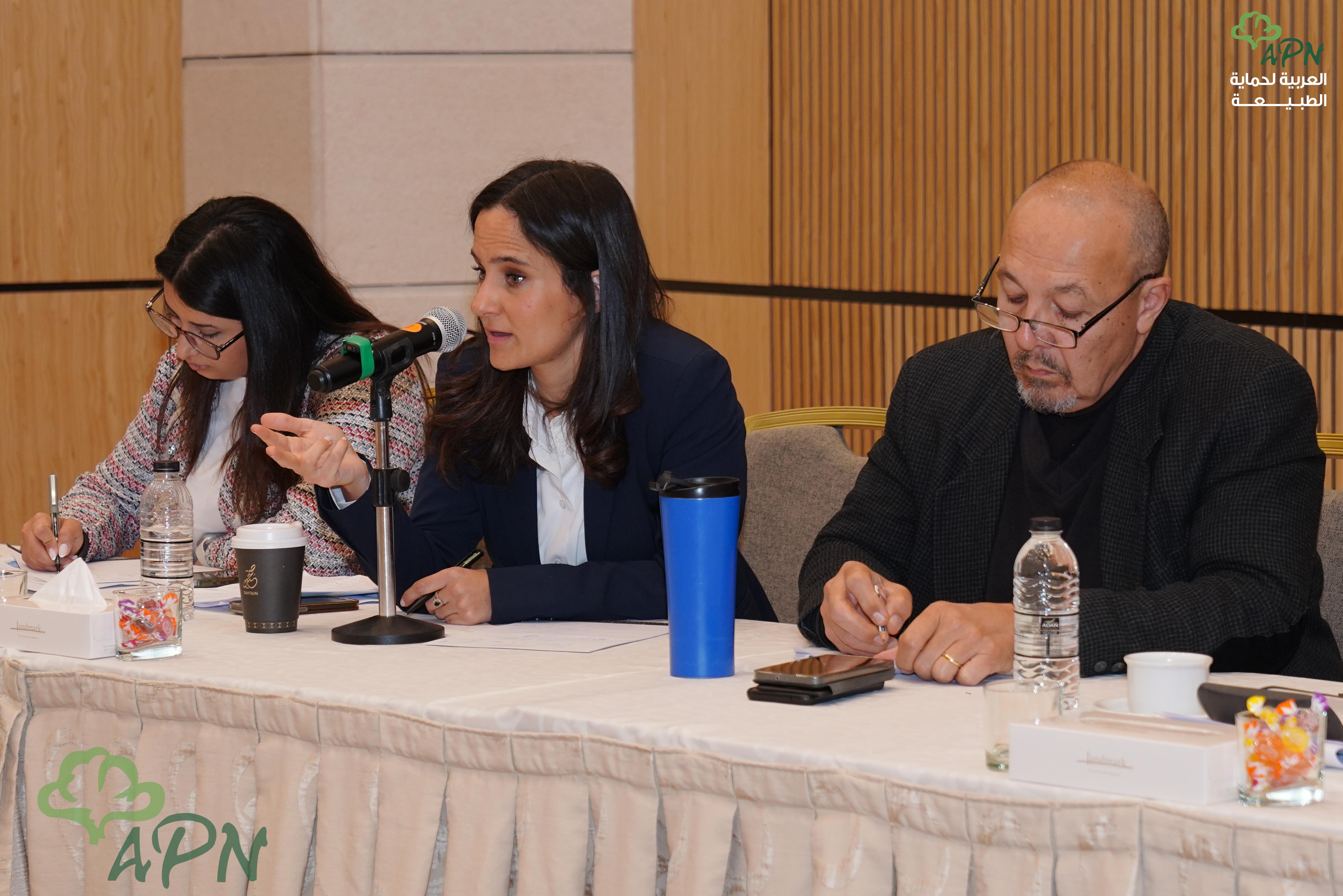
APN General Manager Mariam Al Jaajaa underscored that the study is intended as a practical resource for policymakers and a catalyst for serious national dialogue on the future of food and agriculture in Jordan – one grounded in justice, sustainability, and steadfastness in the face of growing crises.