APN | Gaza
28 October 2025
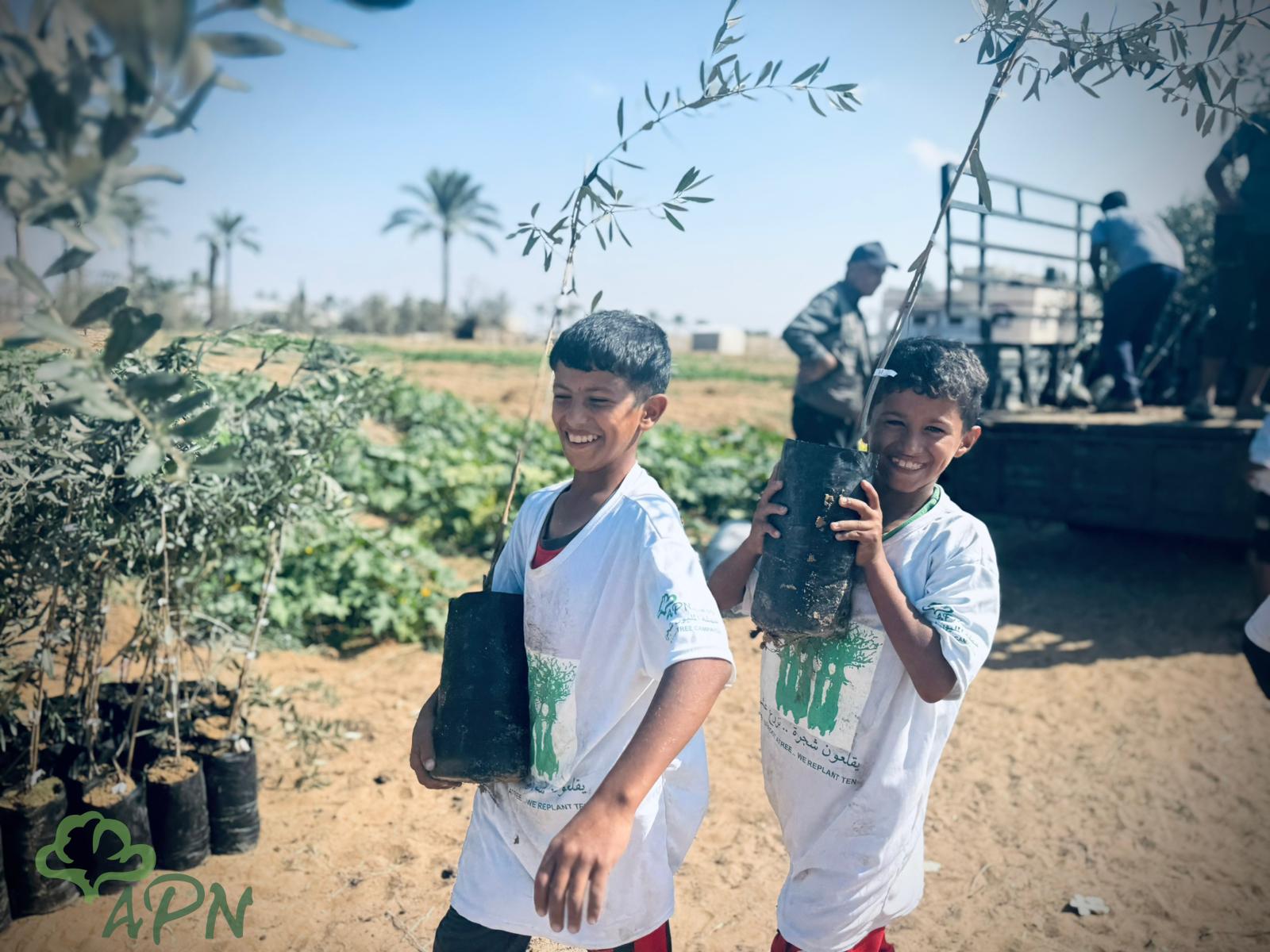
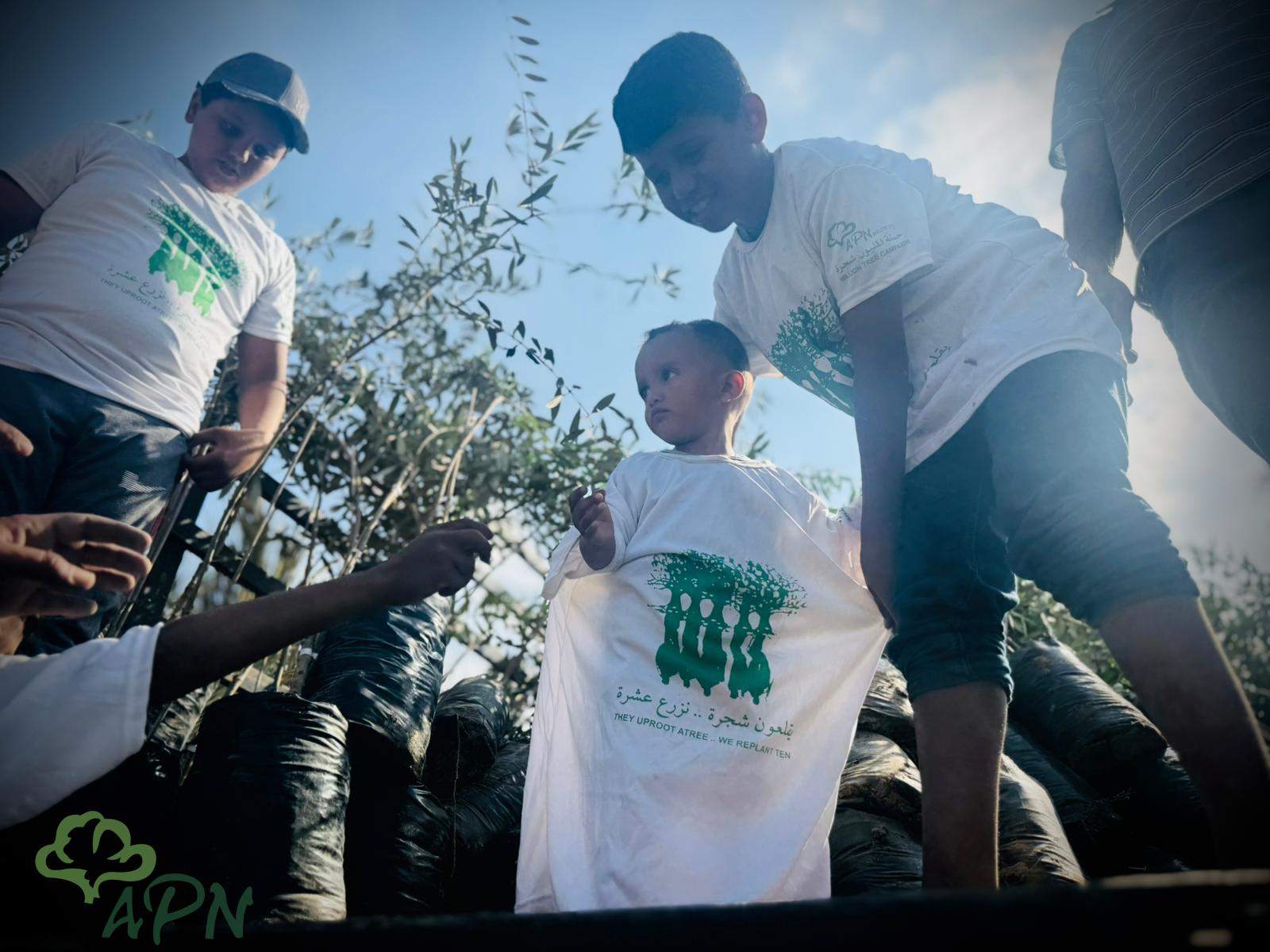
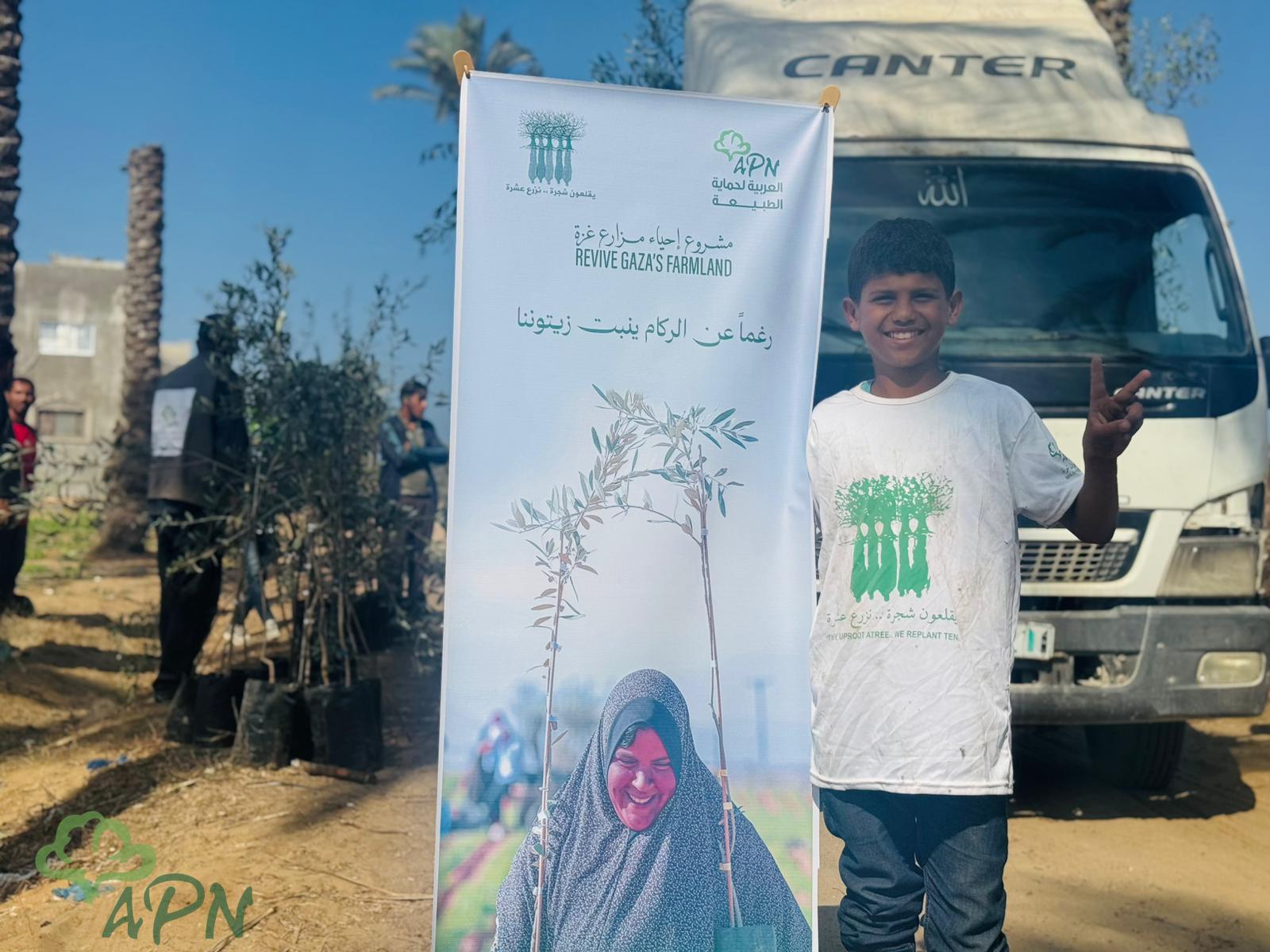
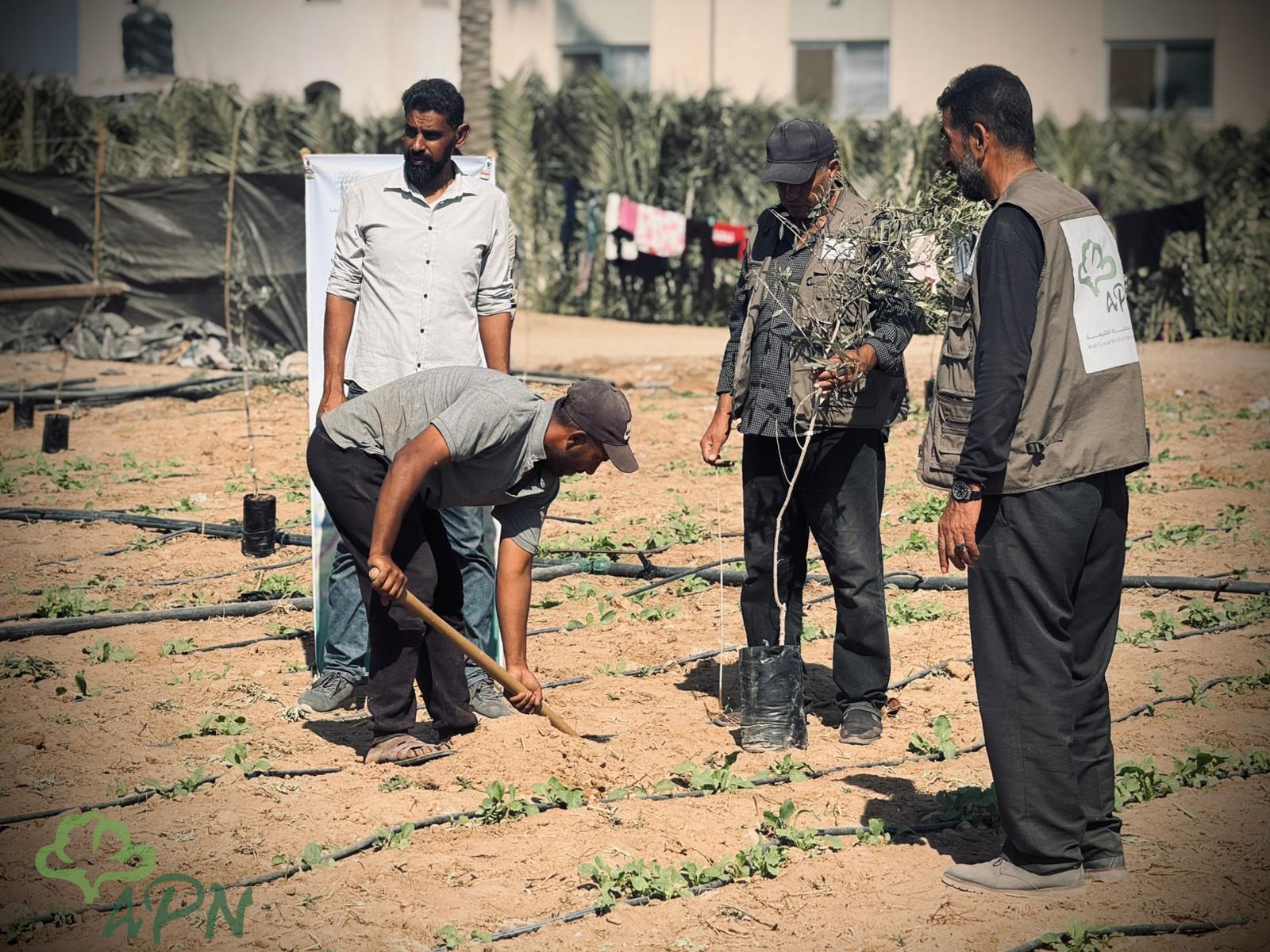
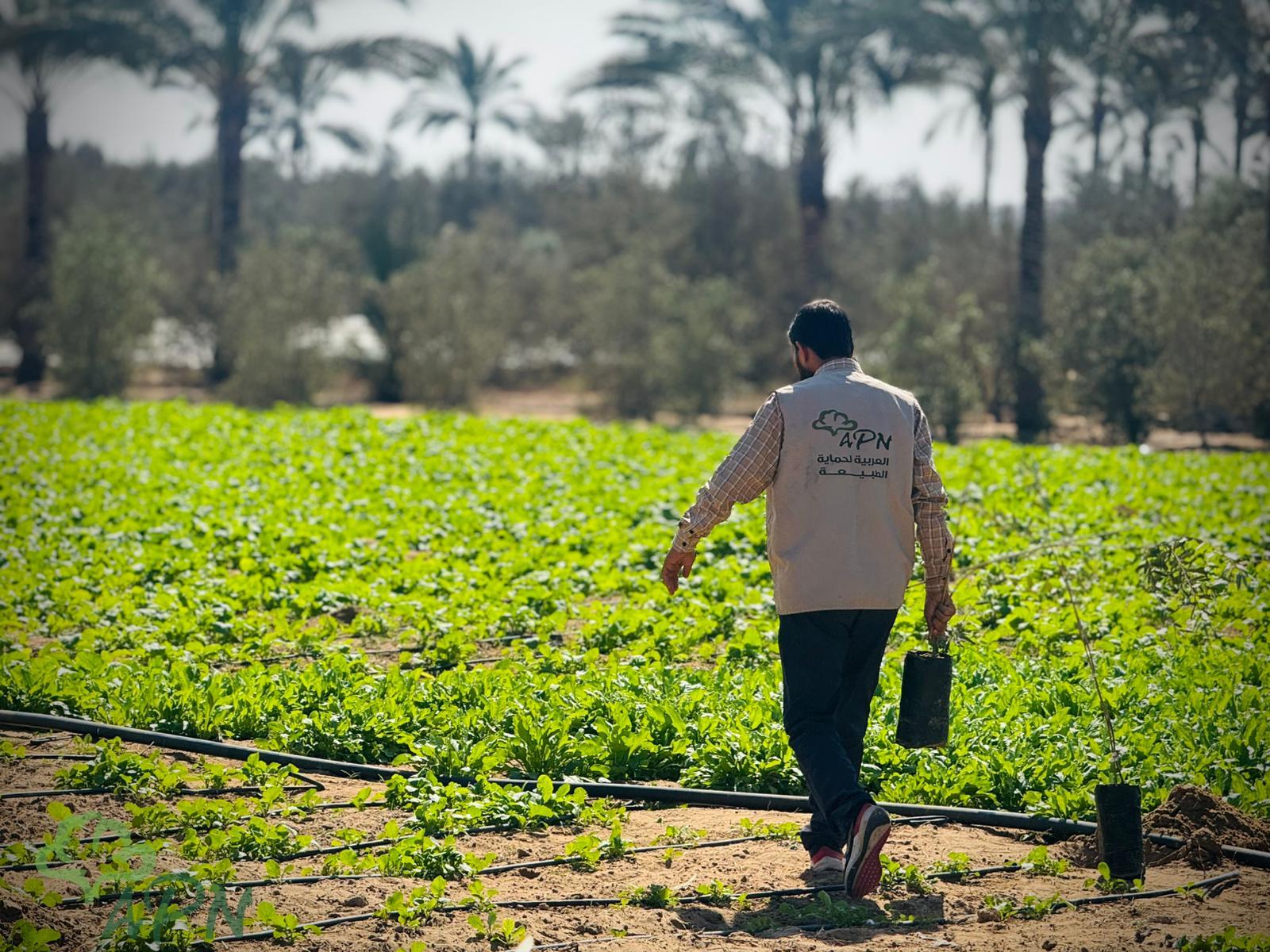
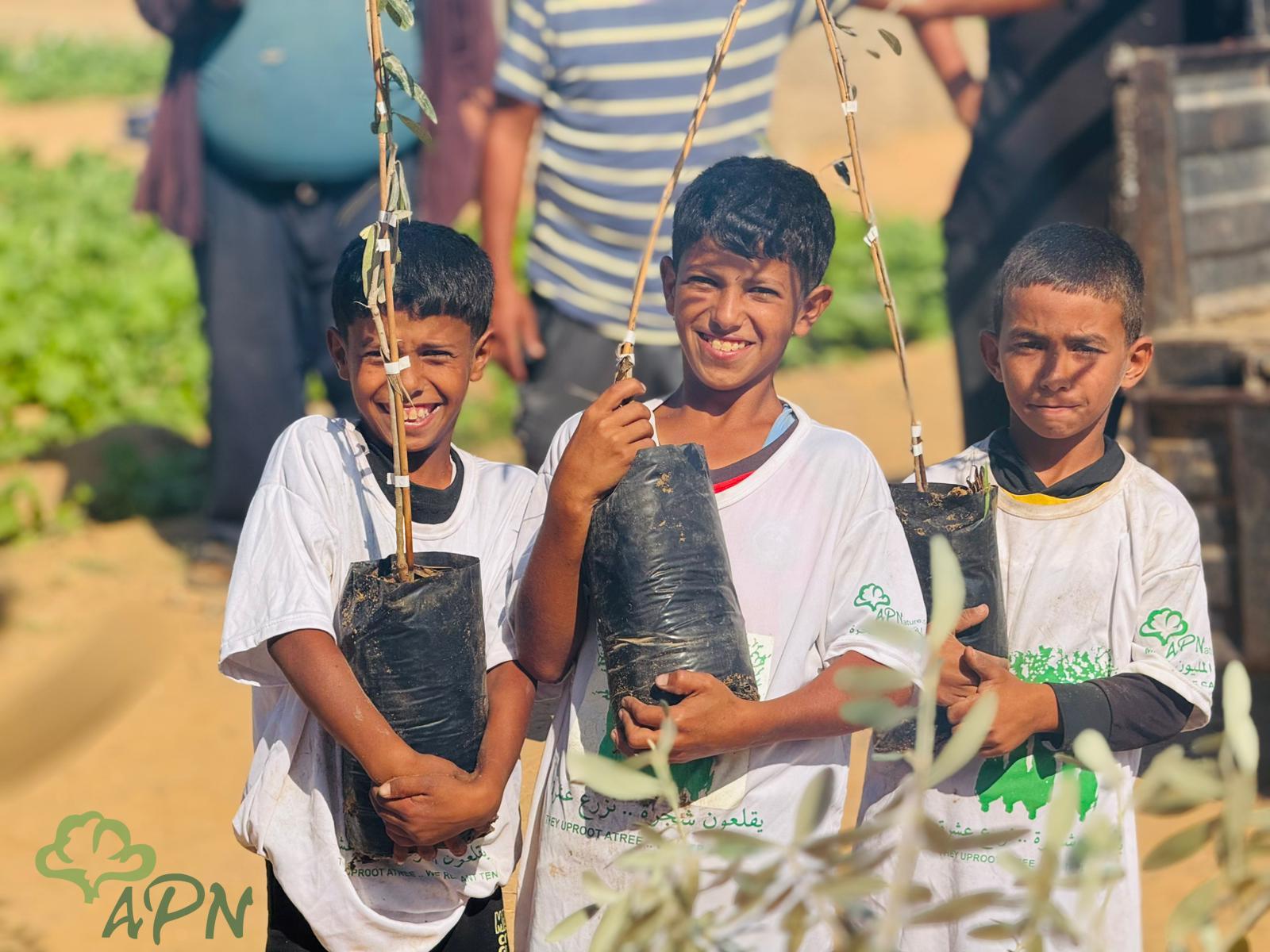
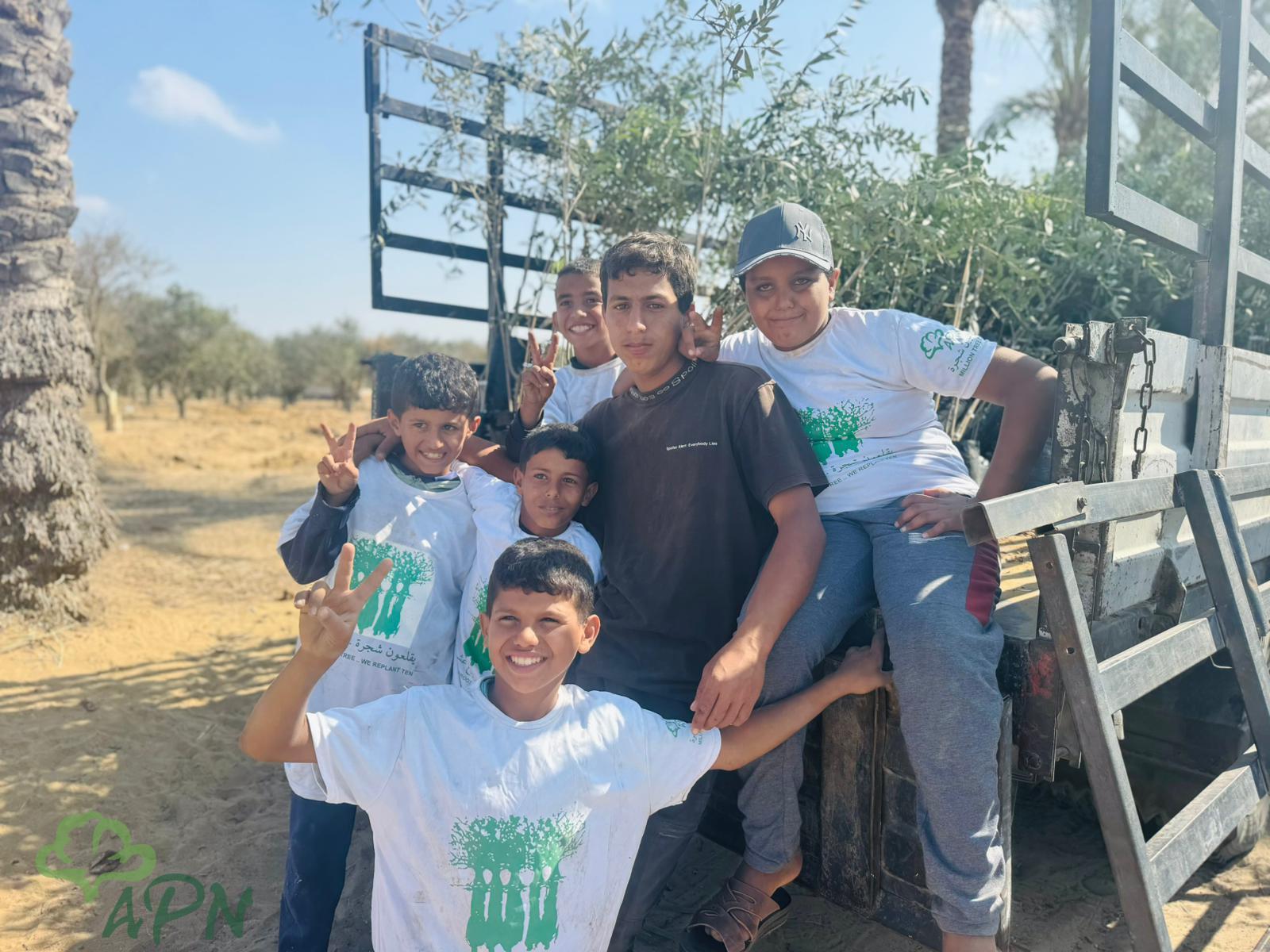
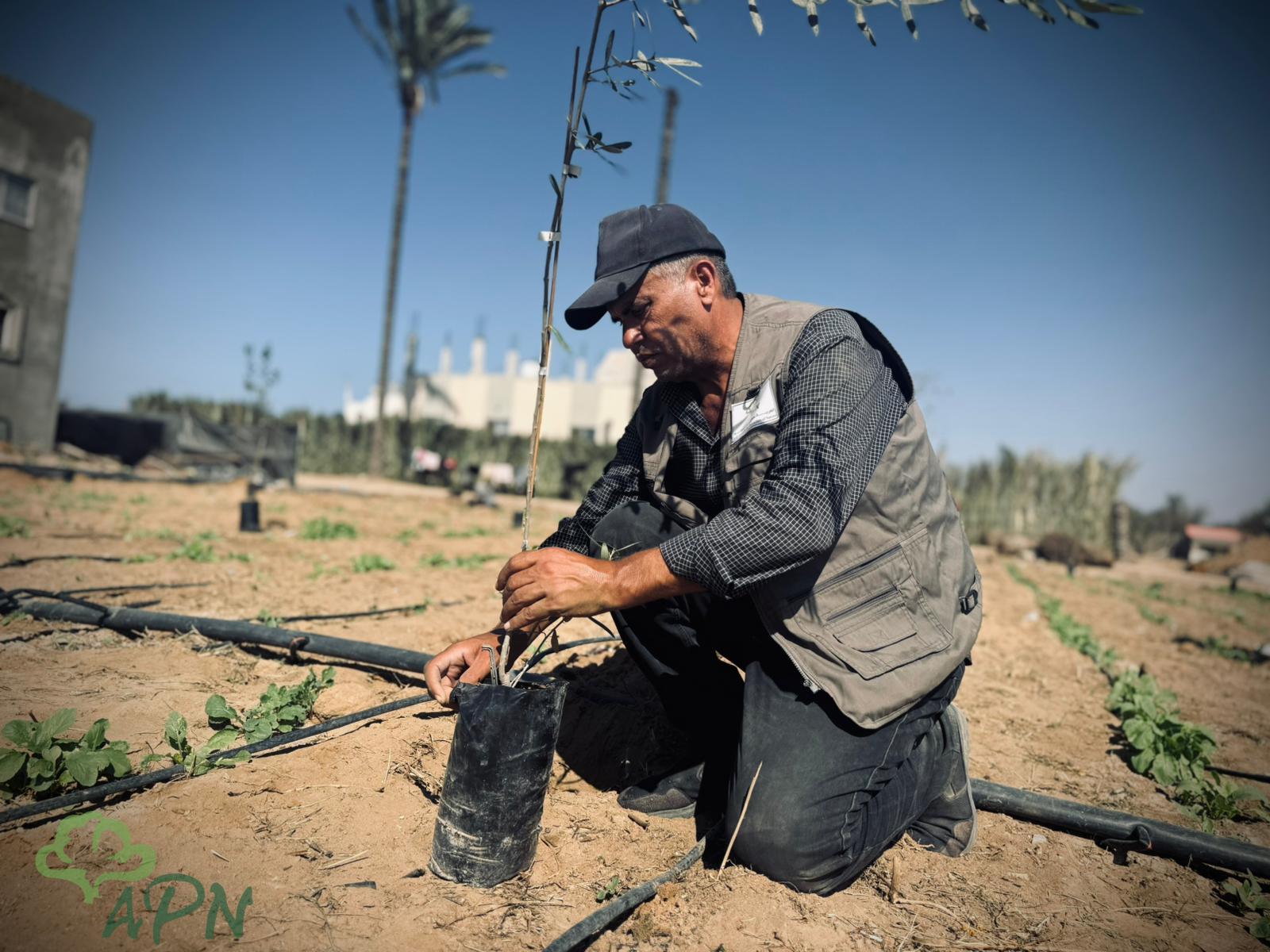
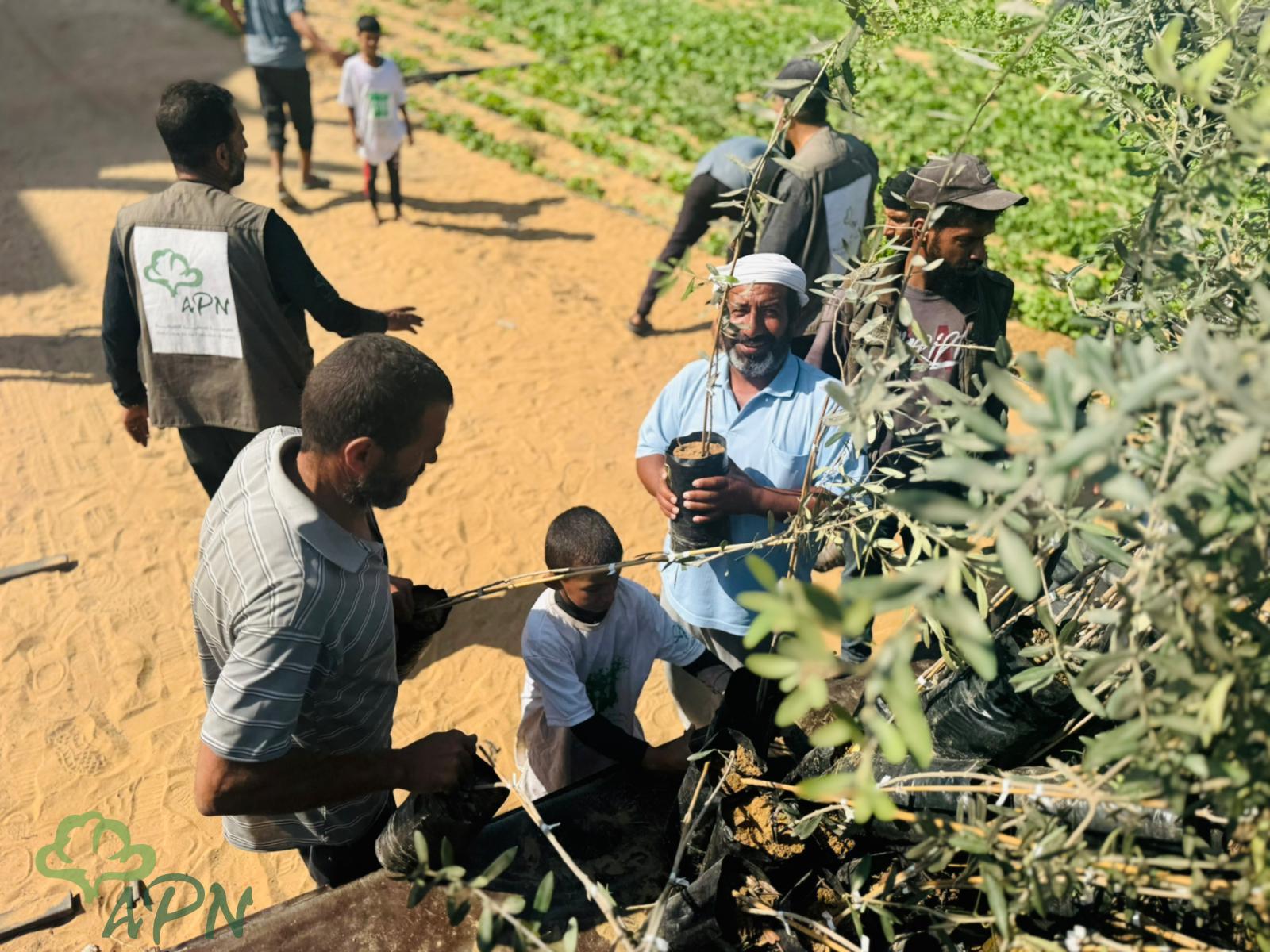
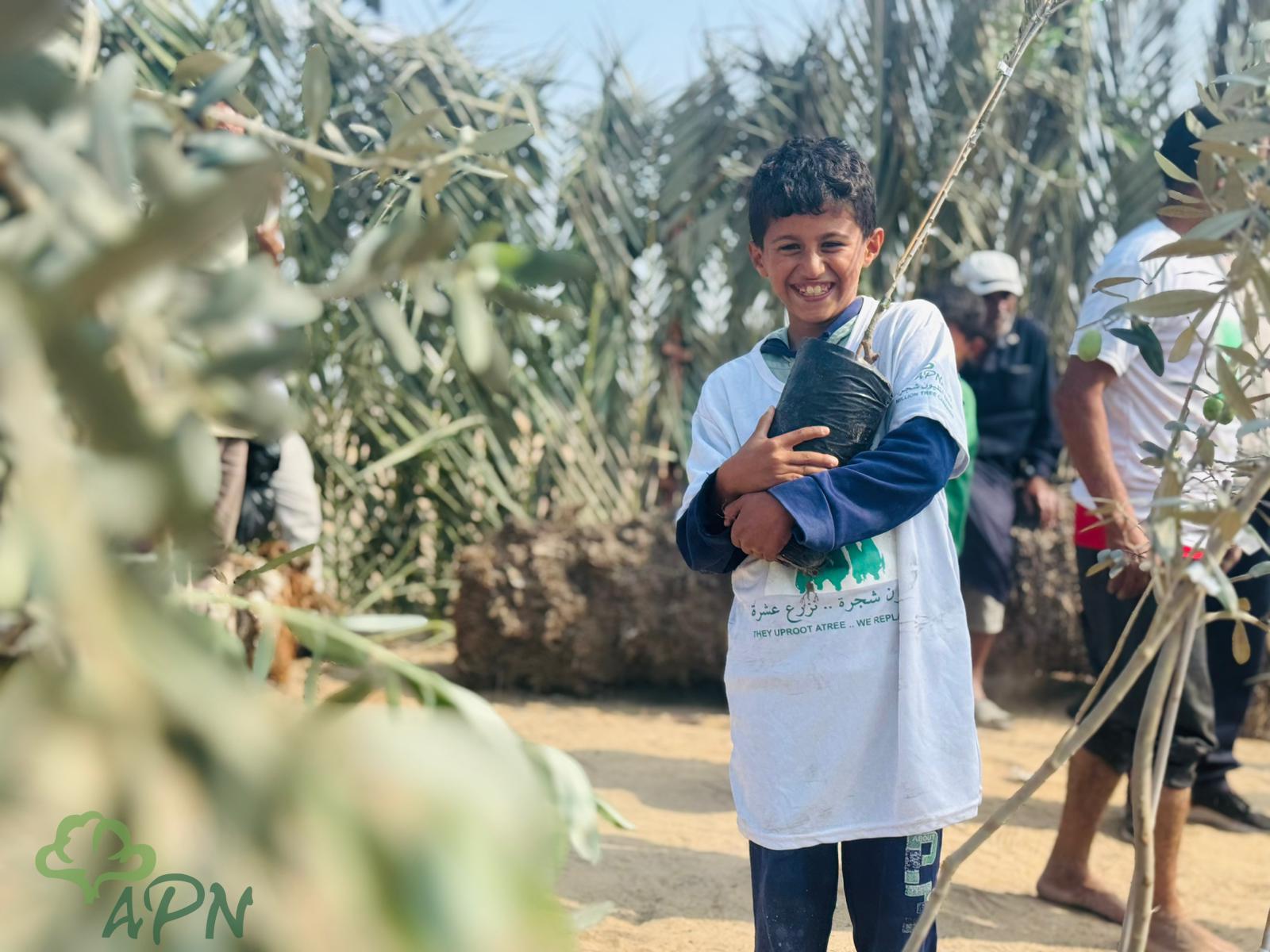
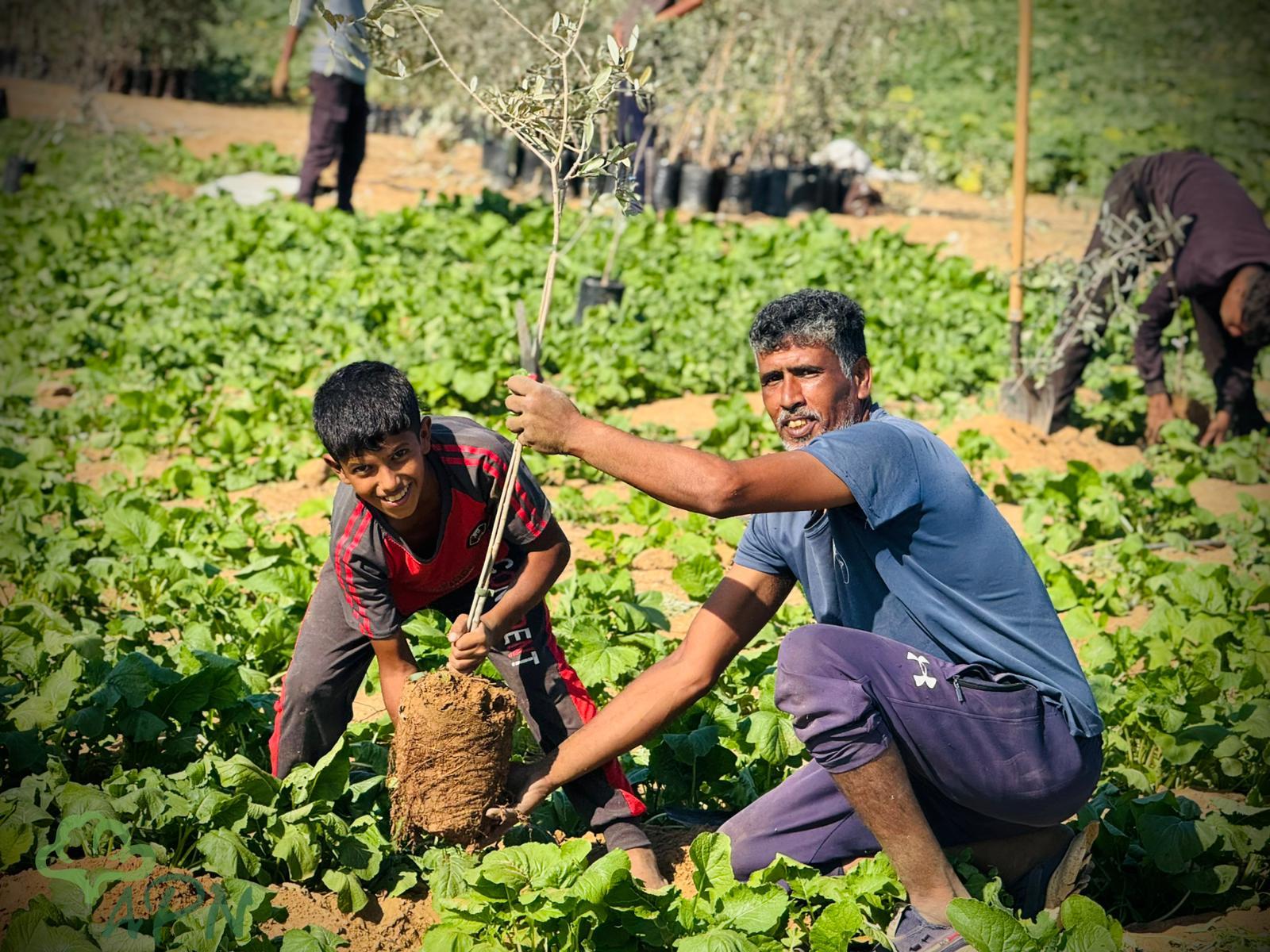
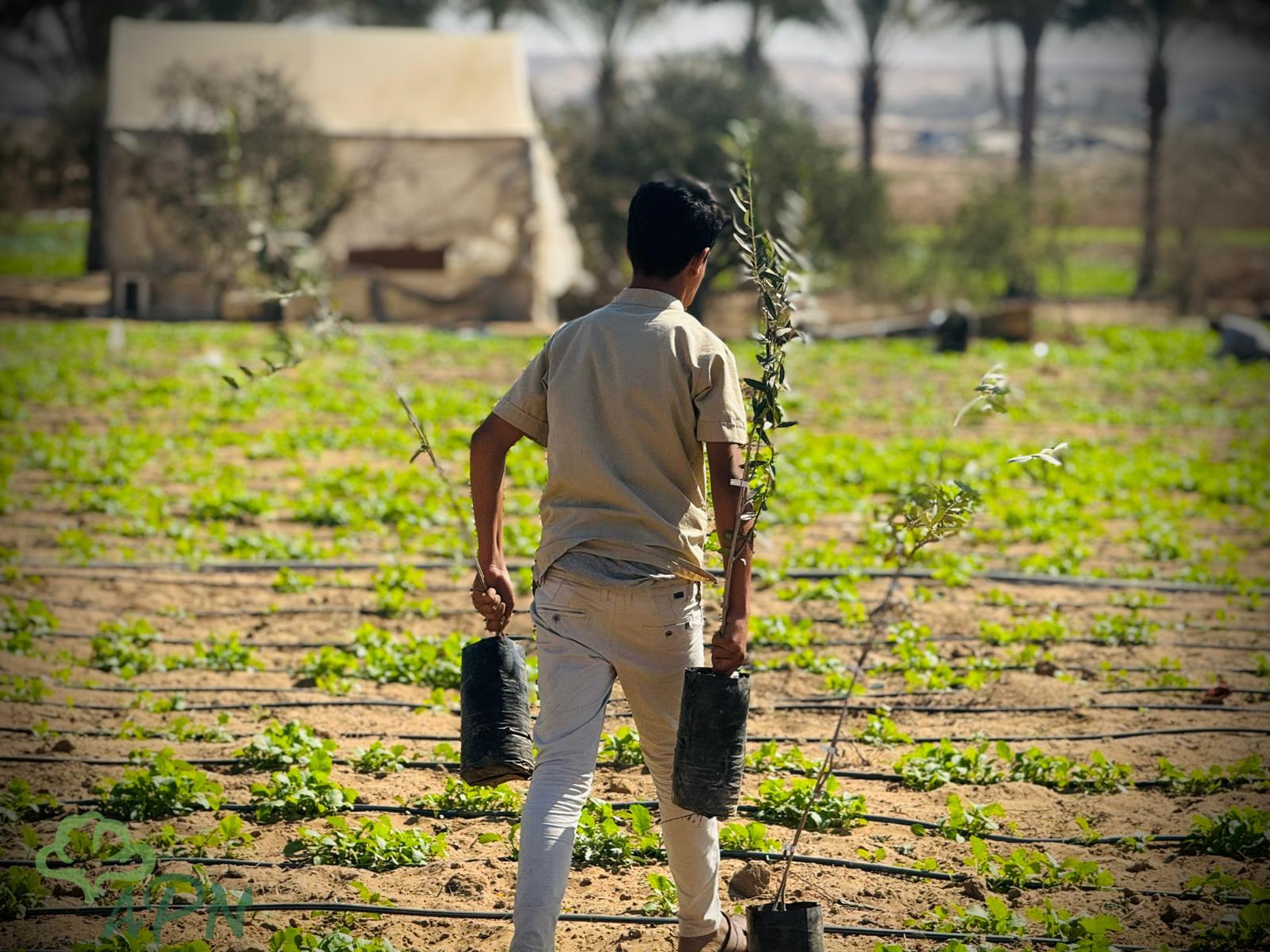
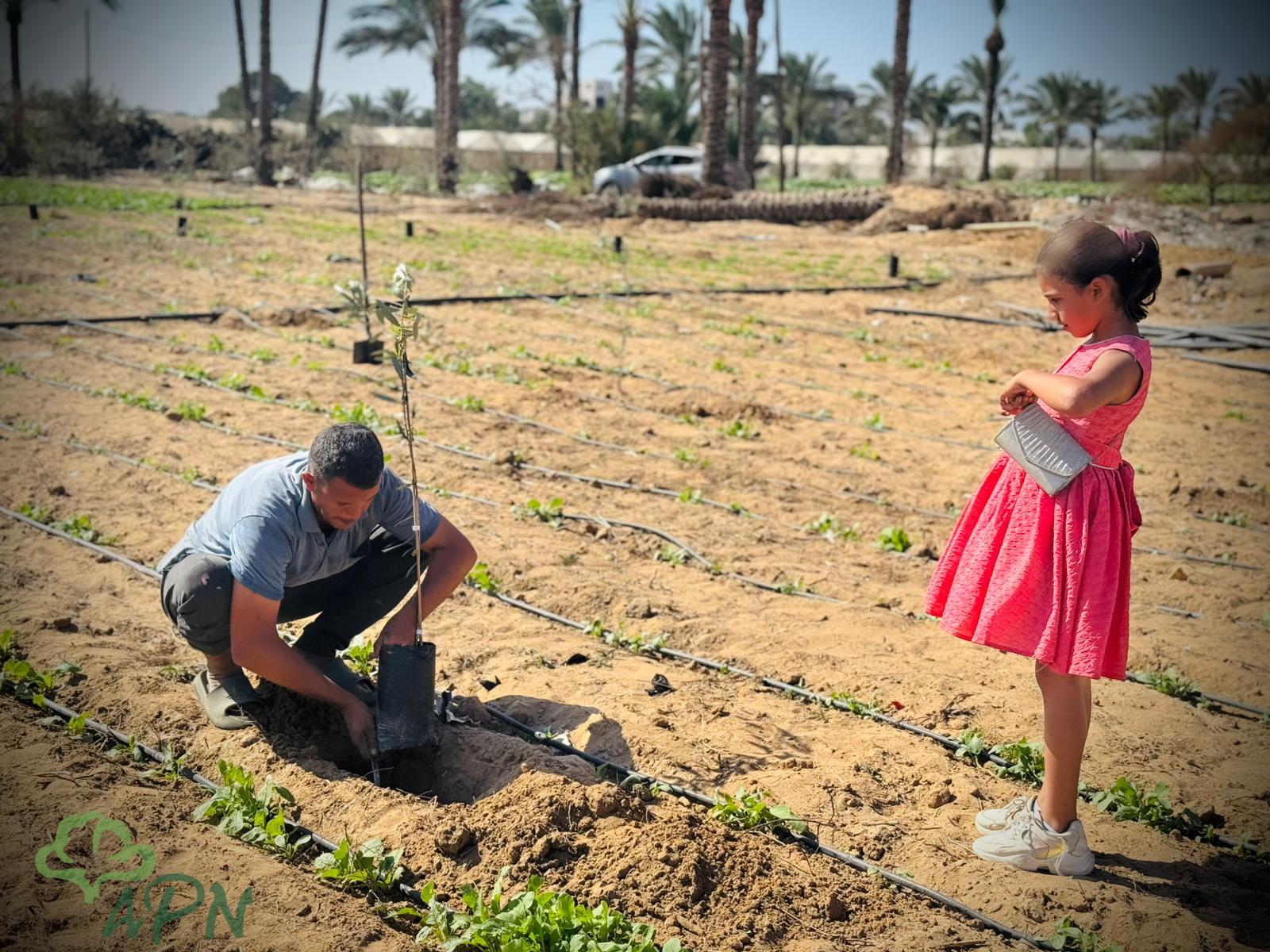
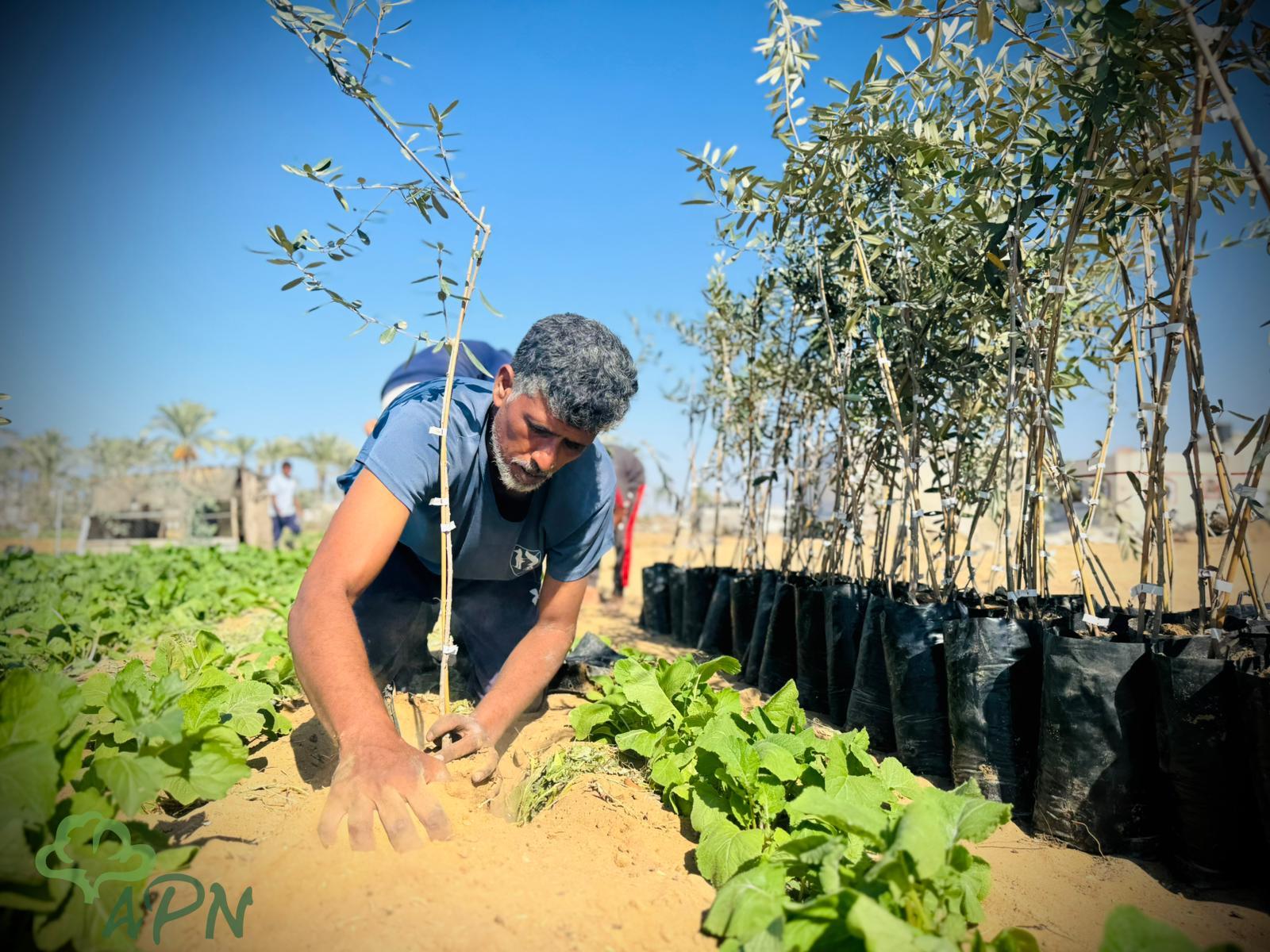
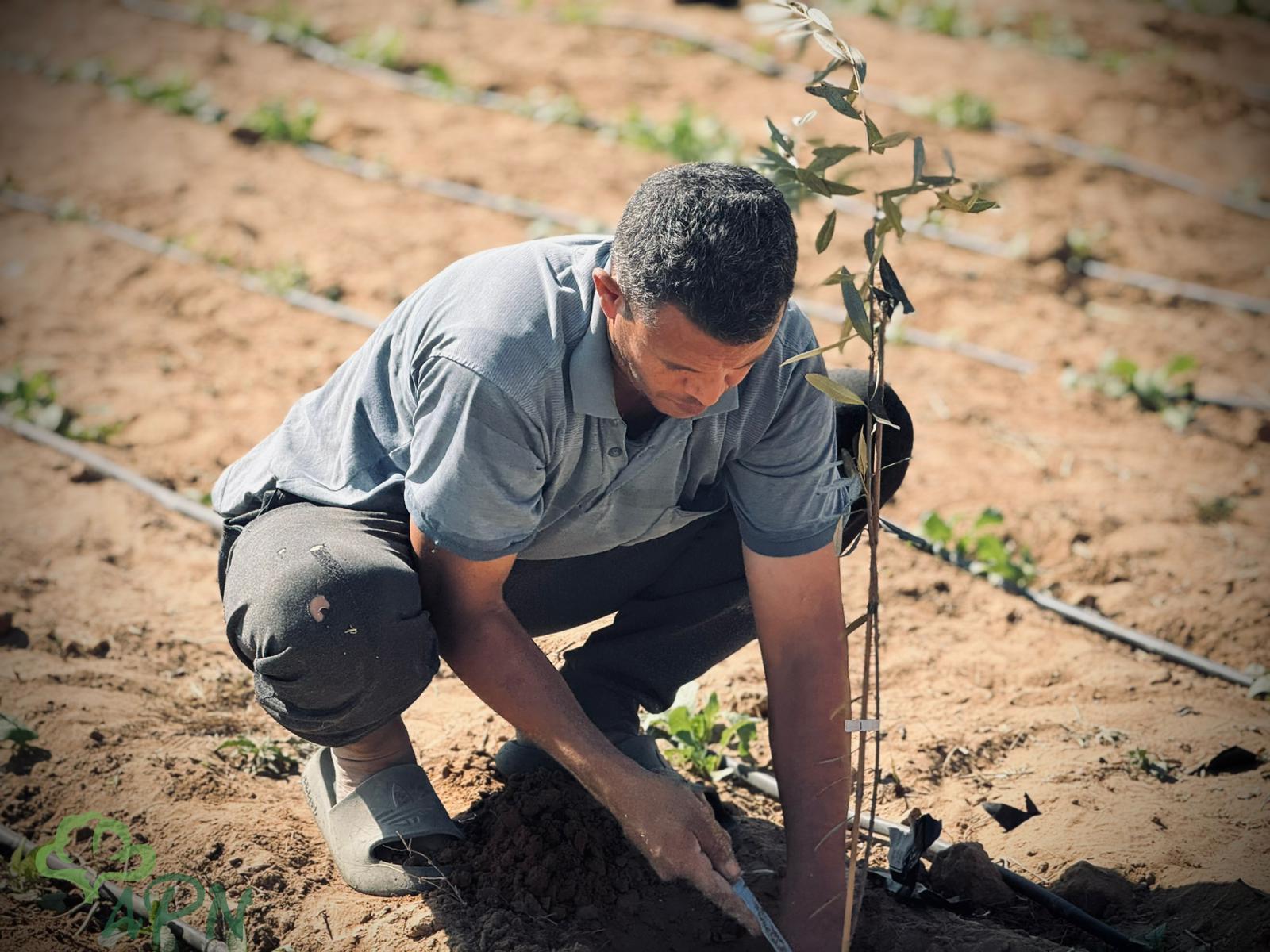
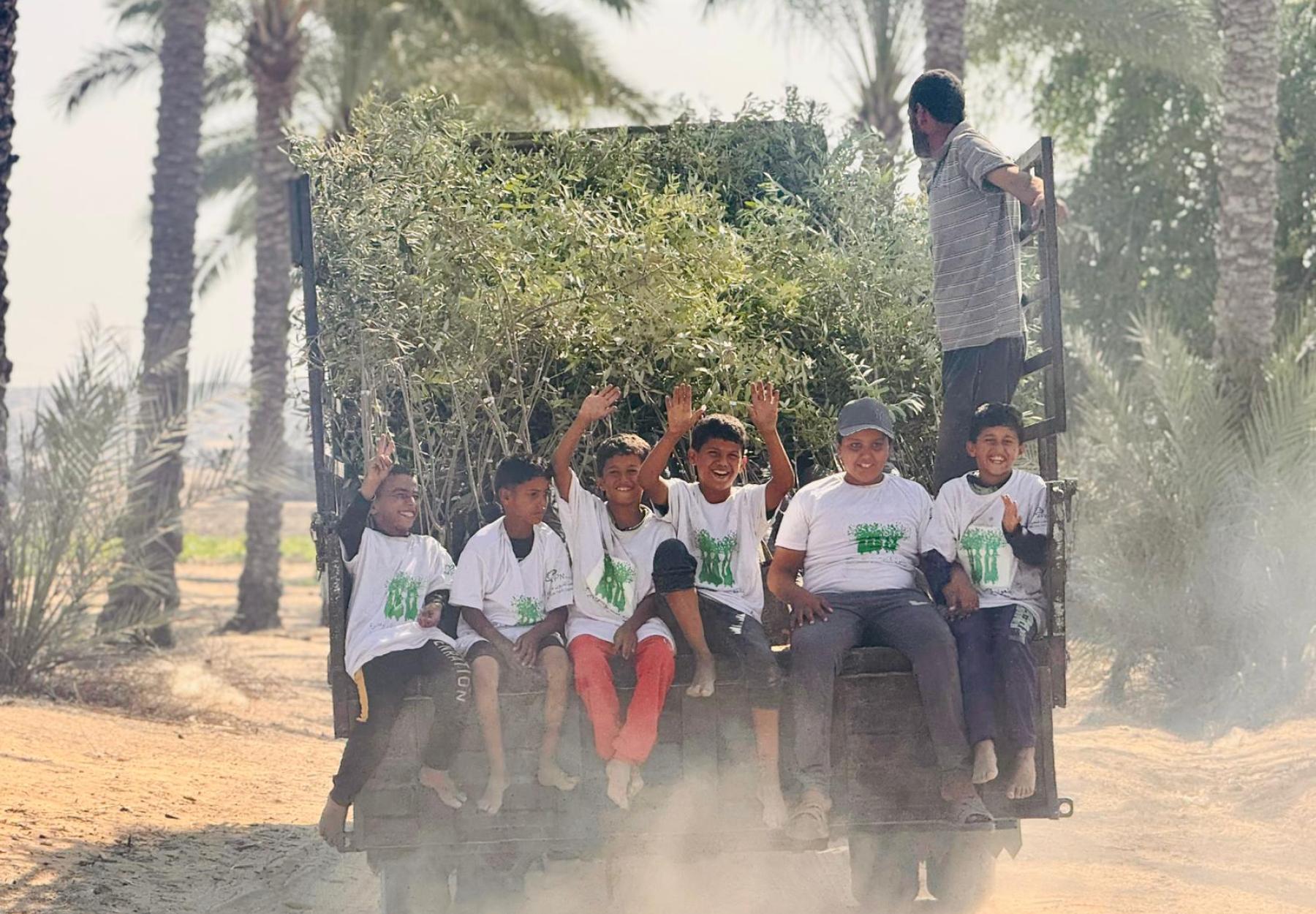
Firm in our conviction that Gaza’s agricultural sector can revive against all odds, APN launched the second phase of its ‘Revive Gaza Farms’ project, aiming to plant 30,000 olive trees and a range of fruit trees across the Gaza Strip. The project works with farmers to cultivate farmland and restore vital agricultural infrastructure amid the ongoing genocide, reaffirming agriculture’s role in life, steadfastness and resistance.
Approximately 3,170 olive trees have been planted over an area of about 71 dunums, distributed across the northern, central, and southern parts of Gaza, benefiting a number of farmers.
This phase targets cultivable land that remains viable and unaffected by the remnants of shelling, as part of a broader strategy to root farmers on their land and strengthen their capacity for local food production.
Since 7 October 2023, the Israeli occupation has destroyed more than 4 million fruit trees, including 1.62 million olive trees, over 100,000 date palms, and thousands of other fruit-bearing trees. This ecocidal onslaught and policy of forced starvation operates to create an unprecedented environmental and agricultural crisis so as to eliminate the potential for the recovery of agricultural life and livelihood in Gaza. APN continues to stand alongside farmers in green resistance.
APN Chairperson Razan Zuayter highlighted the project’s impact since its launch in March 2024:
"We have cultivated 1,341 dunums, benefiting 790 farmers who support over 12,500 people. Our work has supplied more than 6 million kilograms of vegetables to Gaza’s markets while directly supporting farmers’ livelihoods”.
Zuayter added that the project has distributed 2.29 million seedlings and 2,939 kilograms of seeds, rehabilitated three water wells, drilled a new agricultural well, established 17 greenhouses, and distributed 36 fishing nets and 28 home poultry units, allowing families to restore local food production amid the occupation’s starvation tactics.
For APN, replanting trees in Gaza is not just an agricultural intiave — it is a deliberate act of resistance against ecocide and genocide. Each seed sown carries an assertion of Palestinian agency to reclaim their land, safeguard ecologies, and rebuild livelihoods that endure the unabated violence of the occupation, but also forge a path beyond it.