APN | Cairo
7 – 8 July 2025
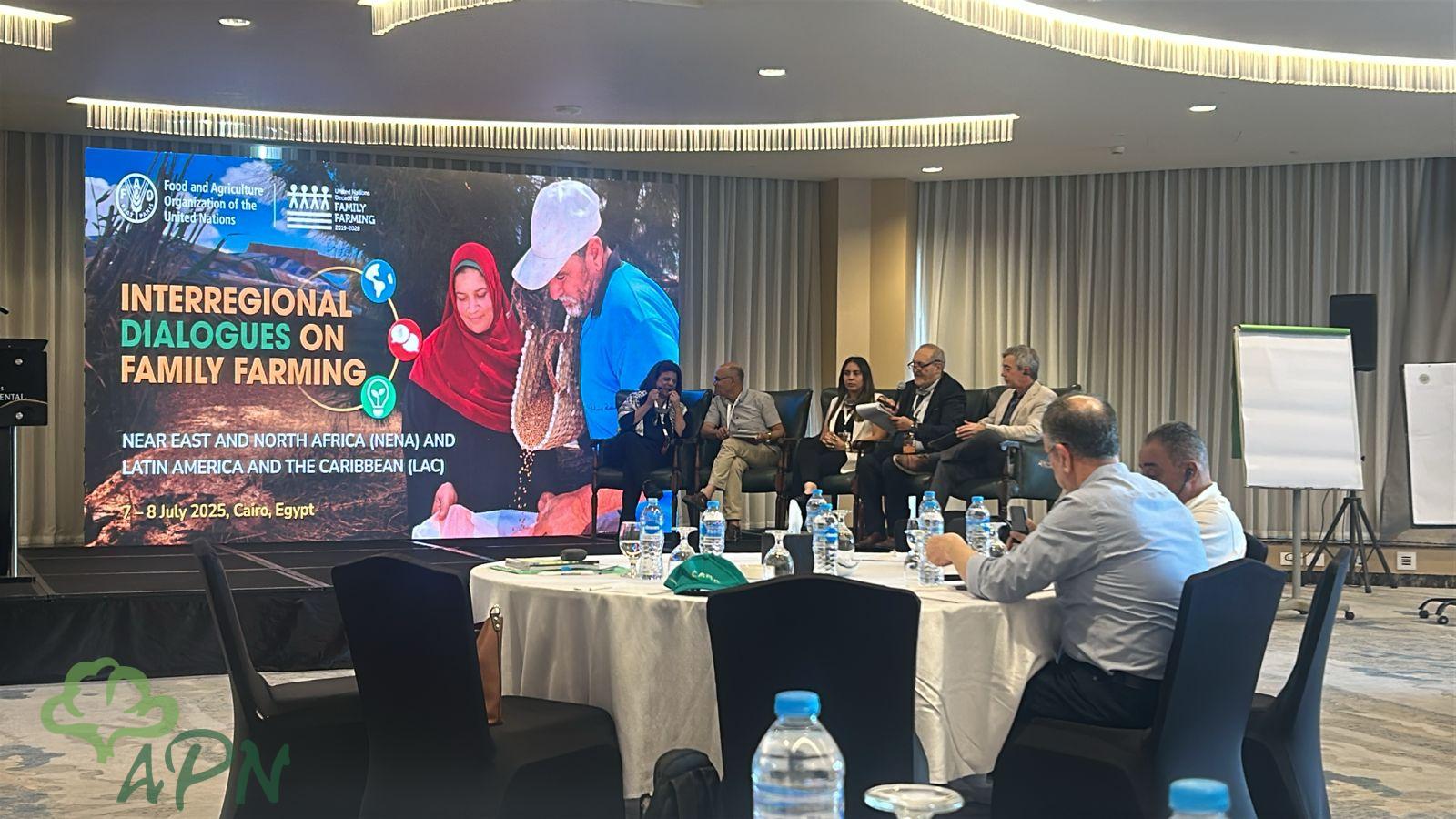
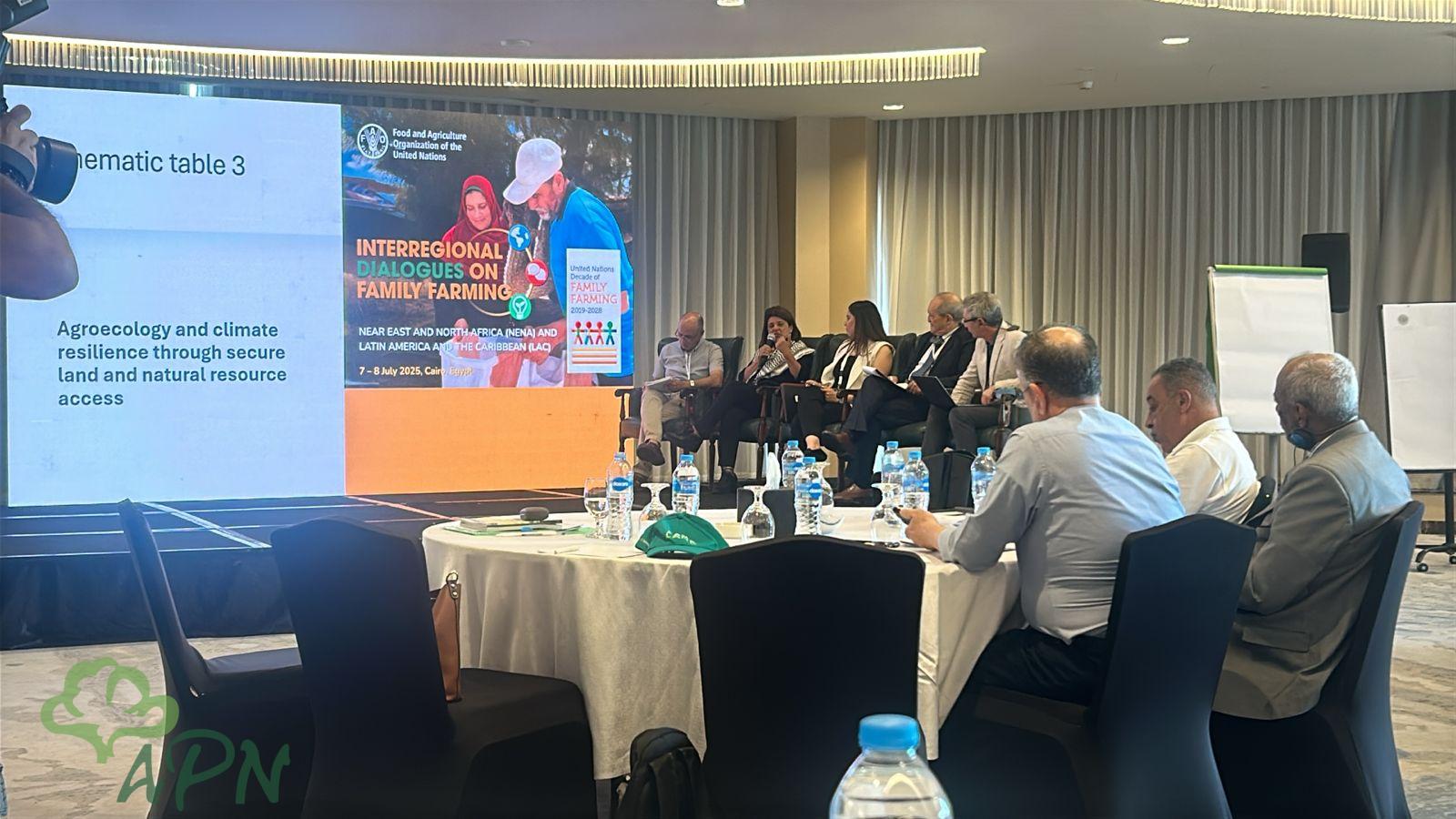
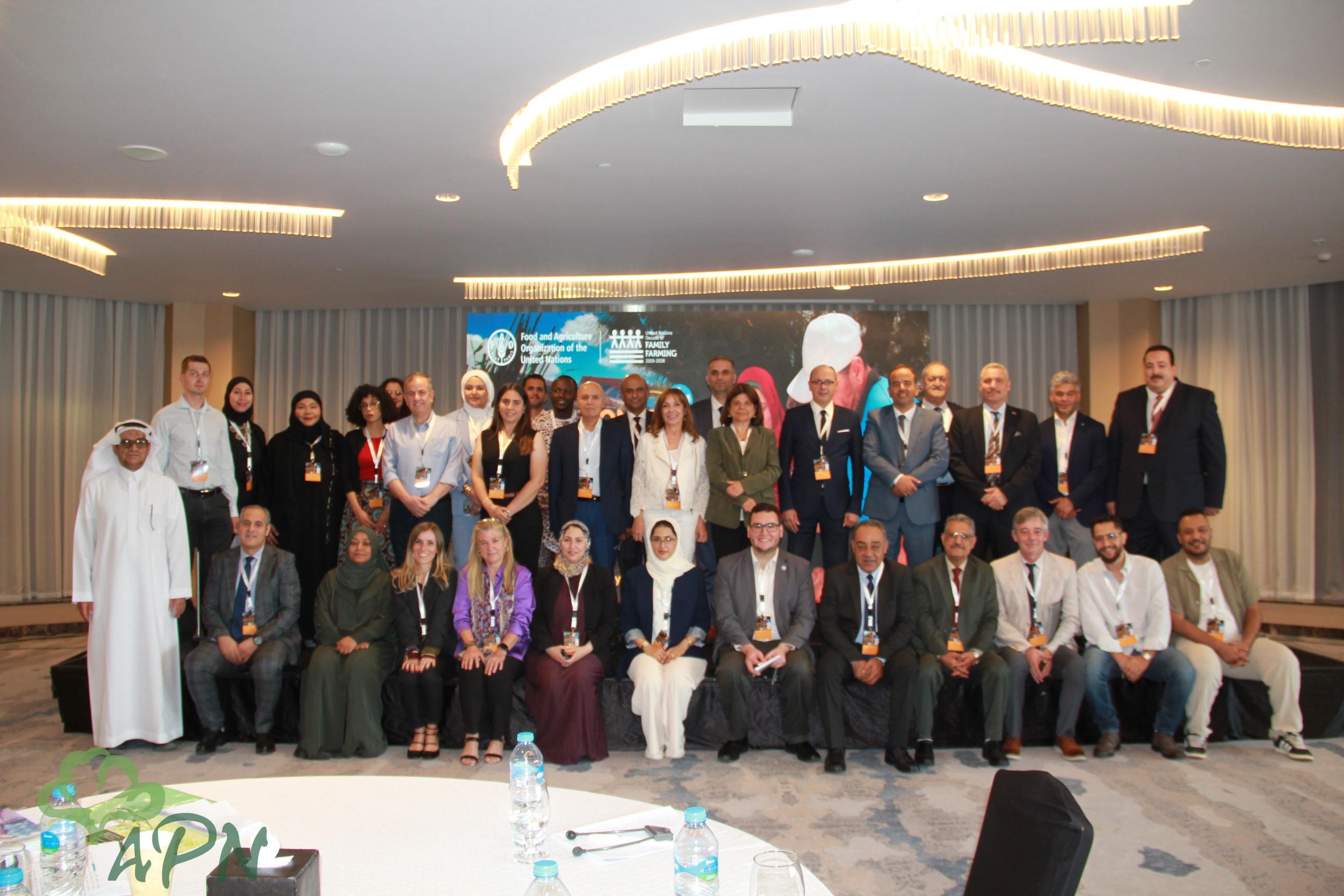
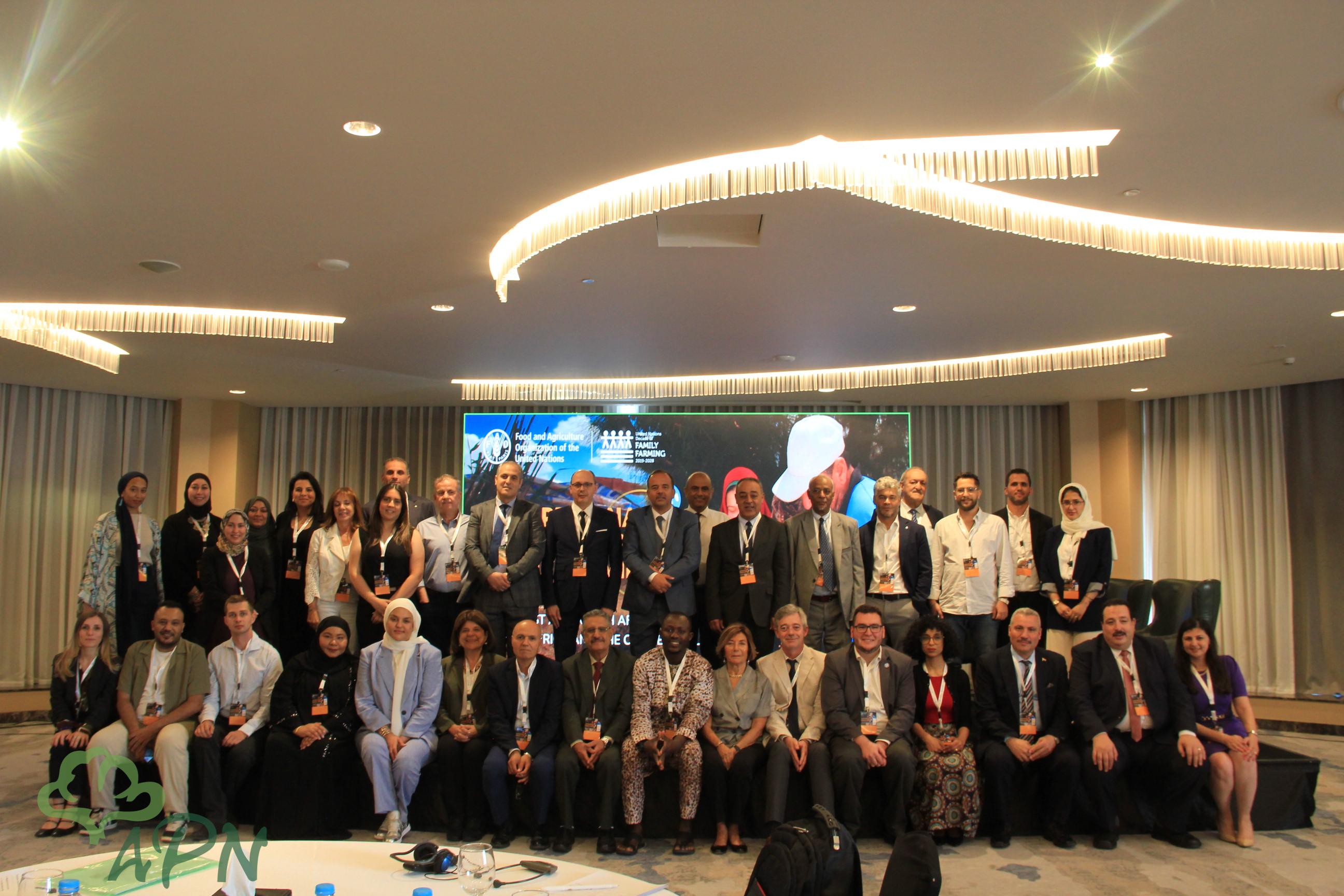
The Food and Agriculture Organization of the United Nations (FAO) successfully concluded the Interregional Dialogue on Family Farming, bringing together participants from Latin America and the Caribbean and the Near East and North Africa (NENA). The event took place over two days, 7–8 July 2025, in Cairo, and served as a platform for sharing experiences, partnership-building, and policy dialogue aimed at strengthening family farming systems across the participating regions.
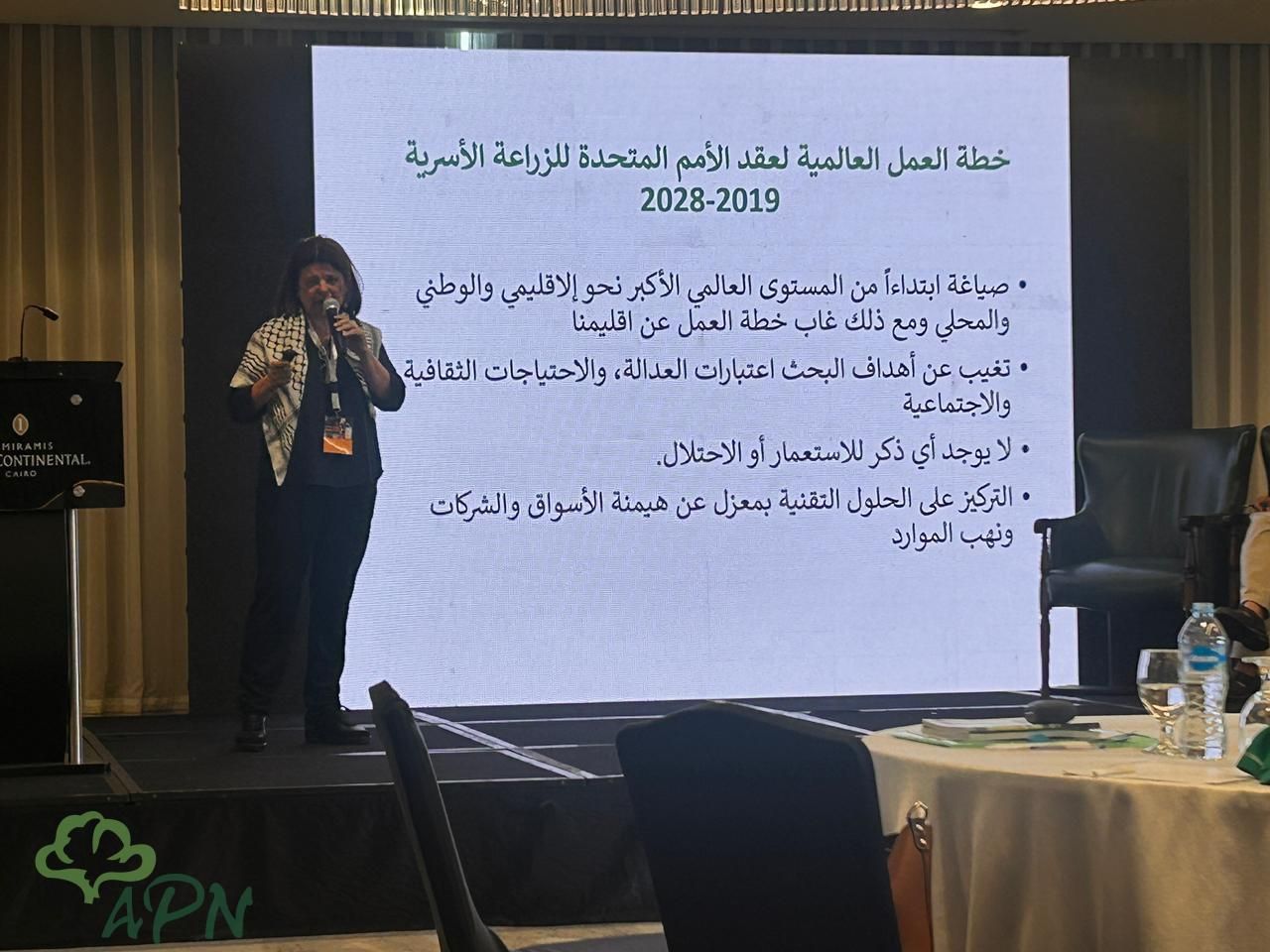
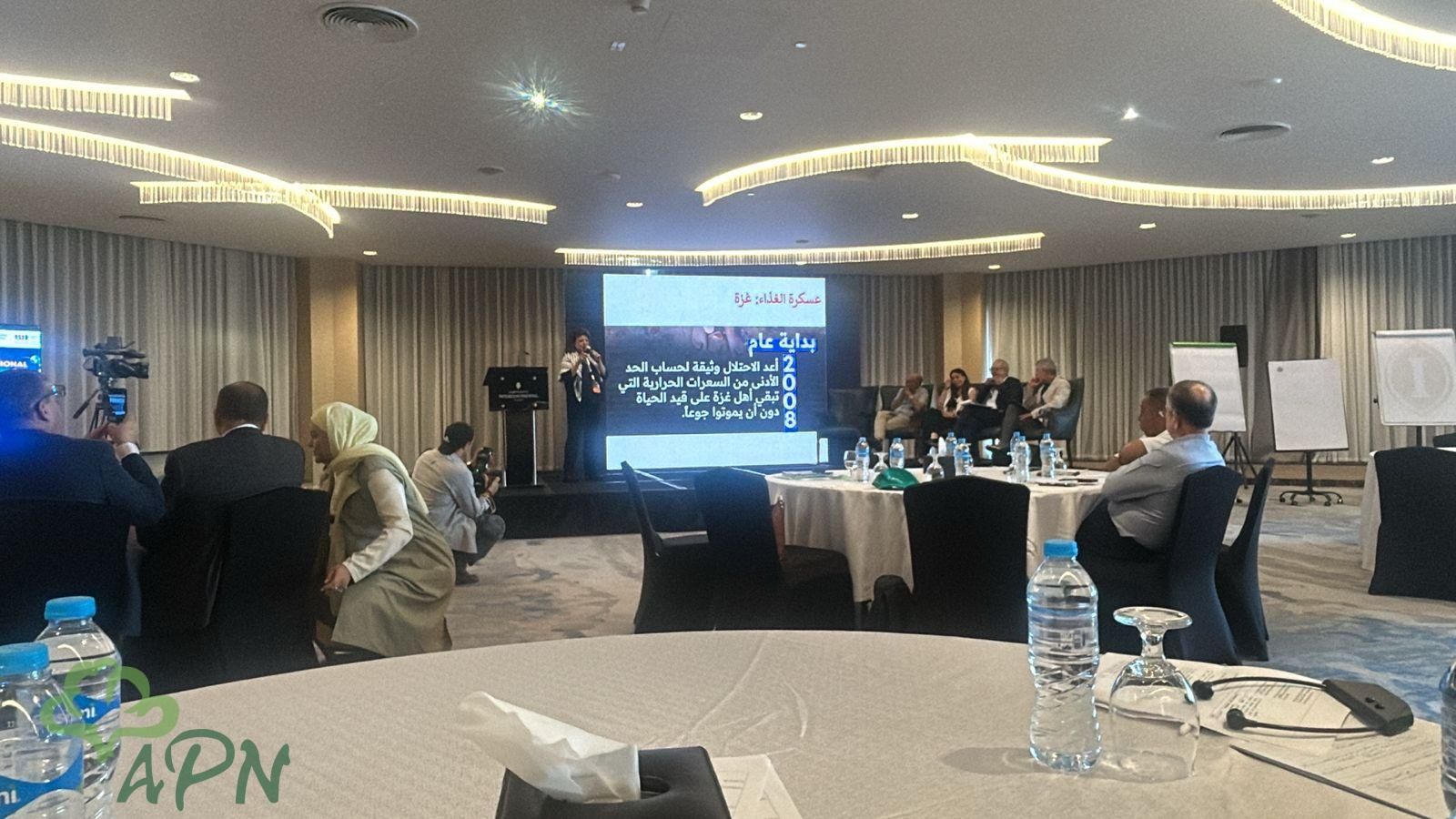
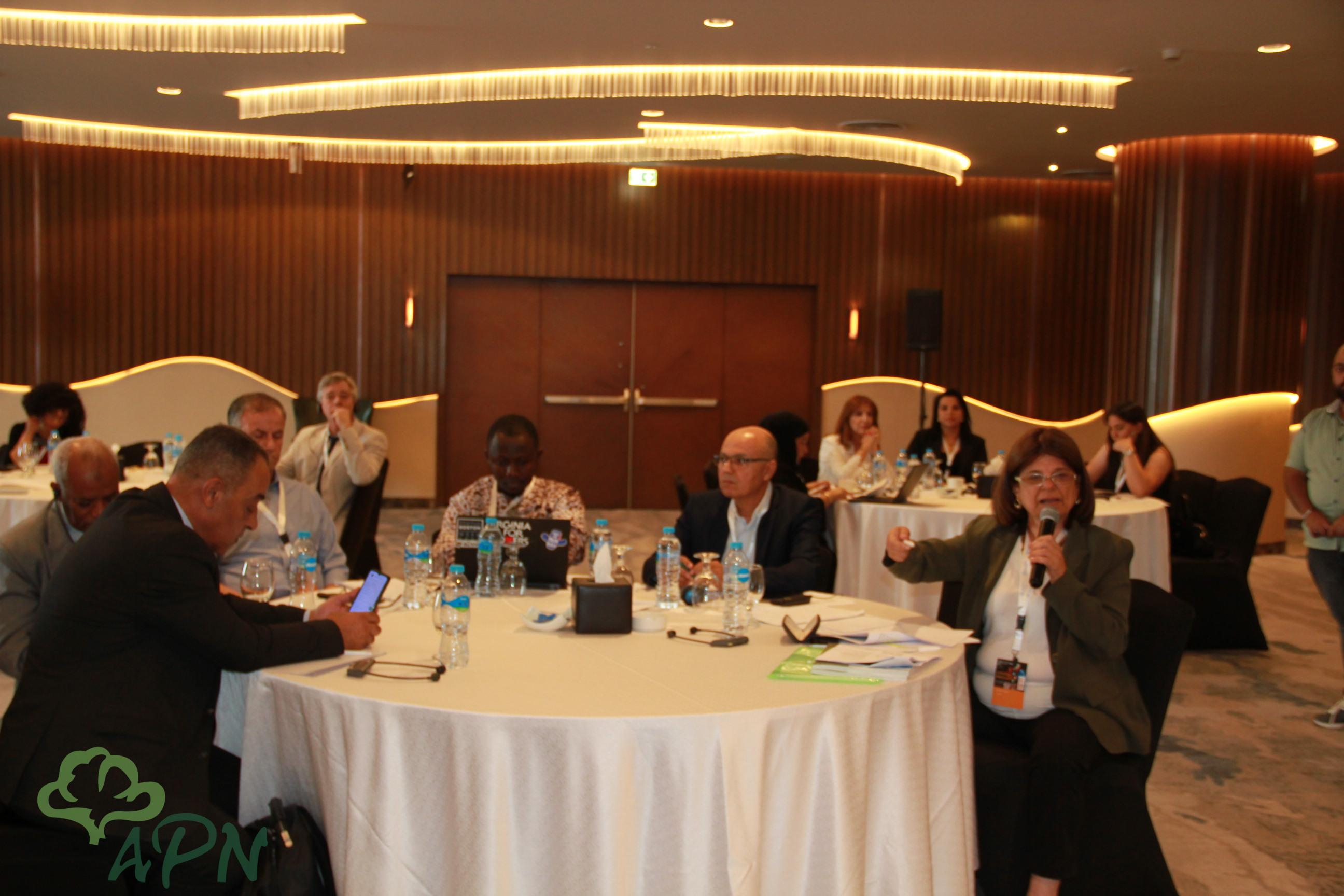
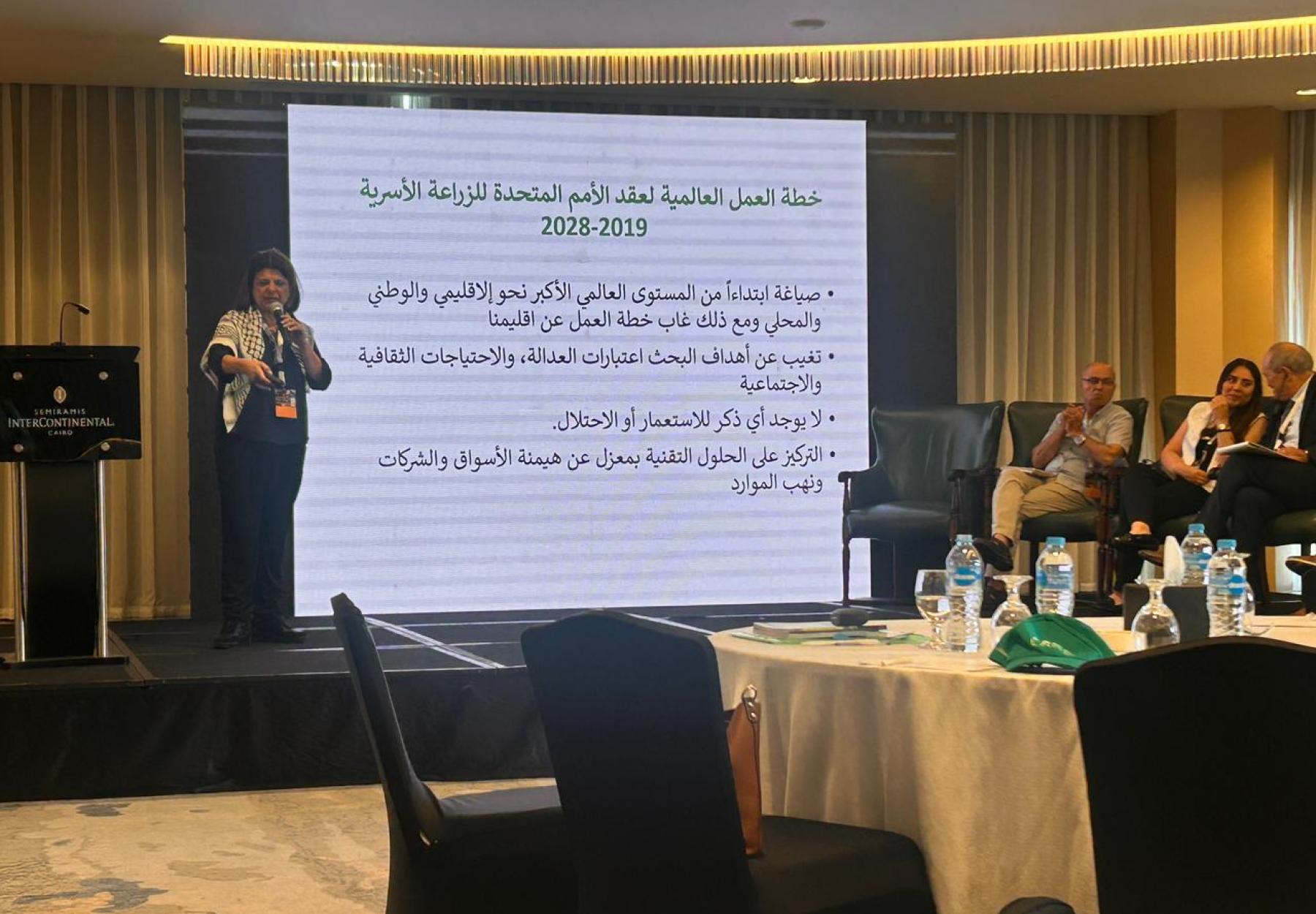
Razan Zuayter, APN Chairperson and founder of the Arab Network for Food Sovereignty (ANFS), gave a compelling presentation titled “The Struggle for Food Sovereignty in the Arab Region”. Zuayter shed light on the structural causes that have shaped the Arab world’s position as the largest food-importing region globally. She attributed this crisis to the adoption of neoliberal economic policies by Arab states—policies that have led to a diminishing agricultural land base, the weakening of local food production, and increasing dependence on external markets.
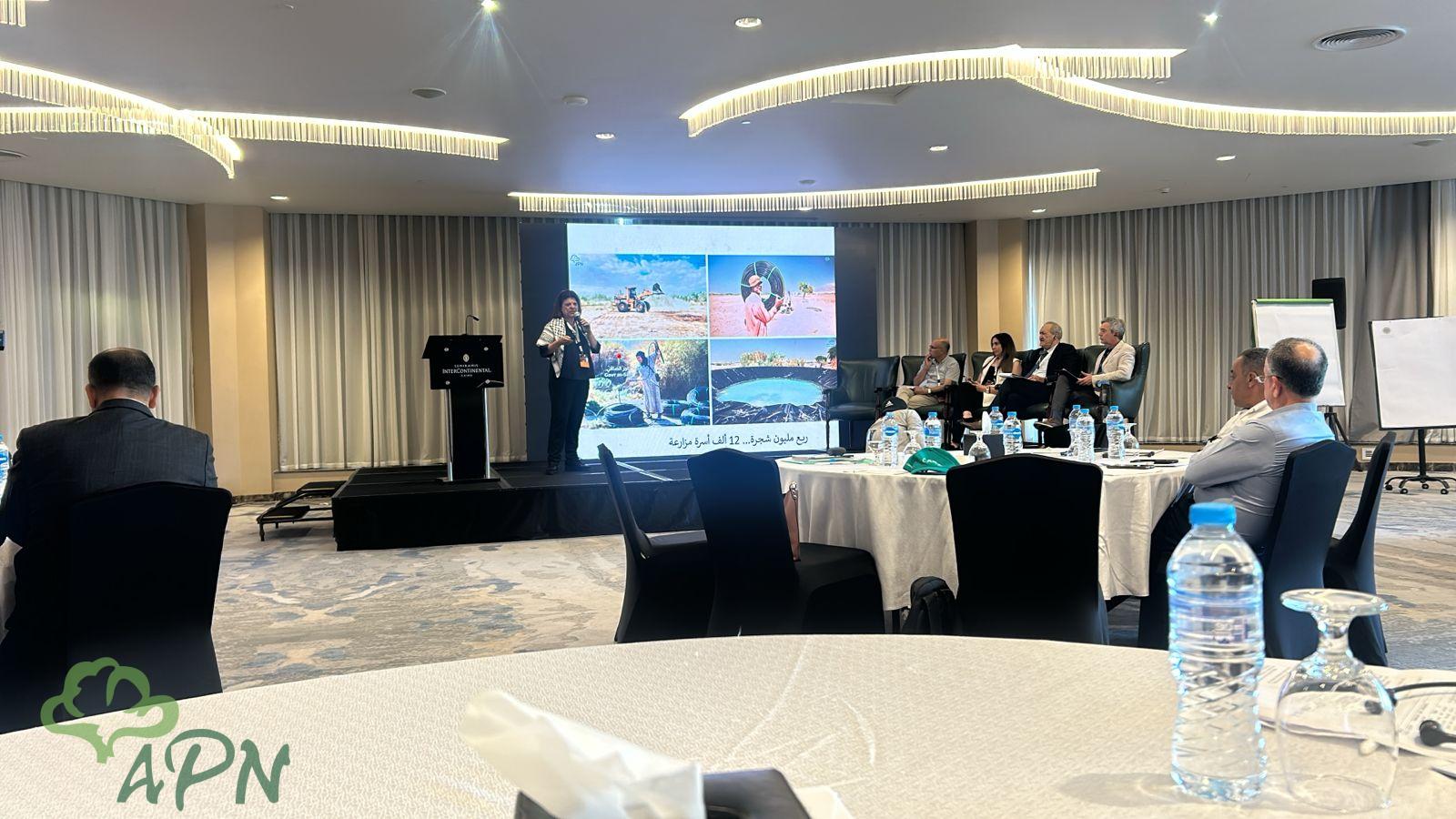
Zuayter went on to highlight some of APN’s most impactful grassroots programs aimed at empowering small-scale farmers. These include the “Green Caravan” in Jordan, the “Million Tree Campaign” in Palestine, and the “Revive Gaza’s Farmland” project. She shared key milestones achieved through these programmes, particularly in strengthening the steadfastness of rural communities and supporting local food production under conditions of colonial occupation and conflict.
In her policy recommendations, Zuayter emphasised the urgent need to strengthen local food systems by enhancing farmers’ access to agricultural land, inputs, infrastructure, and services, and by reducing food loss across the value chain. She further underscored the importance of organising farmers into local cooperatives and associations through their municipalities, enabling them to better represent their interests and access support.
A central theme of Zuayter’s message was the significance of inclusive policymaking. Here, she called for the active participation of farmers in the development of national, regional, and international food and agricultural strategies, and called for the redressal of the root causes of food insecurity—including armed conflict, colonial and foreign occupation, and the asymmetric trade relations enforced through the global economic system.
Zuayter proposed the establishment of an Arab fund to support family farming, alongside strengthened South-South cooperation and Arab agricultural integration. She also called for capacity building among representatives of family farmers to facilitate their effective engagement in policymaking spaces. In this context, she pointed to the Arab Network for Food Sovereignty as a key unifying platform for advocacy and coordination across the region.
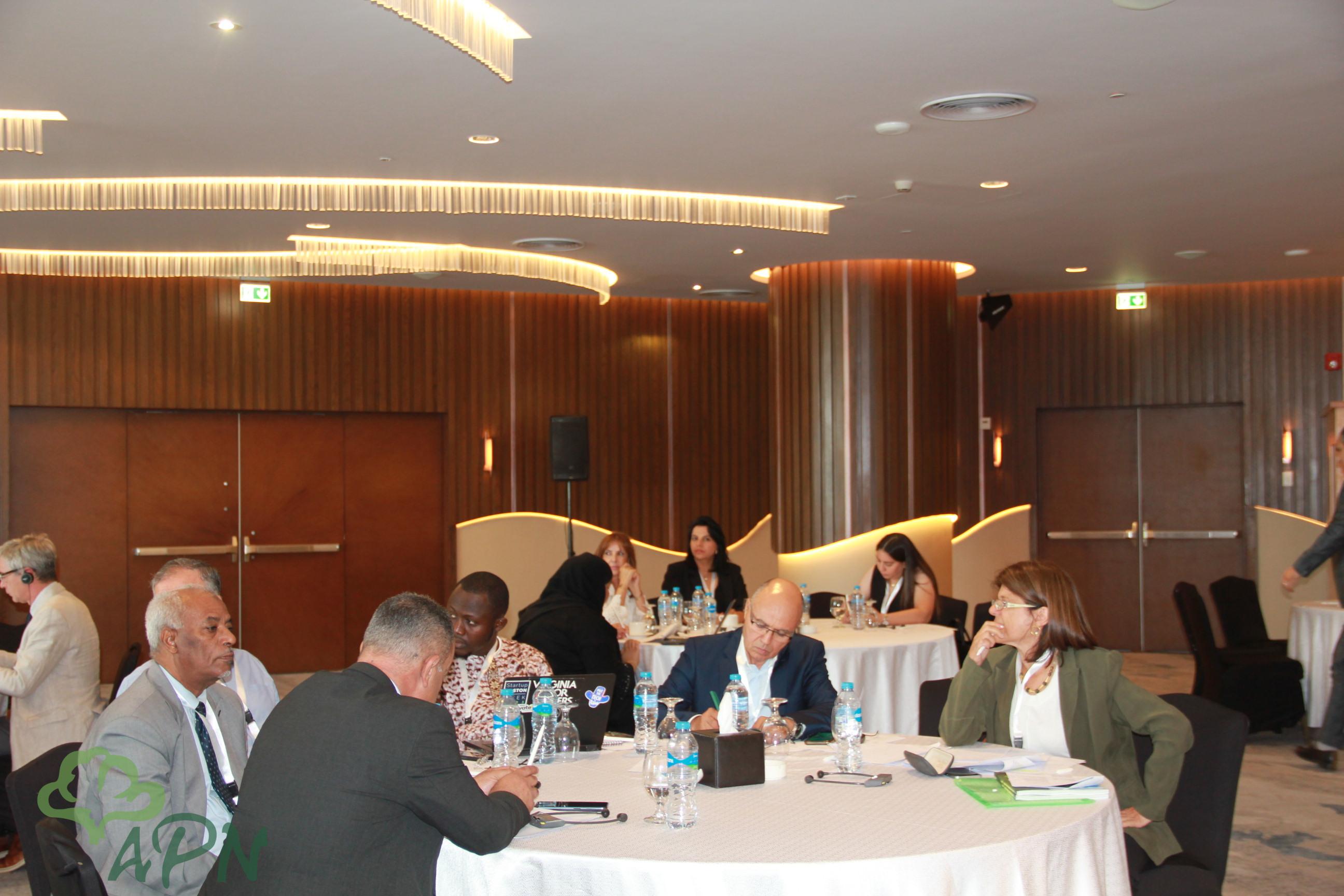
The event drew participation from a wide range of stakeholders, including government officials, farmer organisations, researchers, youth leaders, and development partners. Discussions centered on five thematic areas:
- Digital technologies and inclusive business models
- Access to markets
- Agroecological and climate-resilient farming practices
- Access to credit and financial services
- Land tenure and natural resource rights