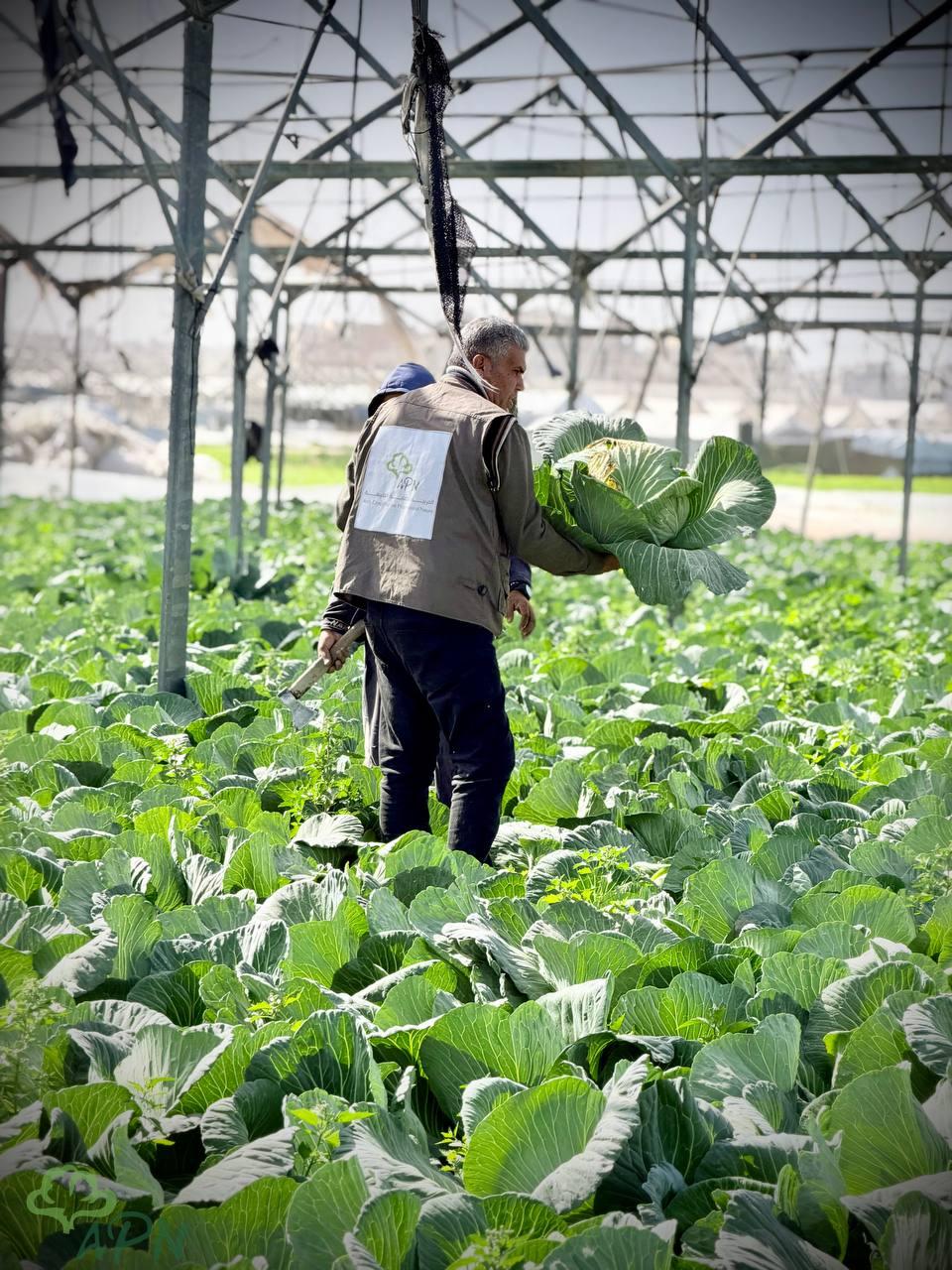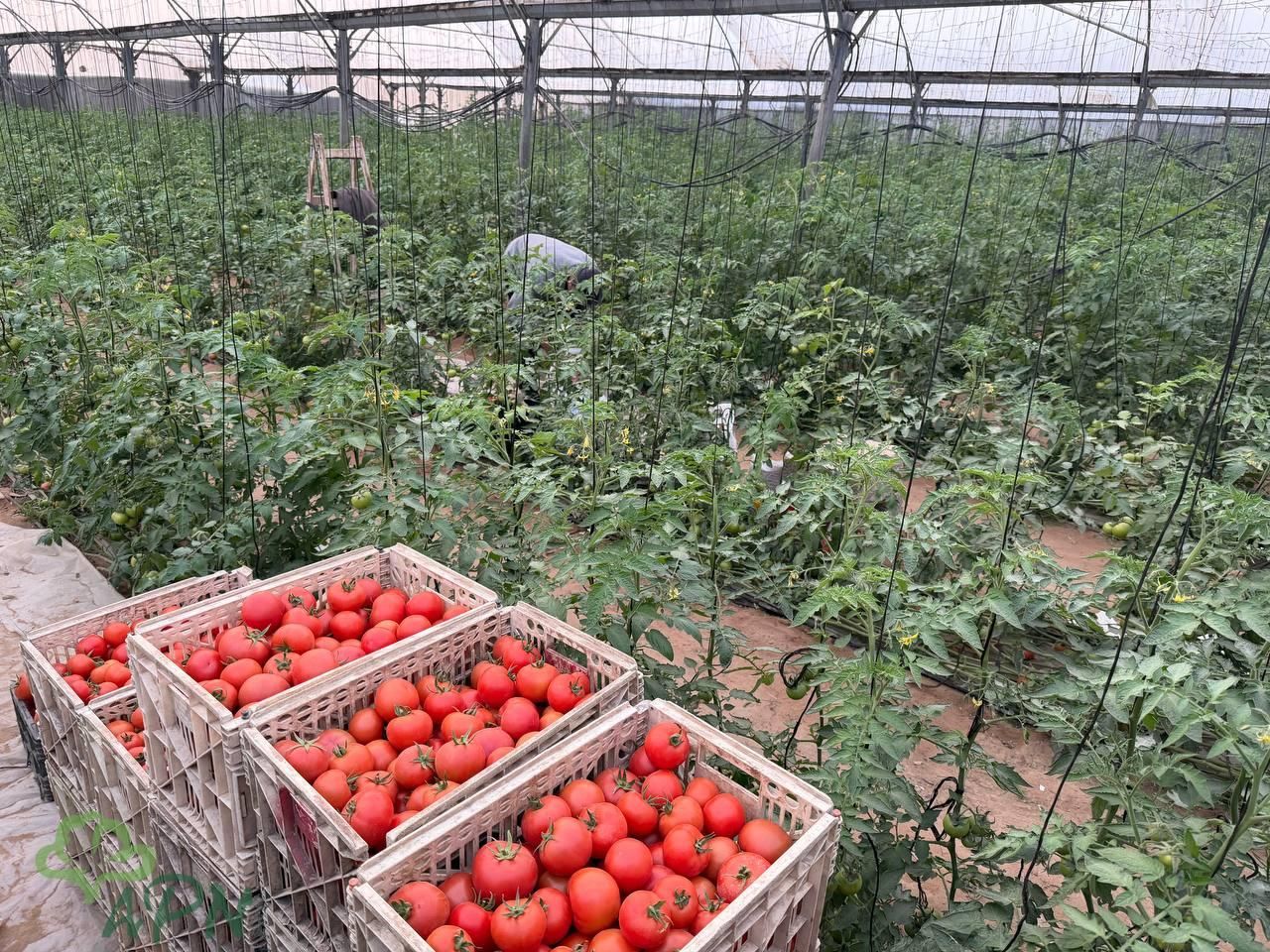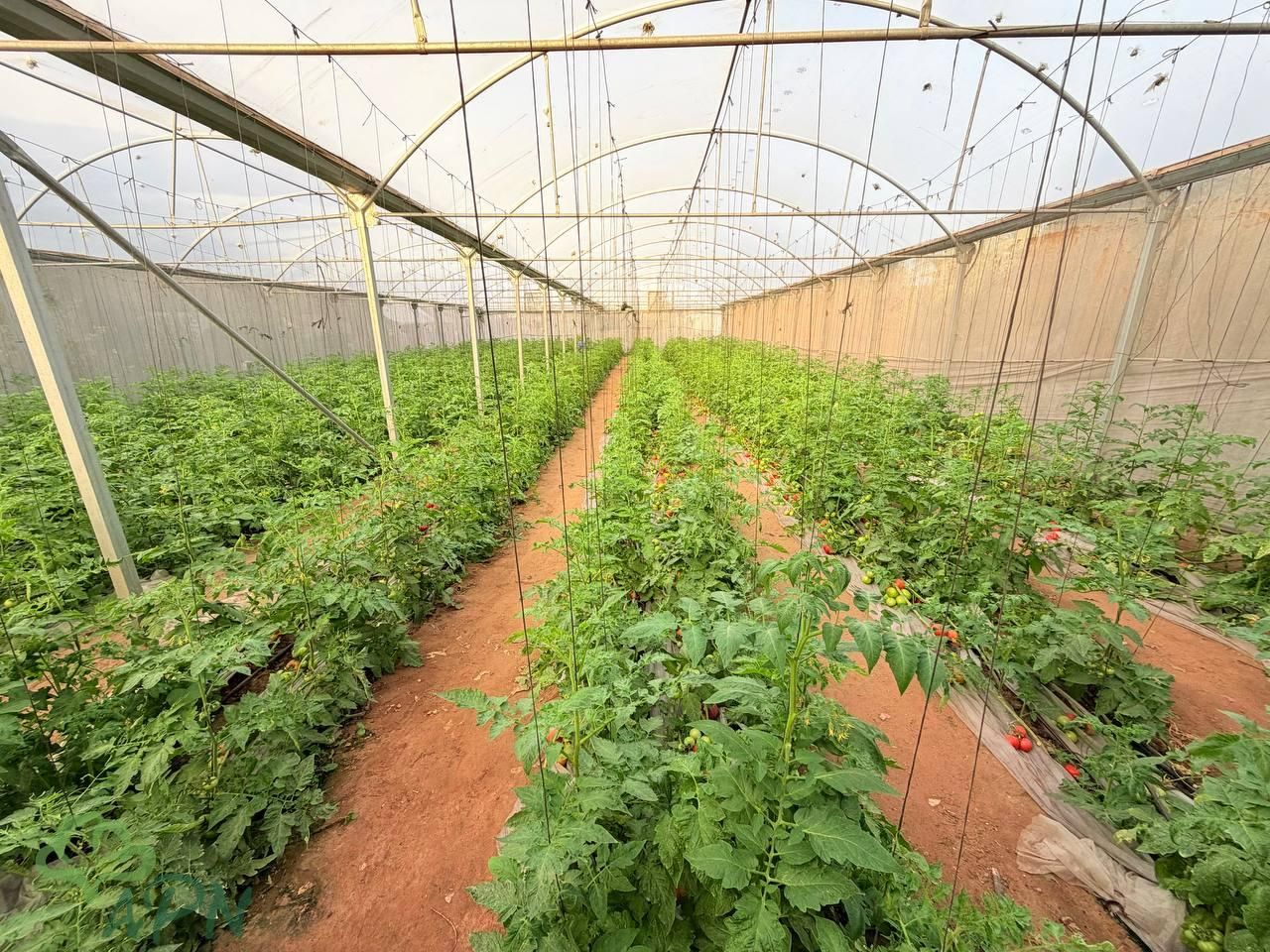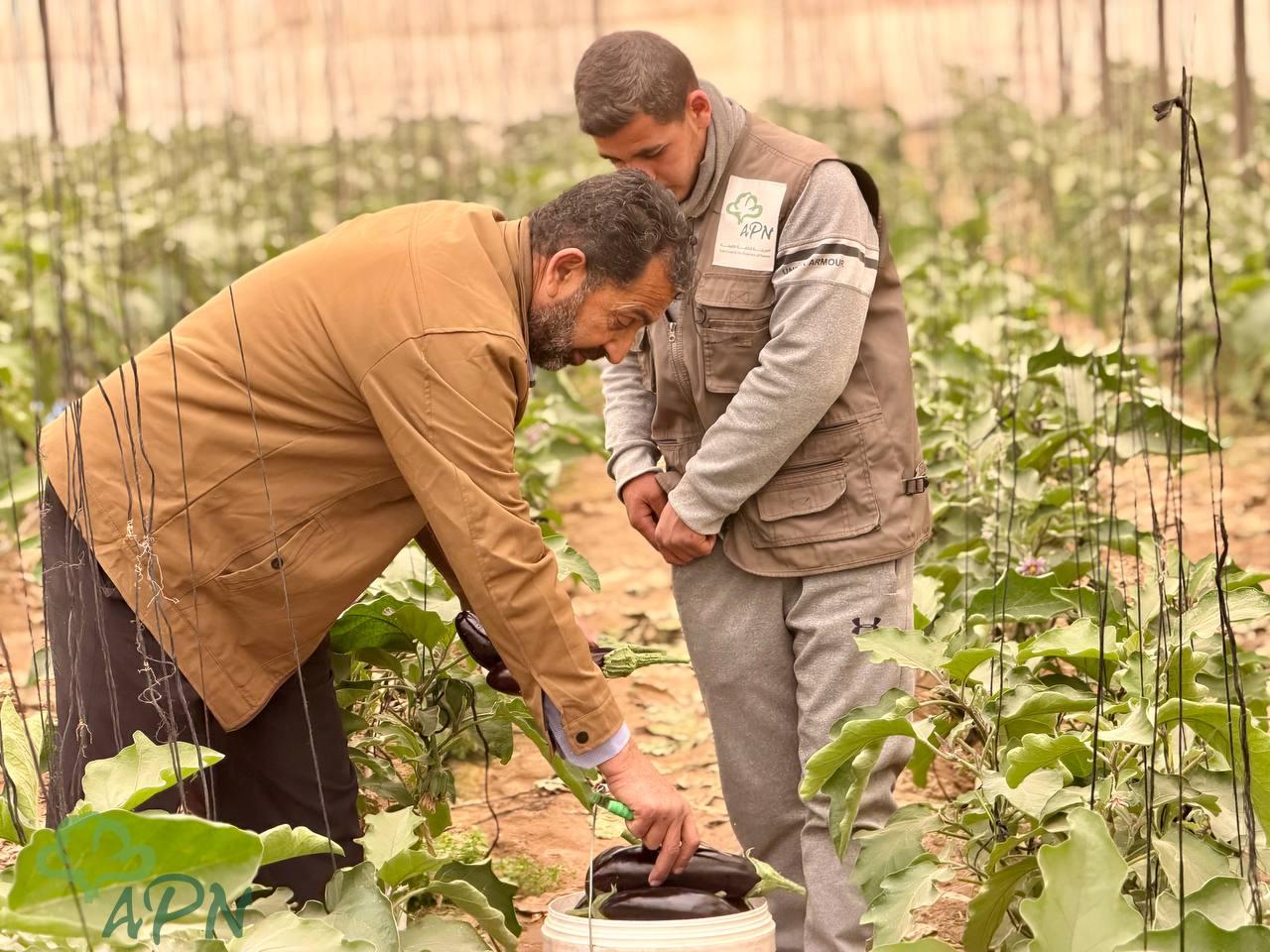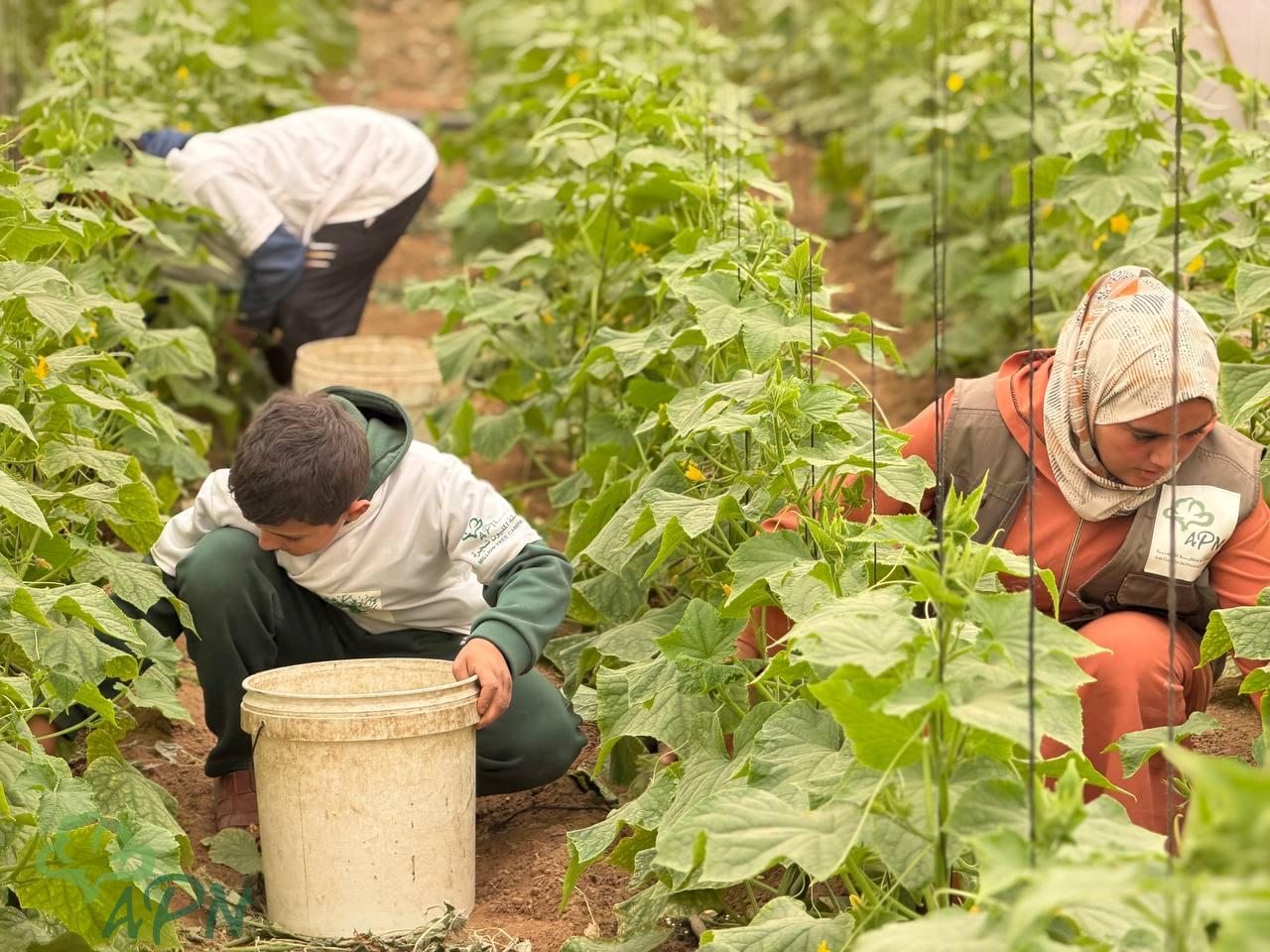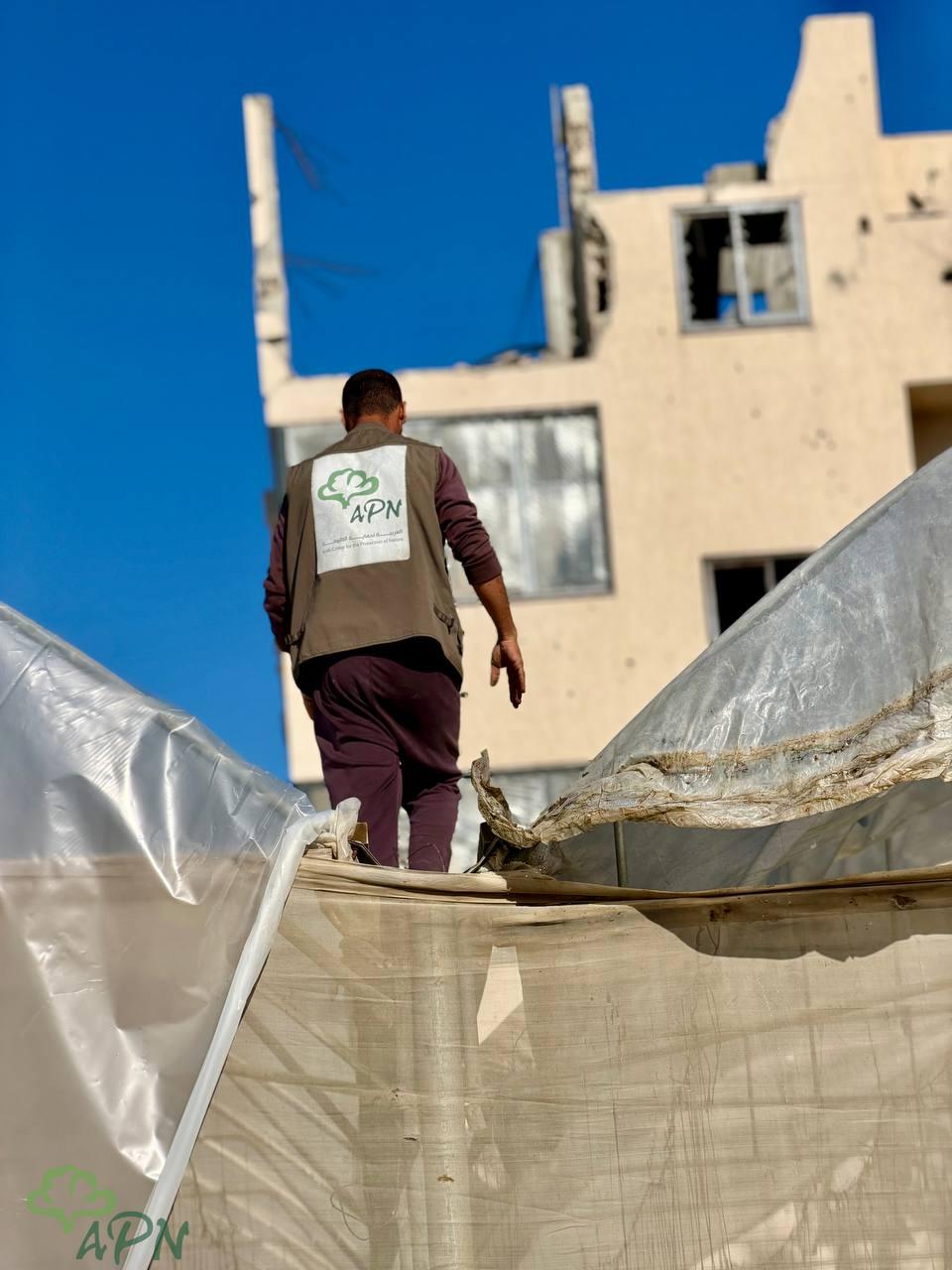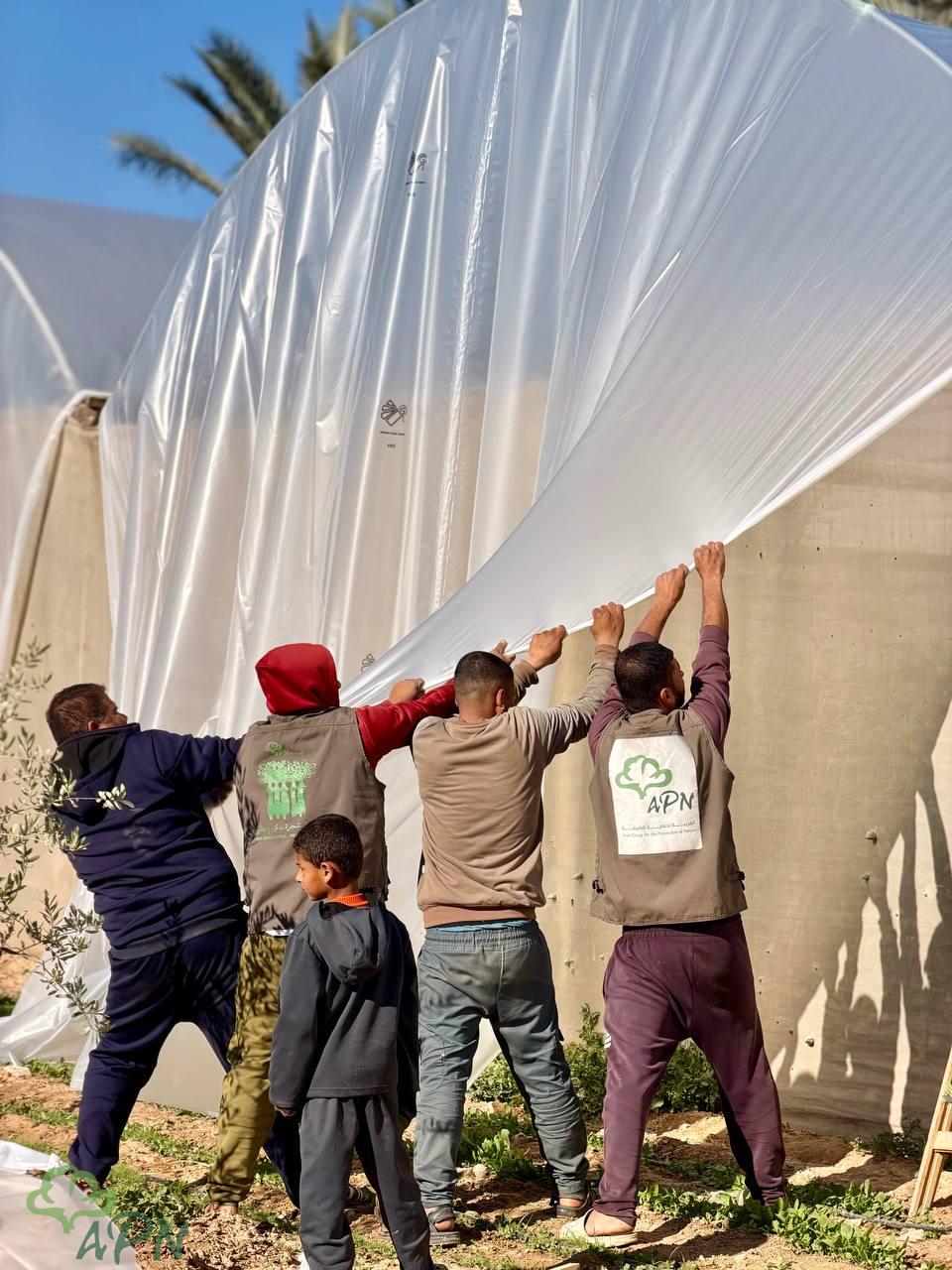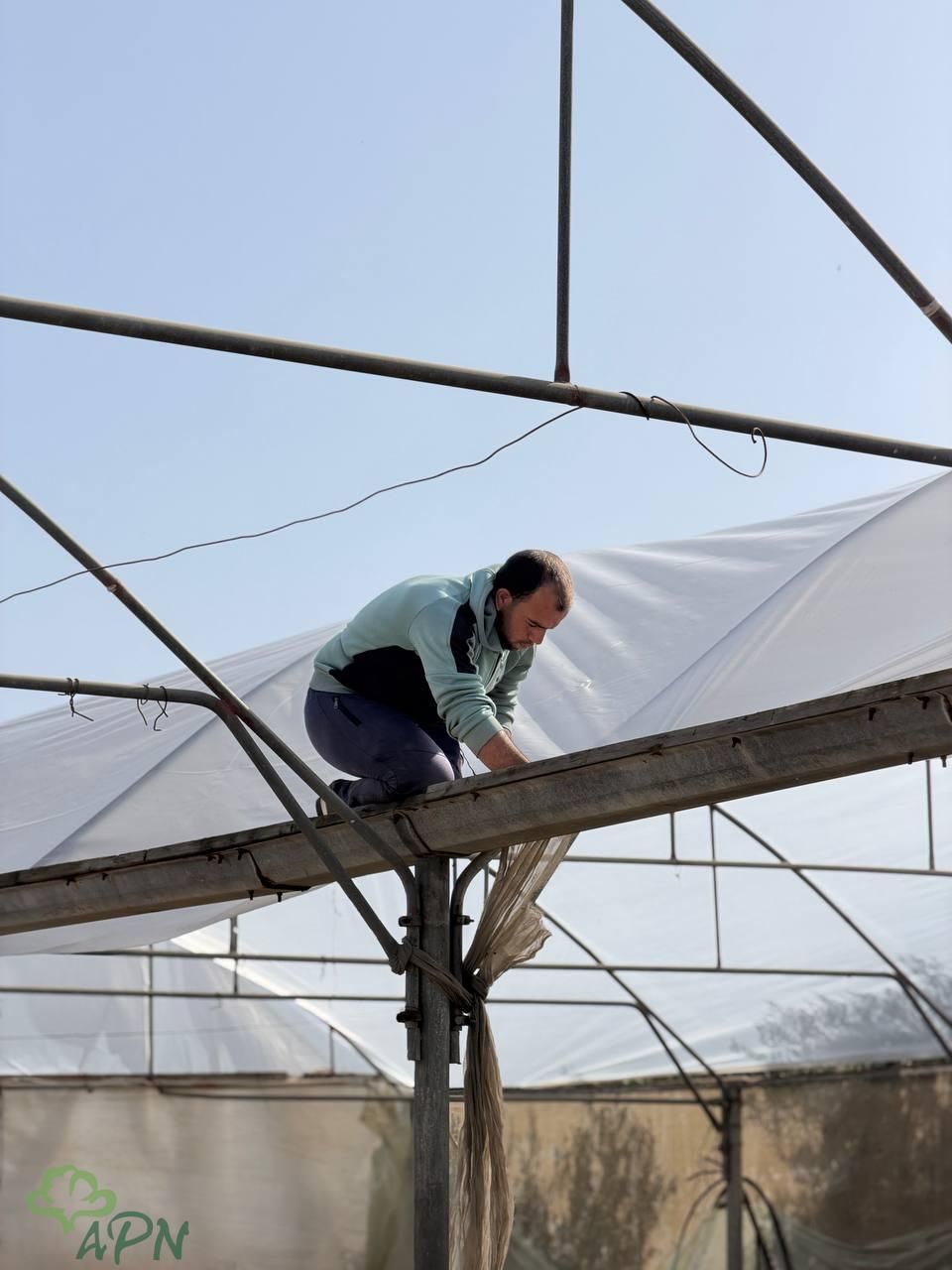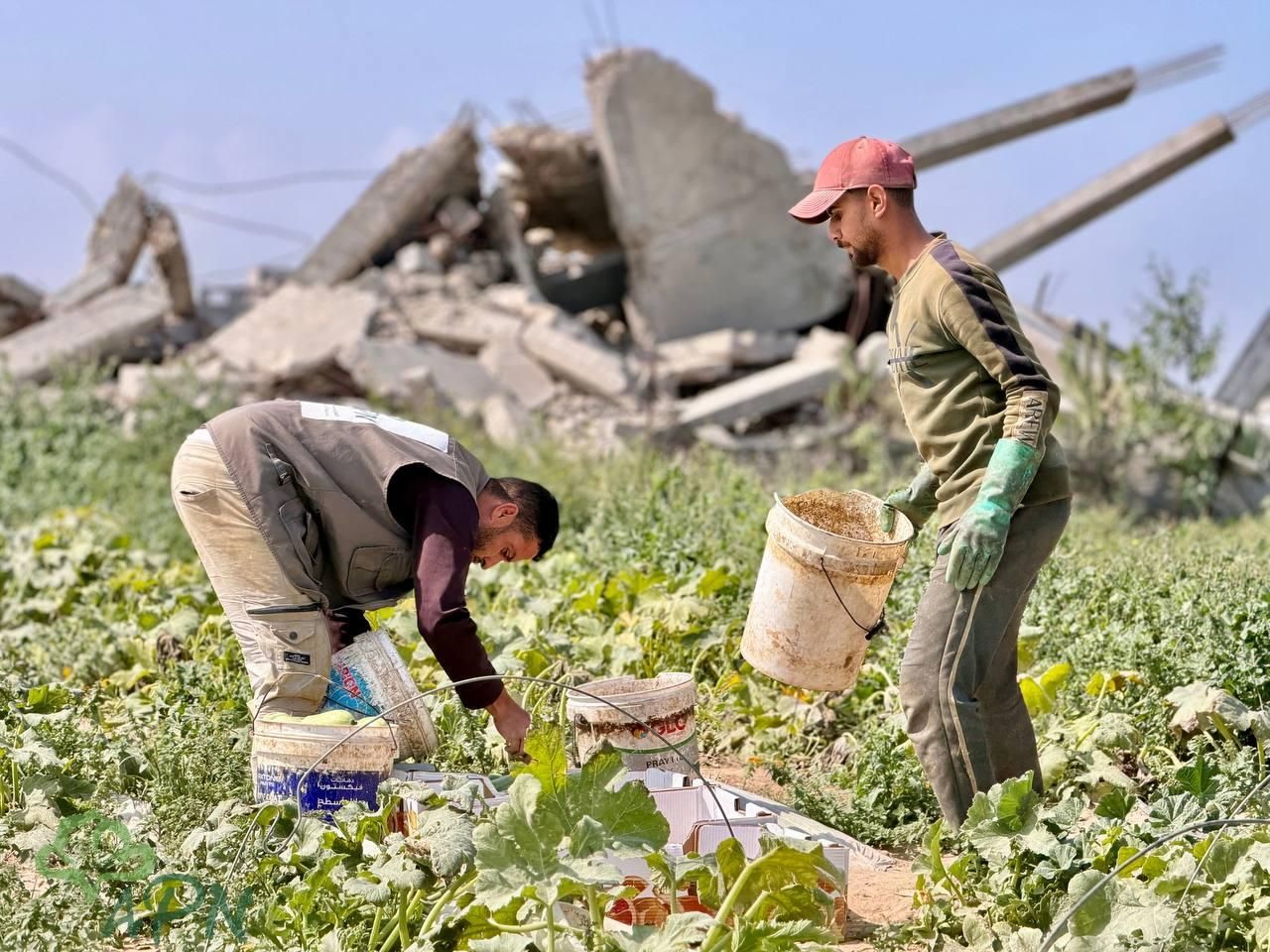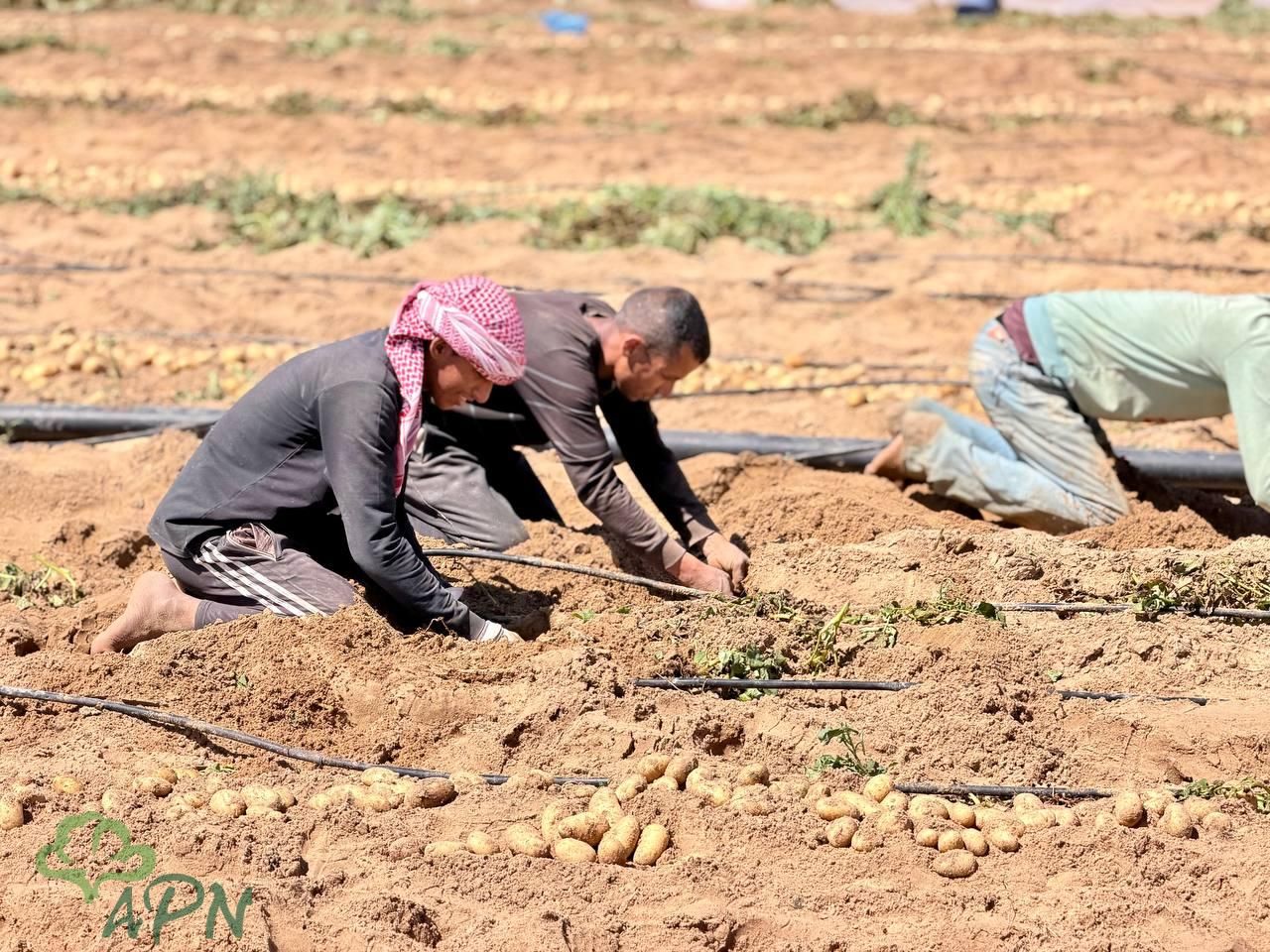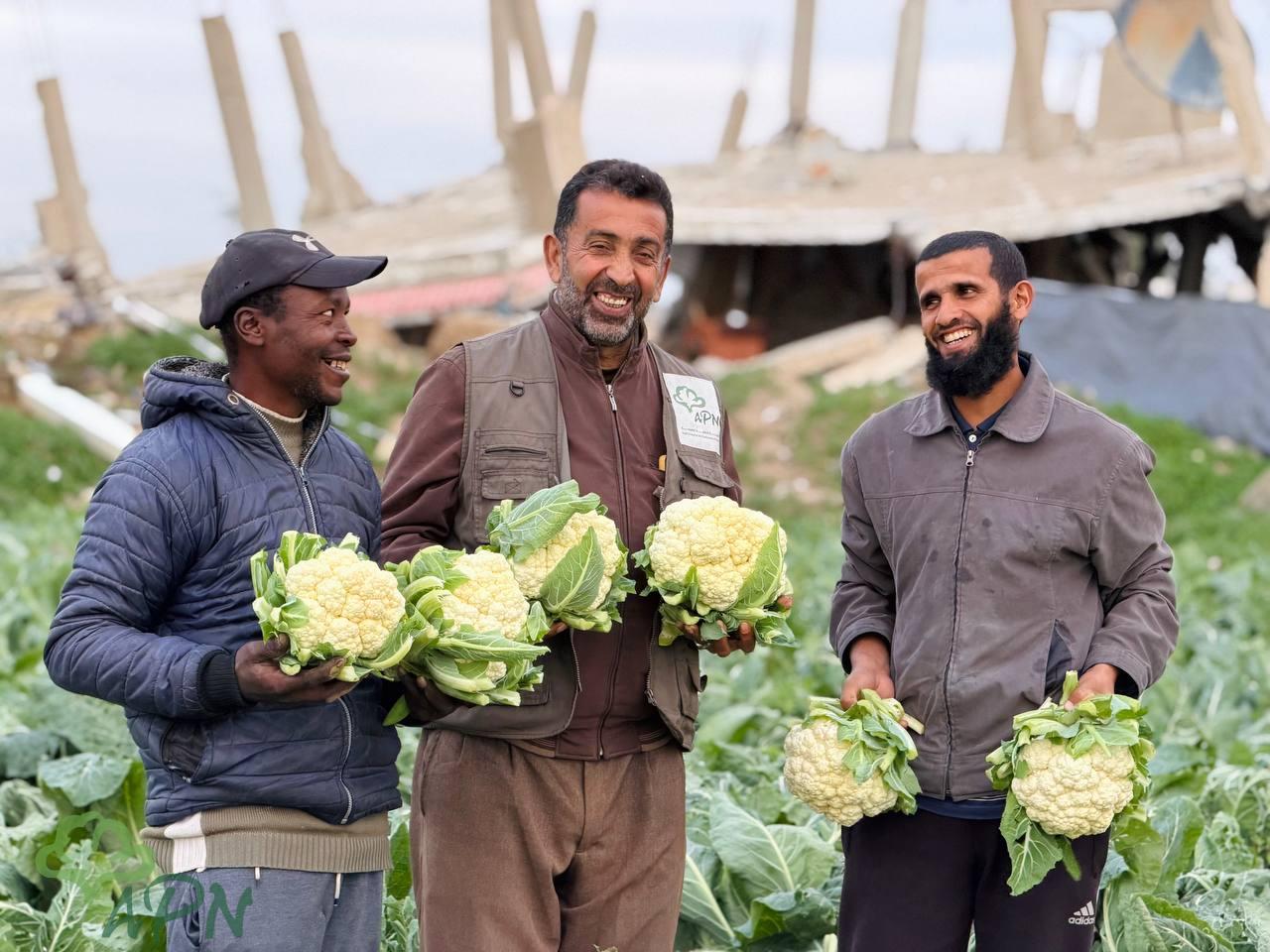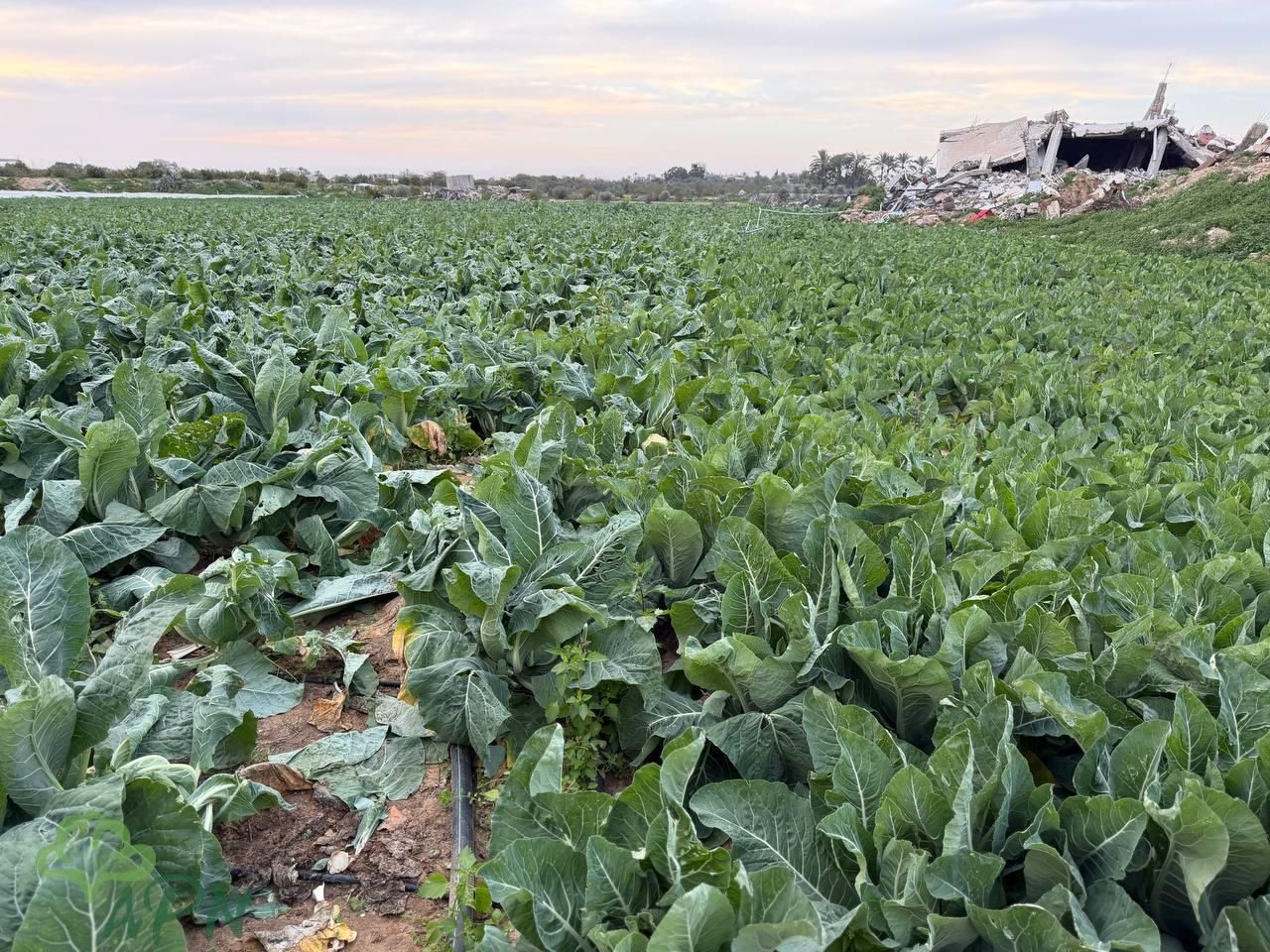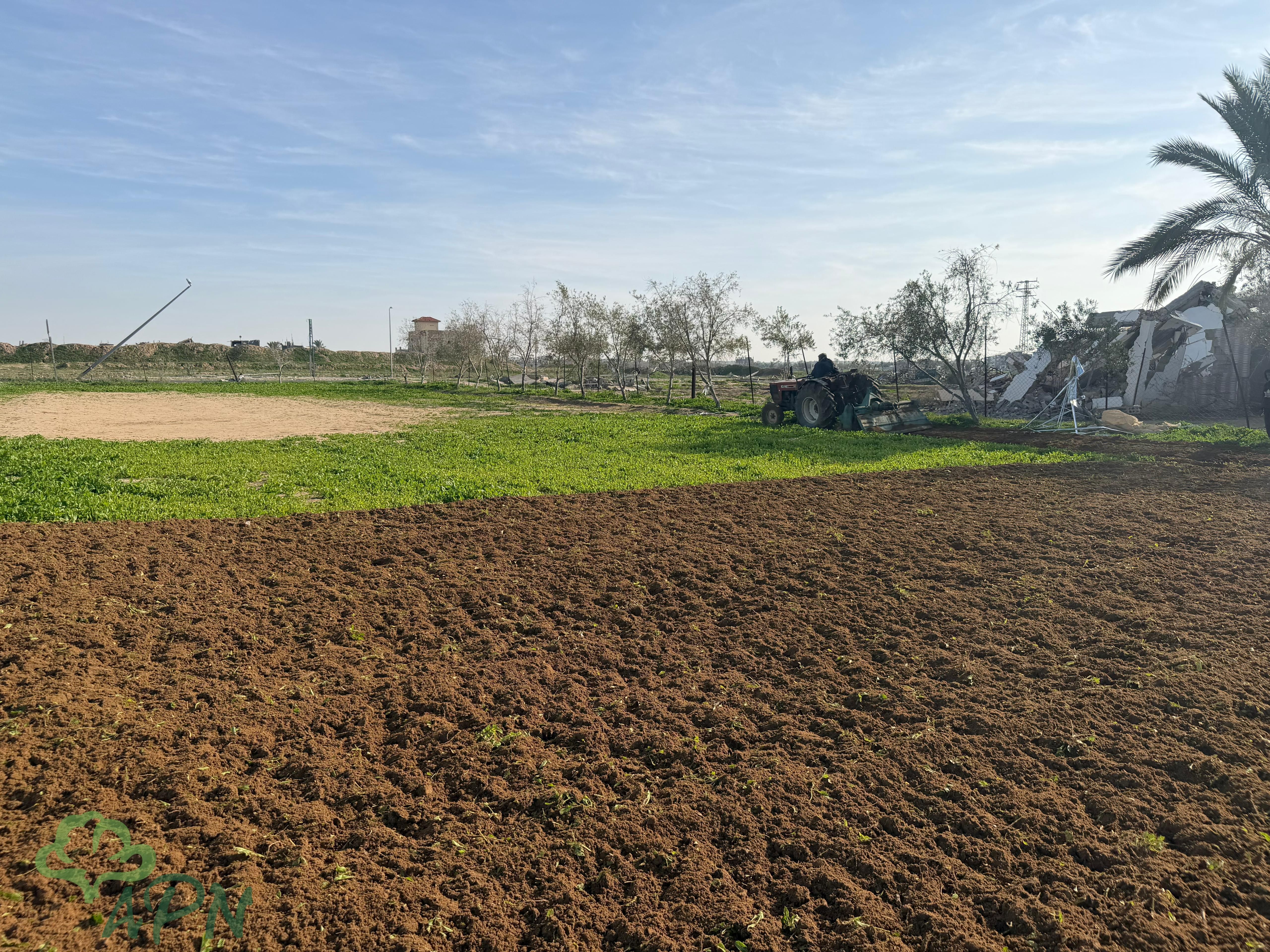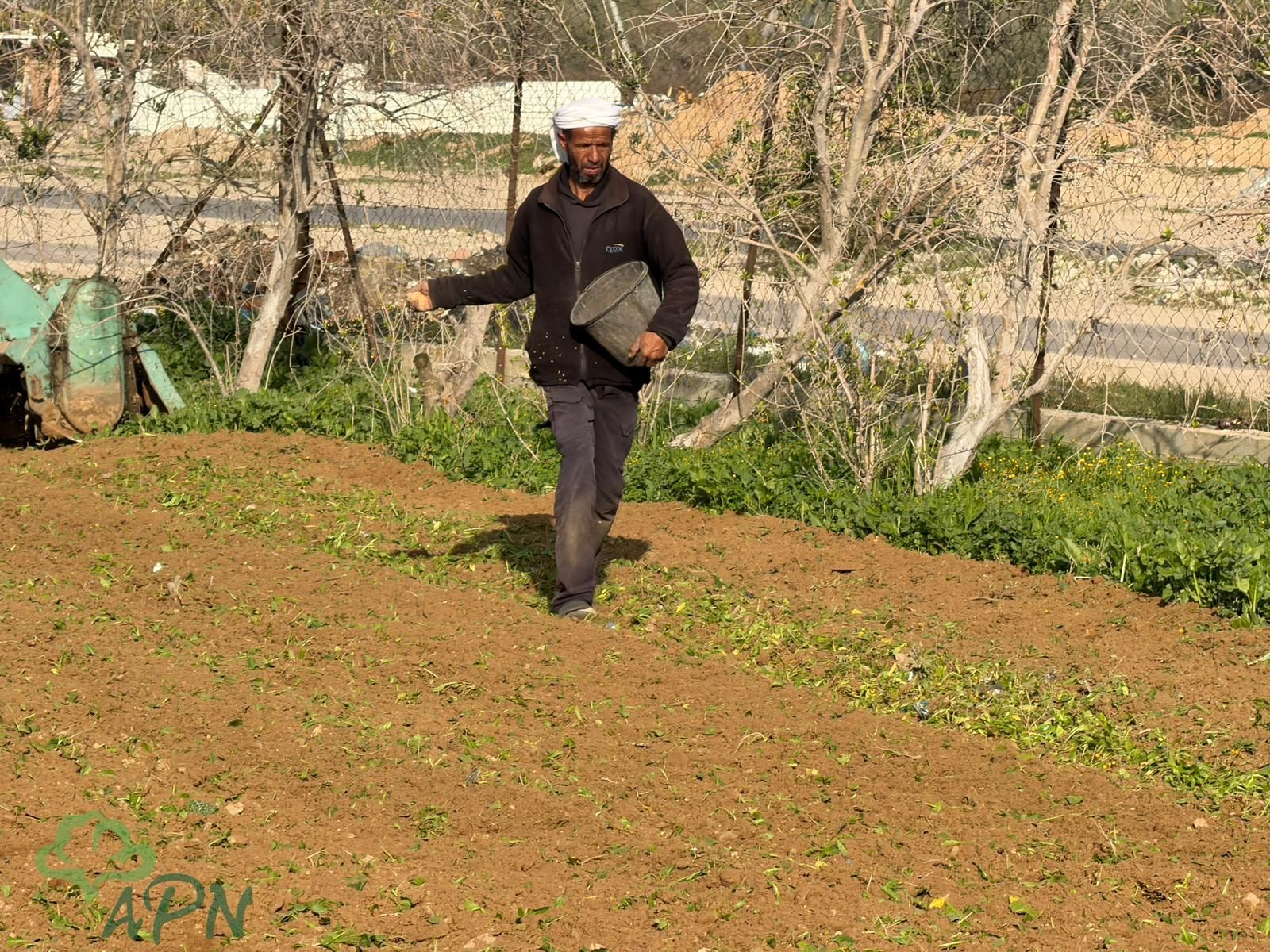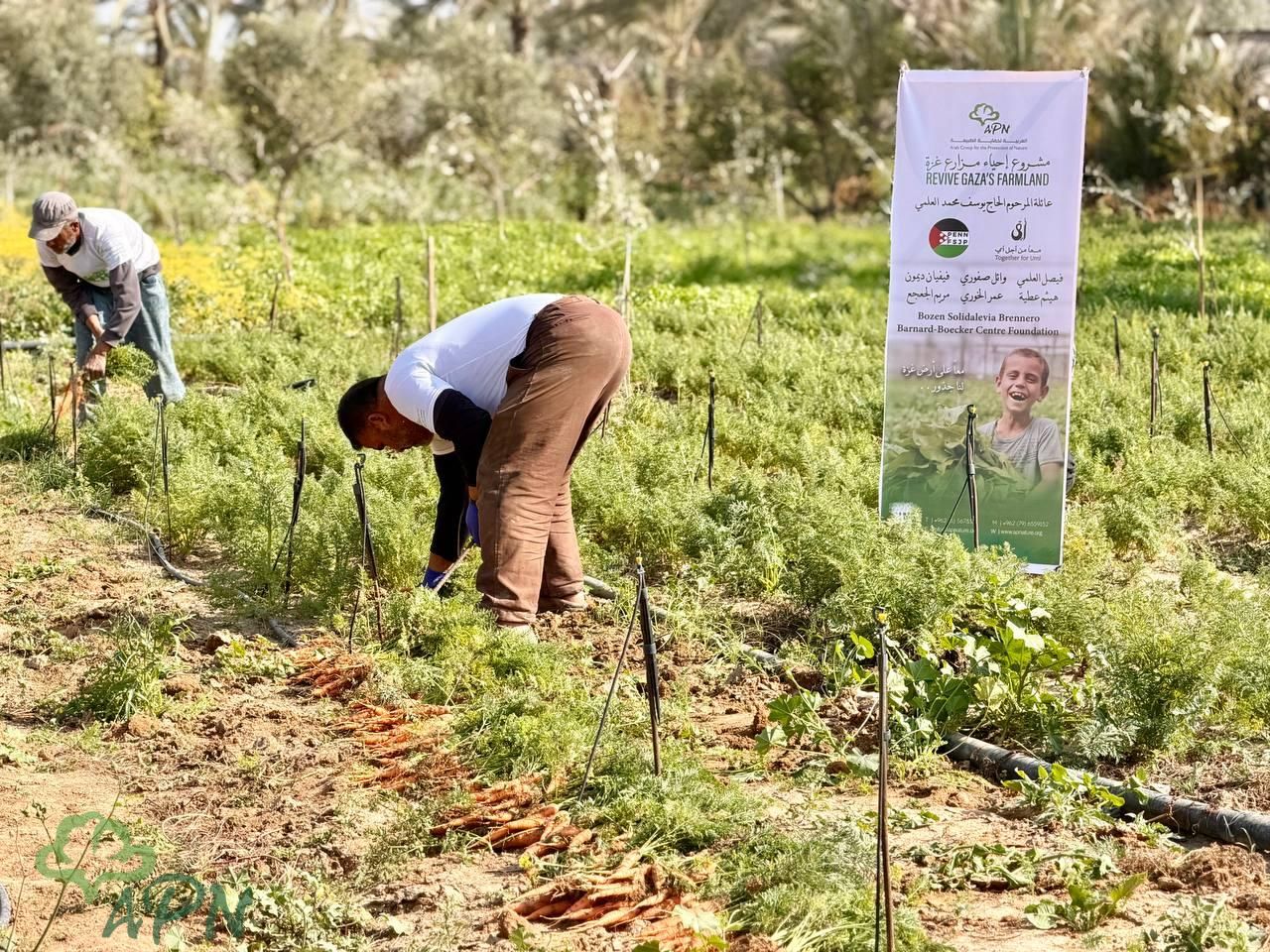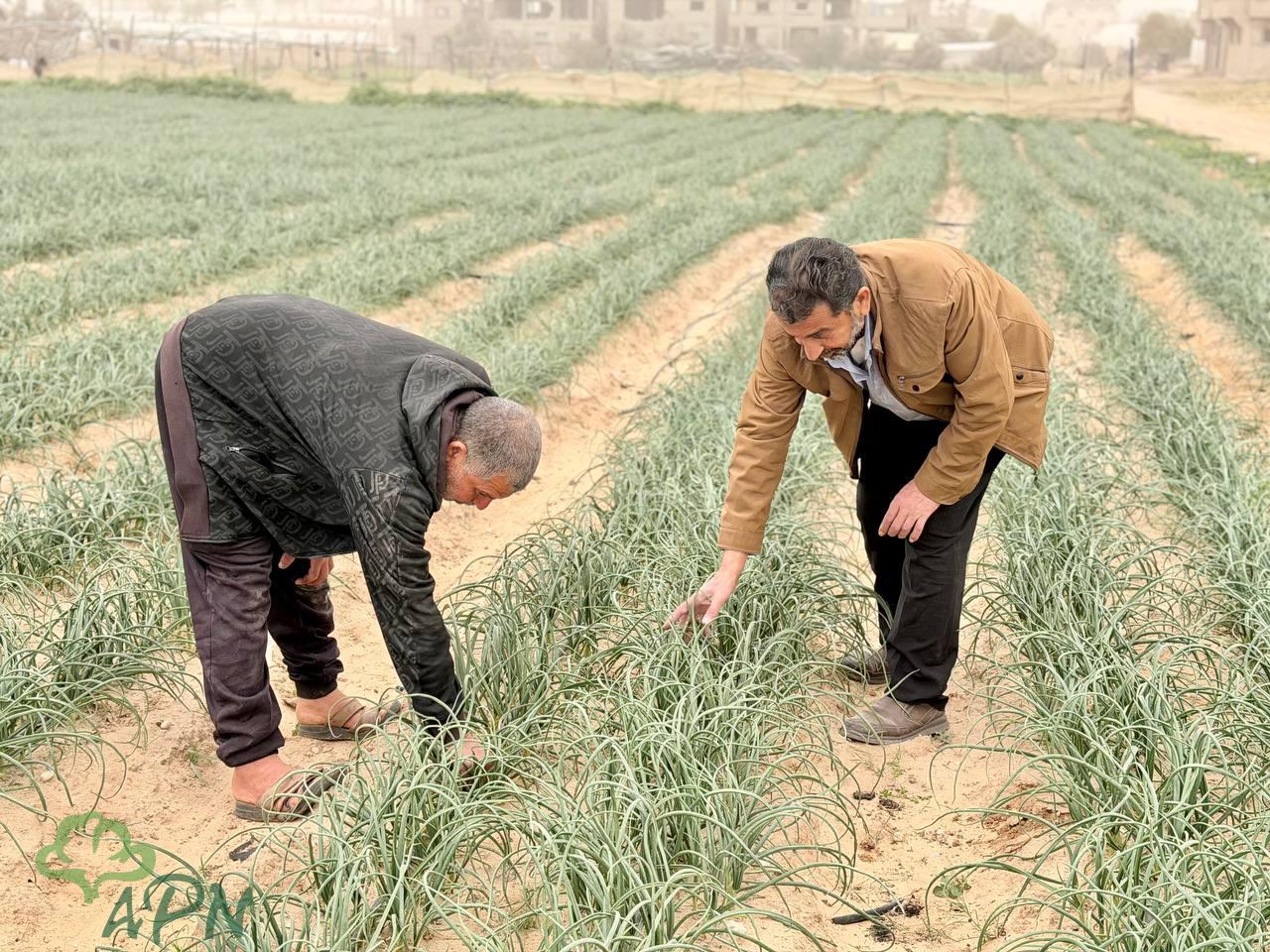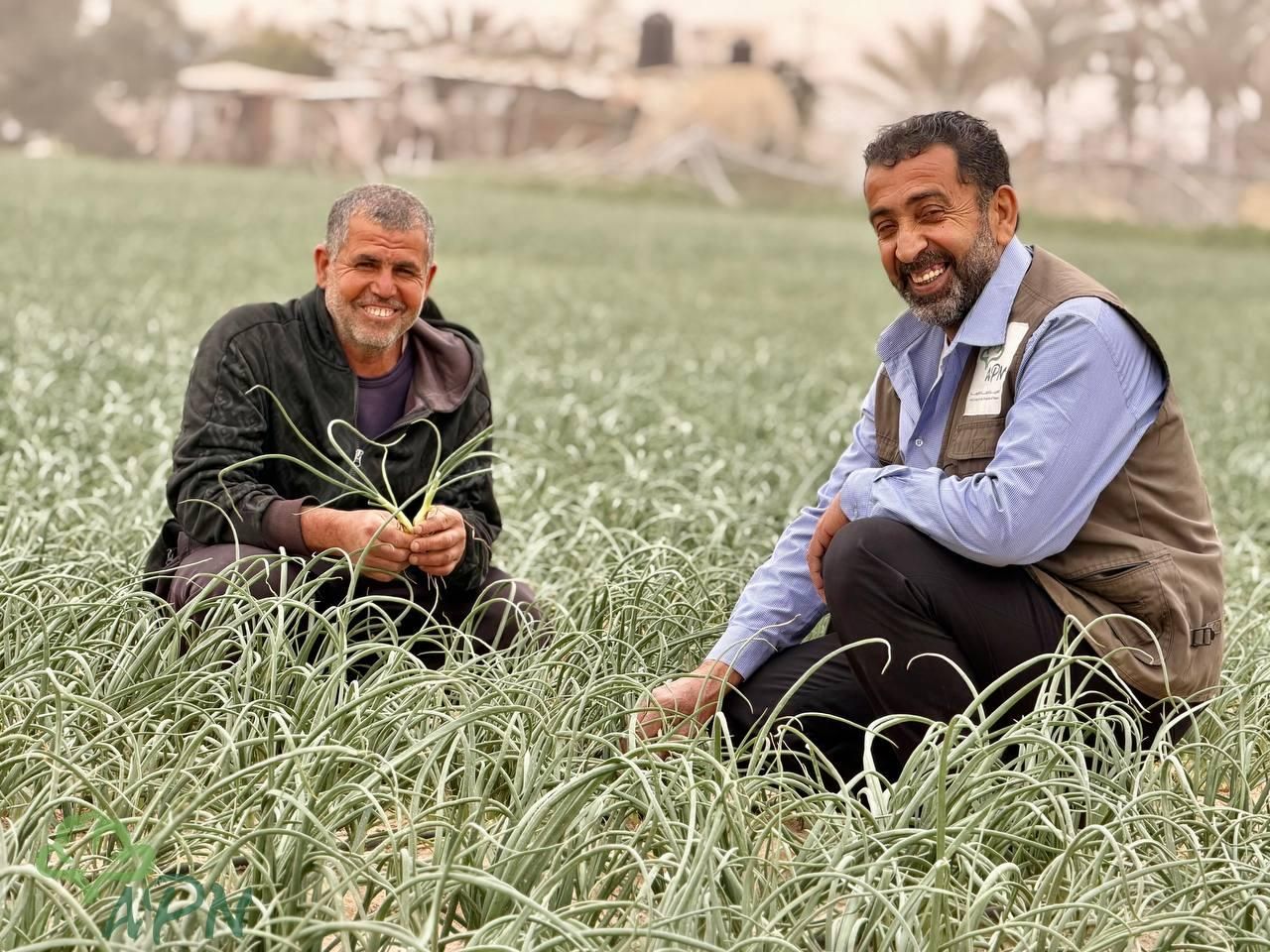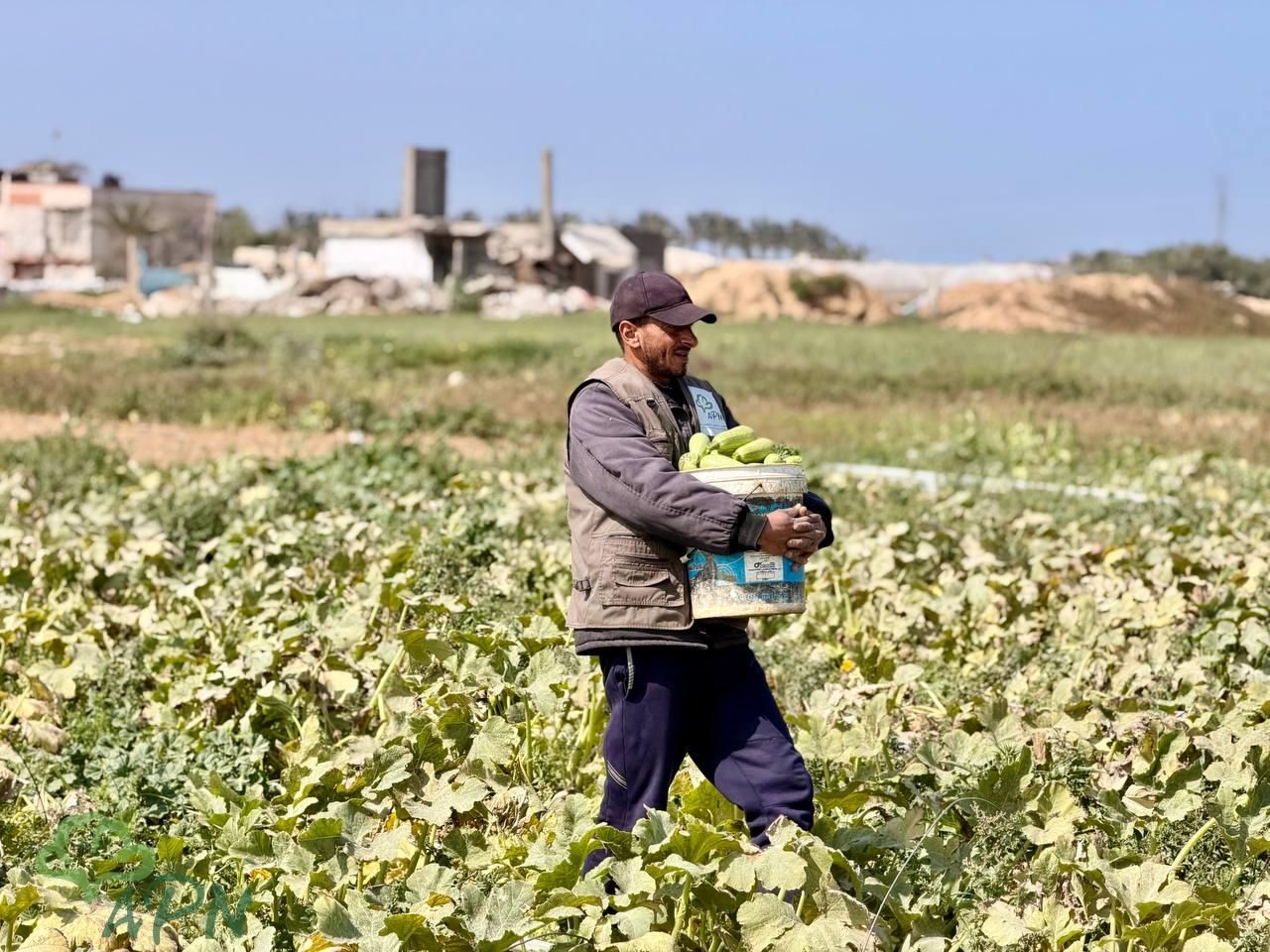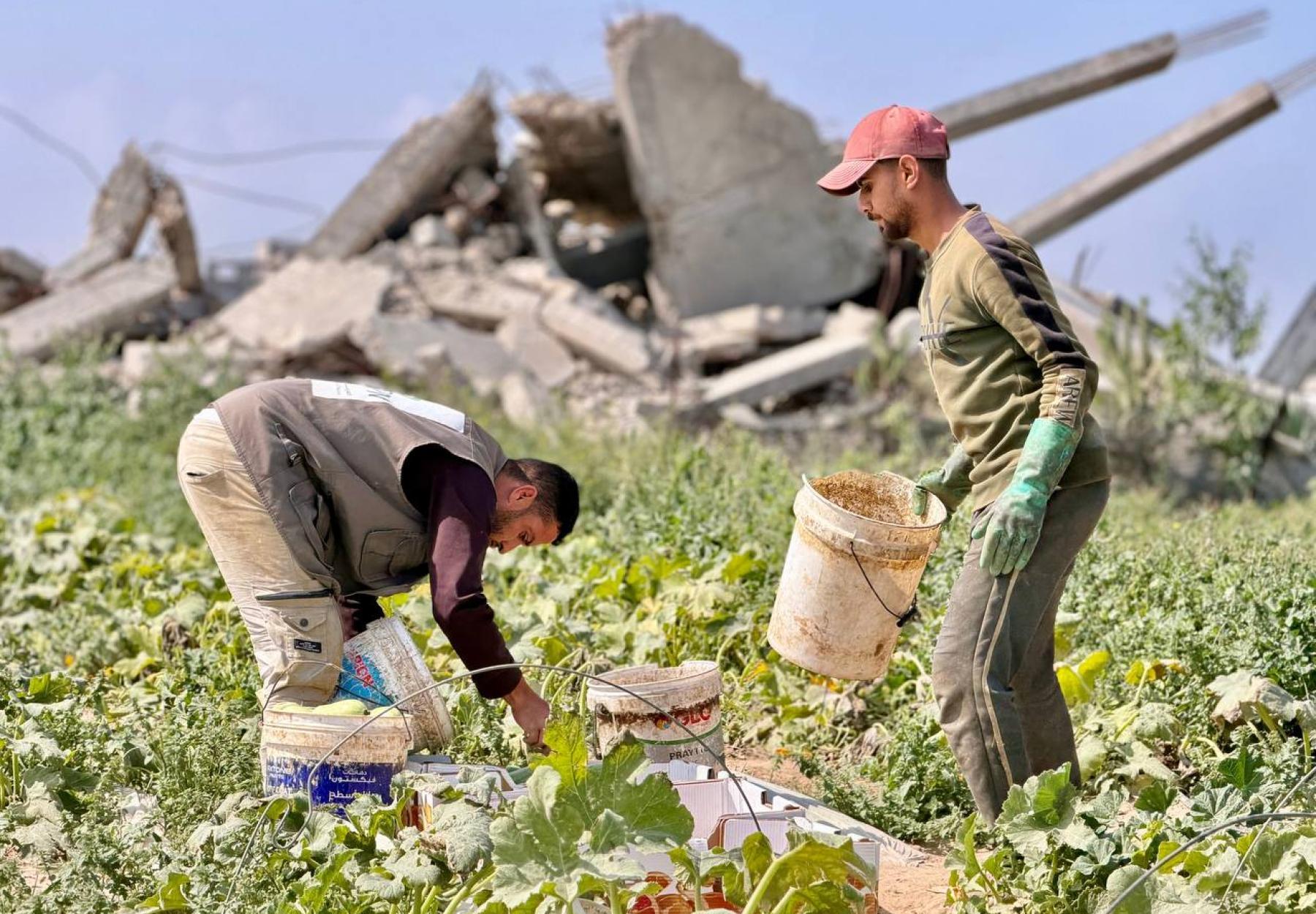
Defying the harsh realities of an ongoing genocide, Gaza’s farmers continue to bear the fruits of their harvests with the support of APN. In the first quarter of 2026, agricultural activity flourished, transforming limited land into a vital source of fresh food for families across the strip. Despite brutal conditions, 179 farming families, supporting approximately 976 people, managed to plant 433,950 seedlings and 4,157 kg of seeds, in addition to 530 kg of wheat, on 244 dunums across northern, central, and southern Gaza, producing roughly 1,889,550 kg of various crops. Three greenhouses were also rehabilitated in the south.
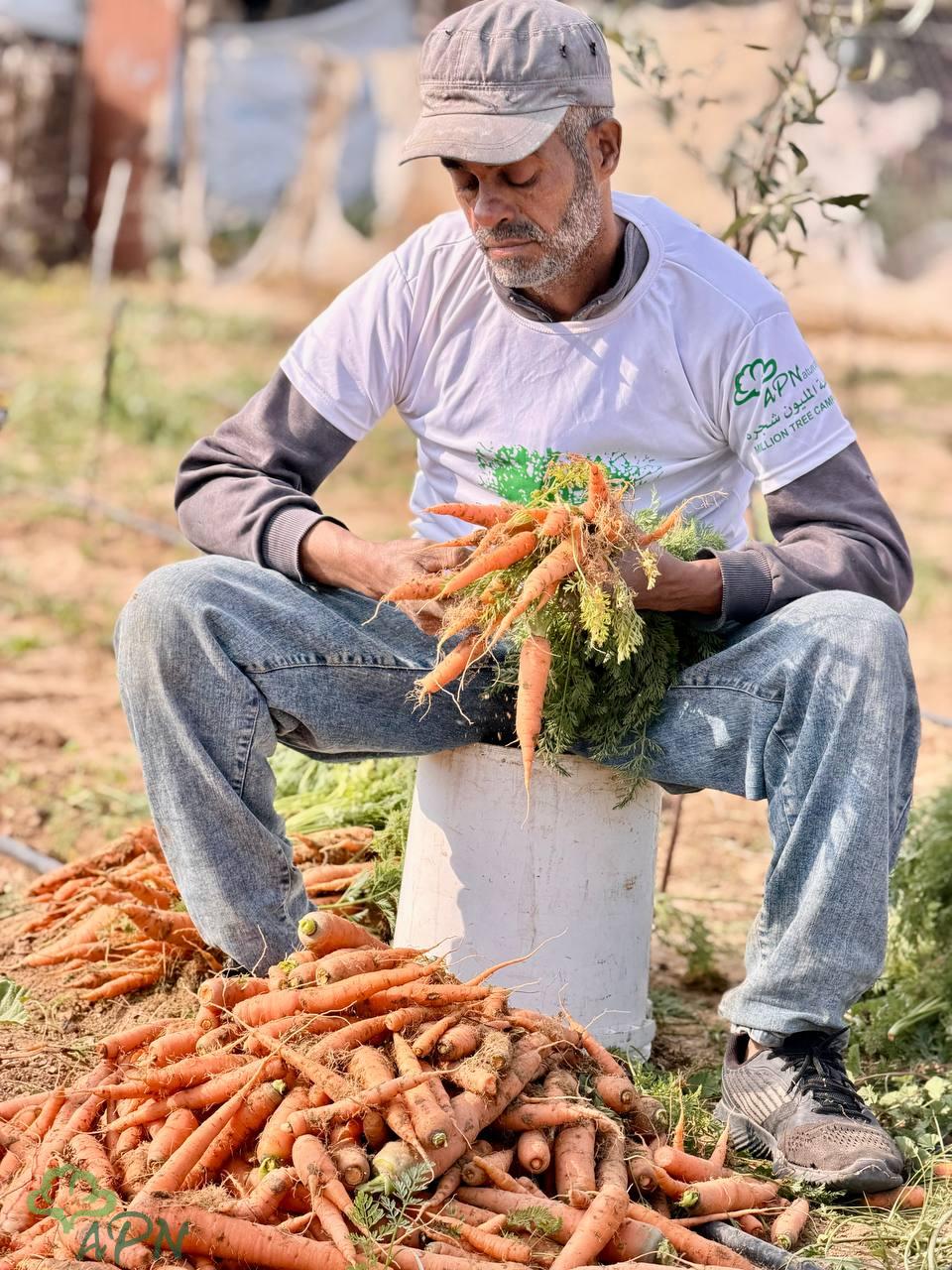
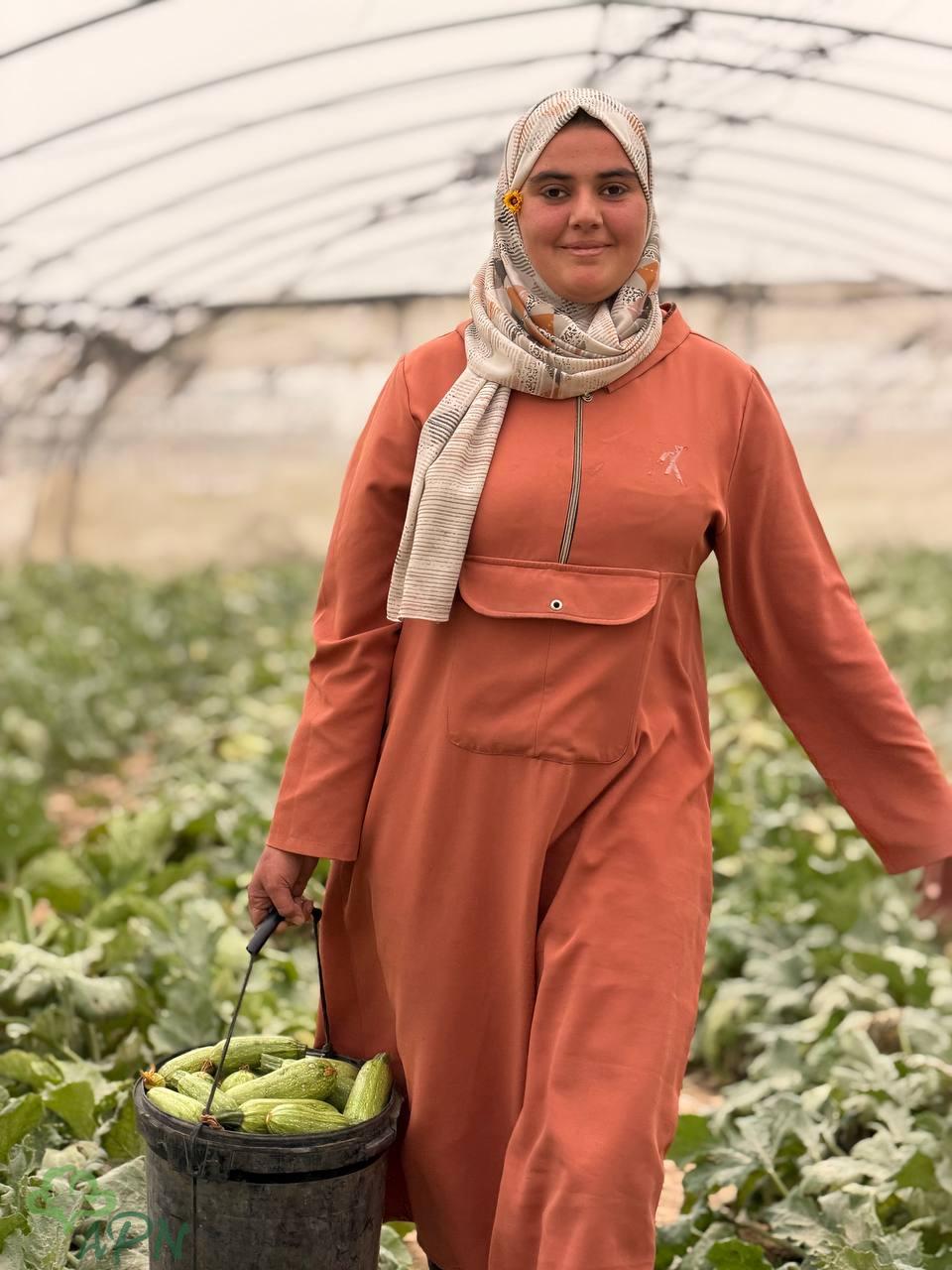
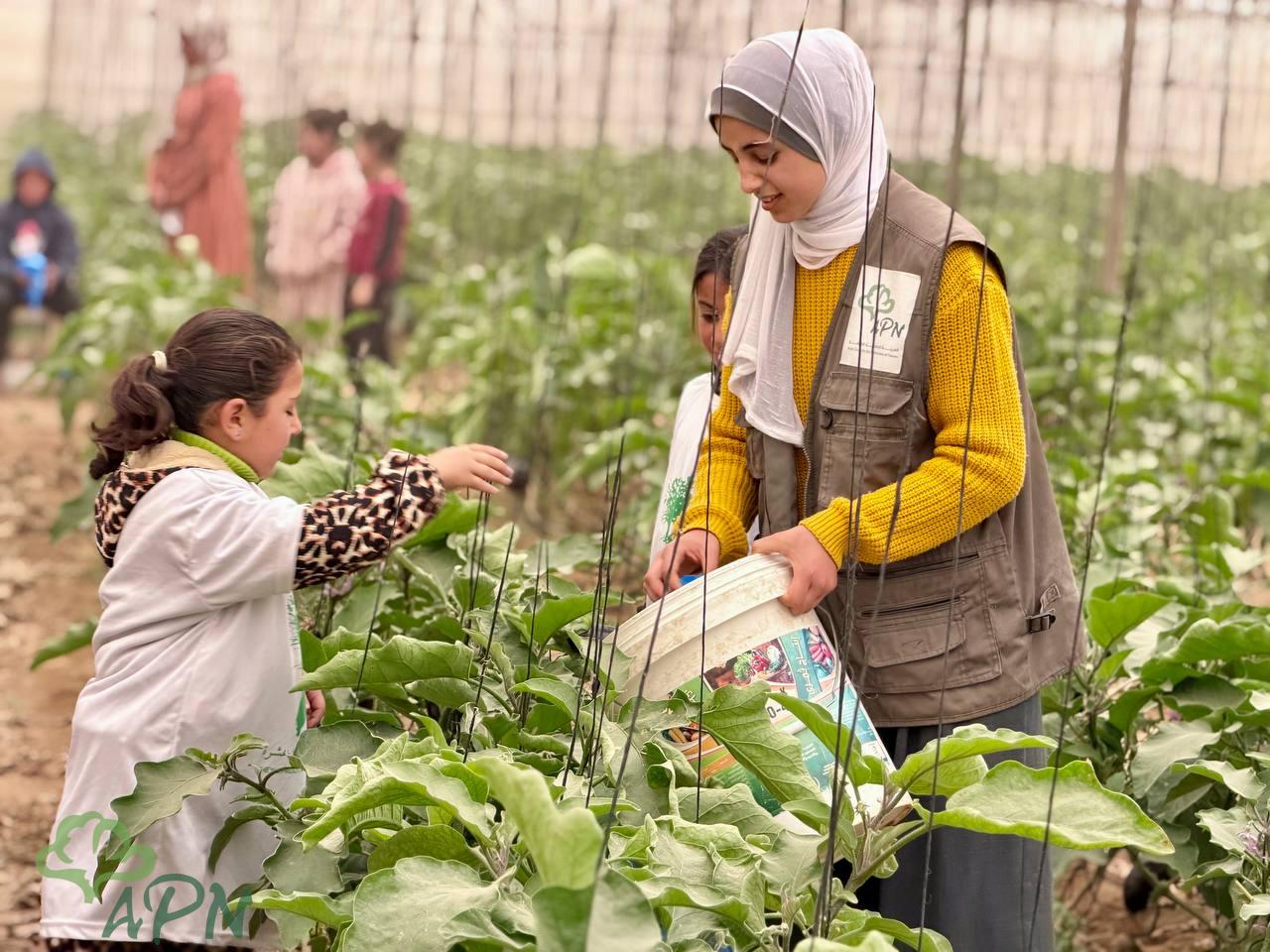
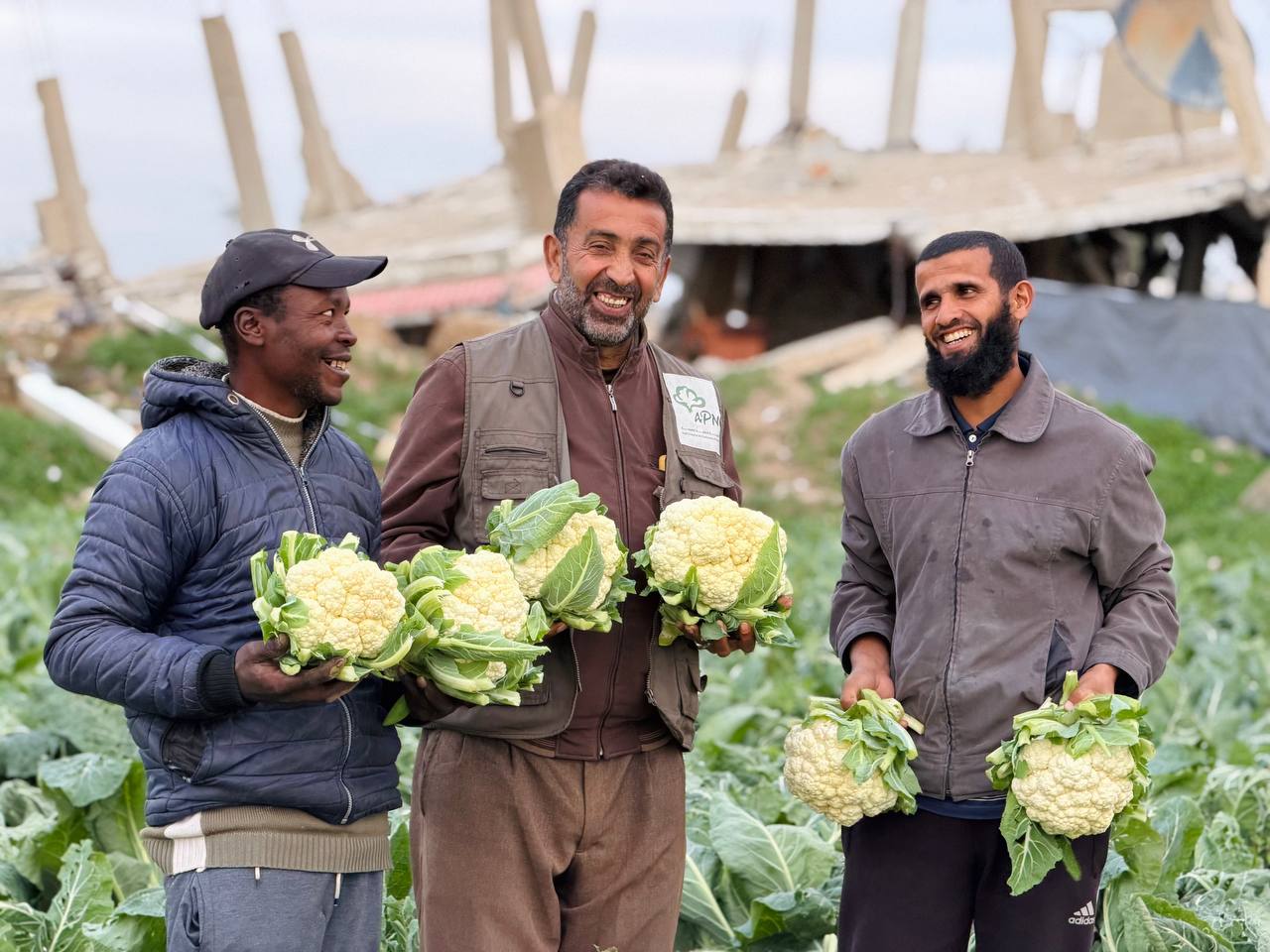
The crops planted include 92.3 dunums of cucumber, 7 dunums of potatoes, 26.3 dunums of tomatoes, 16 dunums of eggplant, 17.3 dunums of zucchini, 5.5 dunums of cabbage, 2 dunums of peppers, 7.7 dunums of peas, 7.7 dunums of fava beans, 13 dunums of onions, 6 dunums of cowpeas, 1 dunum of cauliflower, 5 dunums of okra, 3.5 dunums of lettuce, 10 dunums of molokhia, and 2 dunums of carrots for the first time since the genocide.
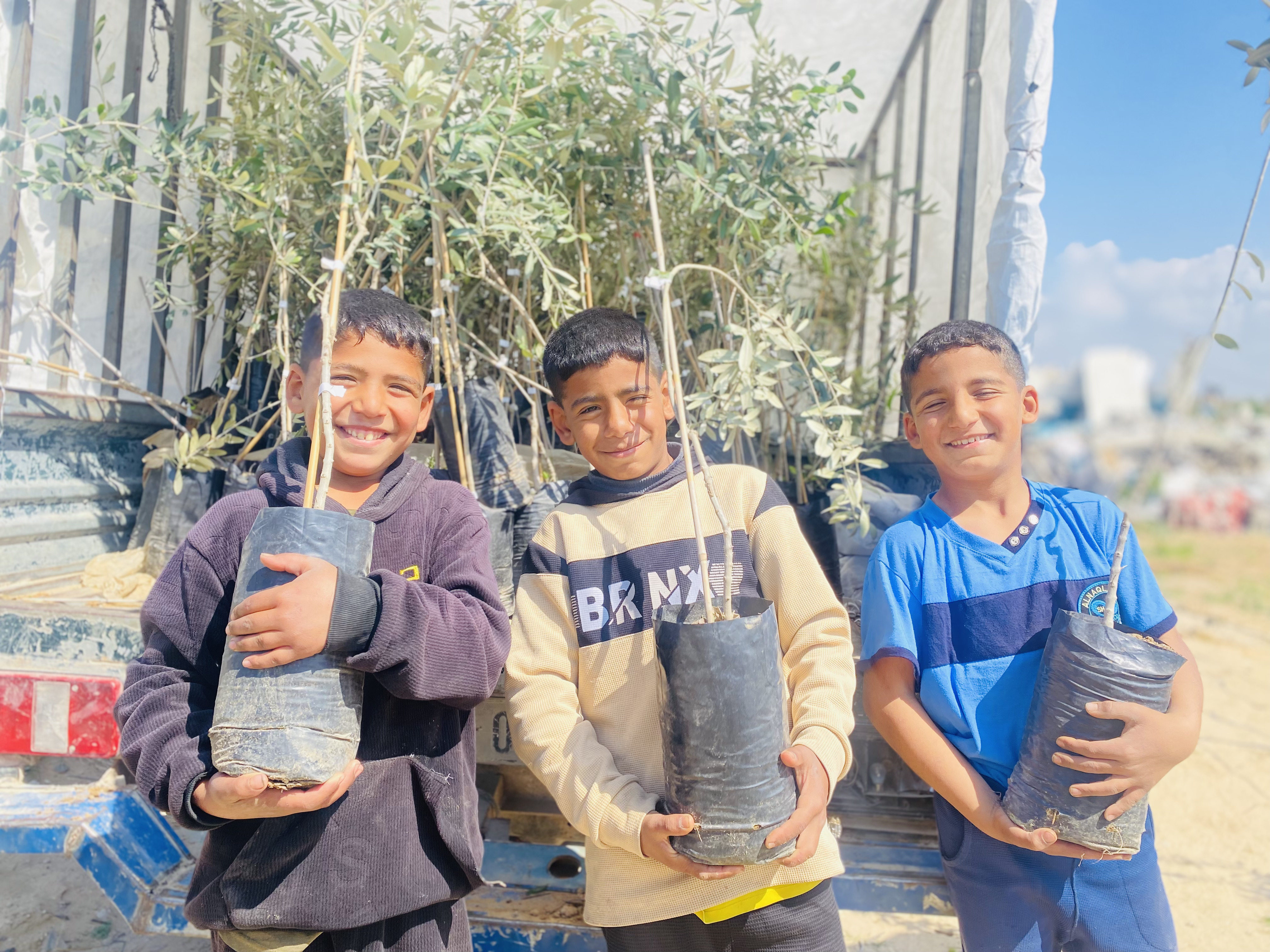
In addition, 790 olive trees were planted on 33 dunums in various locations. Additionally, 1,000 meters of water pipes were extended, and 4 wells in the north were rehabilitated to serve over 4,000 people, irrigating nearly 25 dunams of farmland.
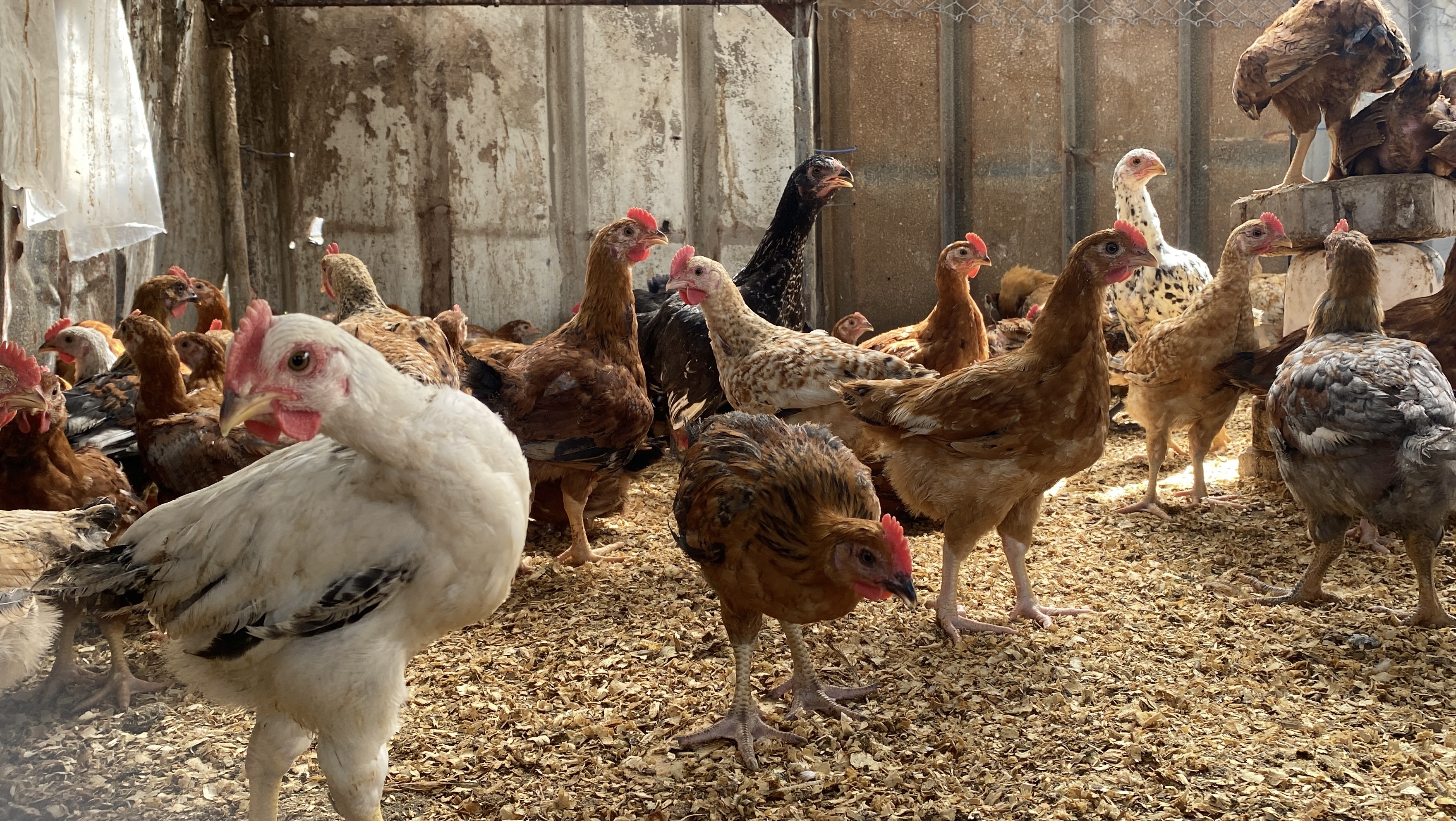
In terms of livestock production, the team launched an initiative to restart poultry farming in northern Gaza. Nine farmers supporting 45 people received 750 chicks along with feed and basic care, starting the first production cycle for this vital but scarce food source. Despite profoundly challenging circumstances, broiler chickens reached over 1.5 kg each within 50 days, with some expected to lay eggs in roughly 100 days.
This achievement is a testament to how even a small investment in agriculture can yield an incredible impact, directly bolstering food security for families in Gaza.
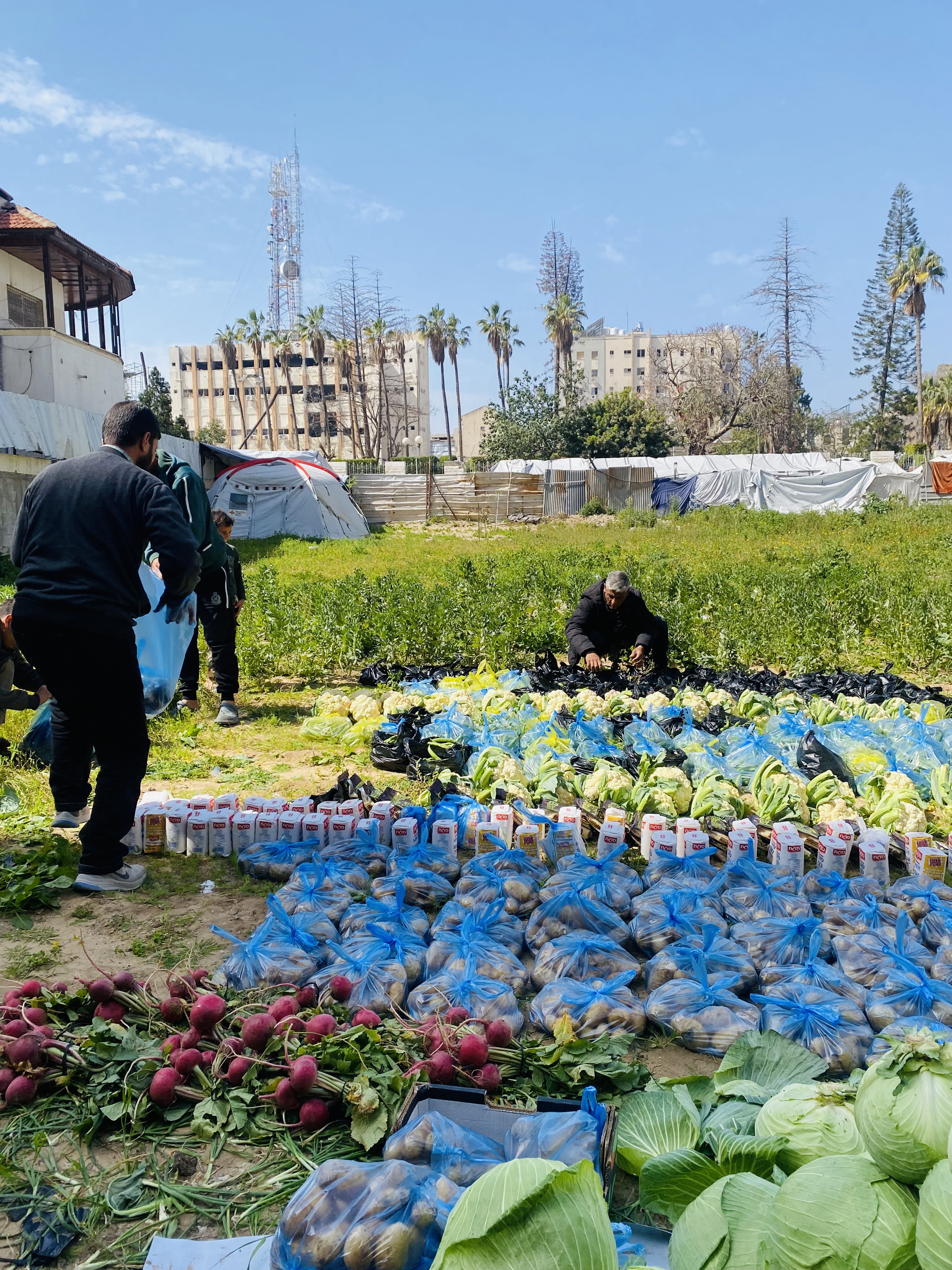
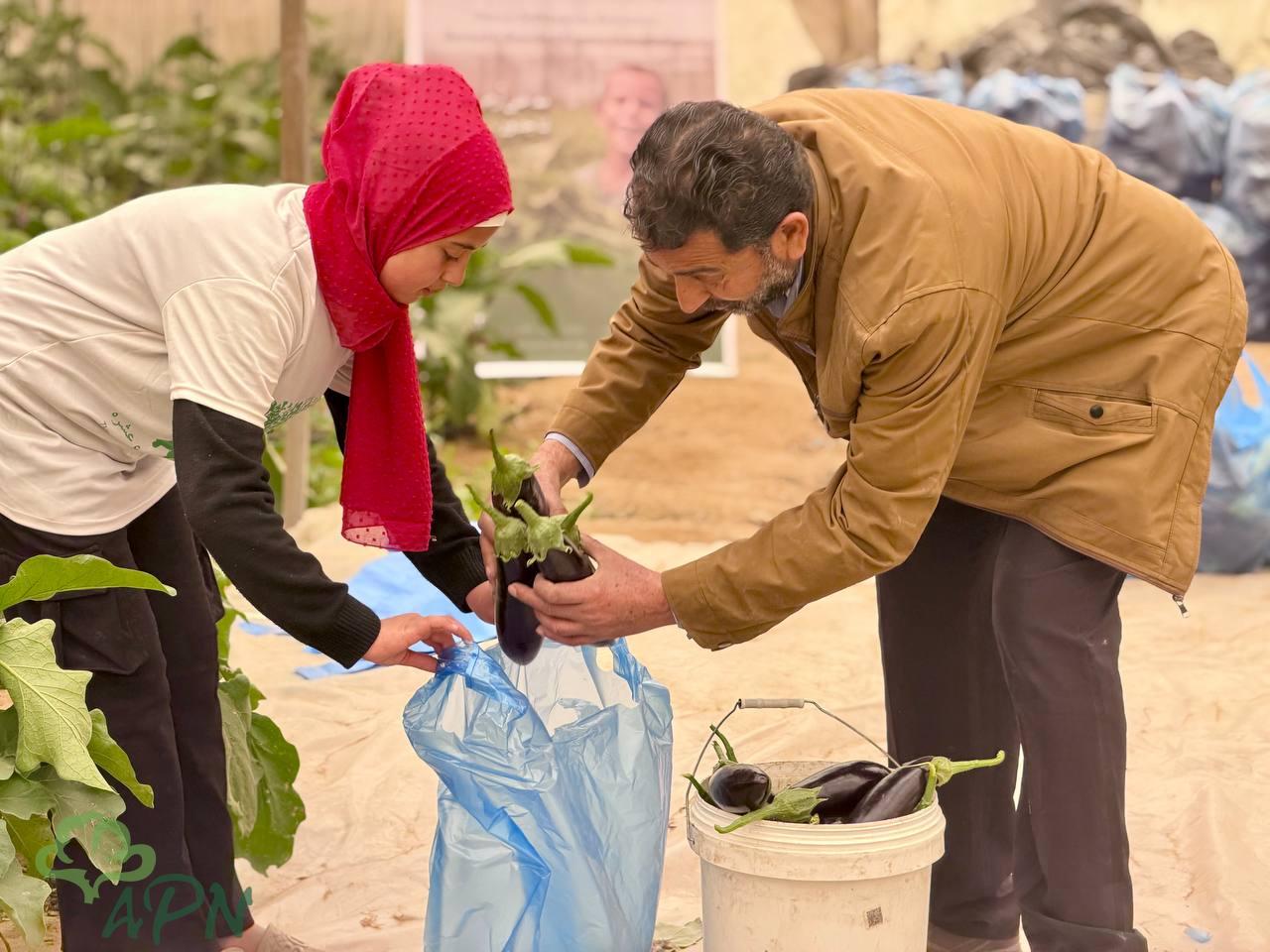
Last year, we launched an initiative “From the Besieged Farmer to the Besieged Family” which aimed to shield families from soaring food prices and strengthen community solidarity. During Ramadan, we collaborated with partners to distribute 740 food baskets, providing vital nutritional support for approximately 4,440 people. Baskets included a mix of fresh vegetables and essential food items. One partner purchased around 2,000 kg of potatoes for distribution through community kitchens in northern areas.
Our team also supplied fresh vegetables grown on the lands we support to local families, who lovingly prepared and distributed 314 meals across the camps, bringing the total number of meals supported to 1,714.