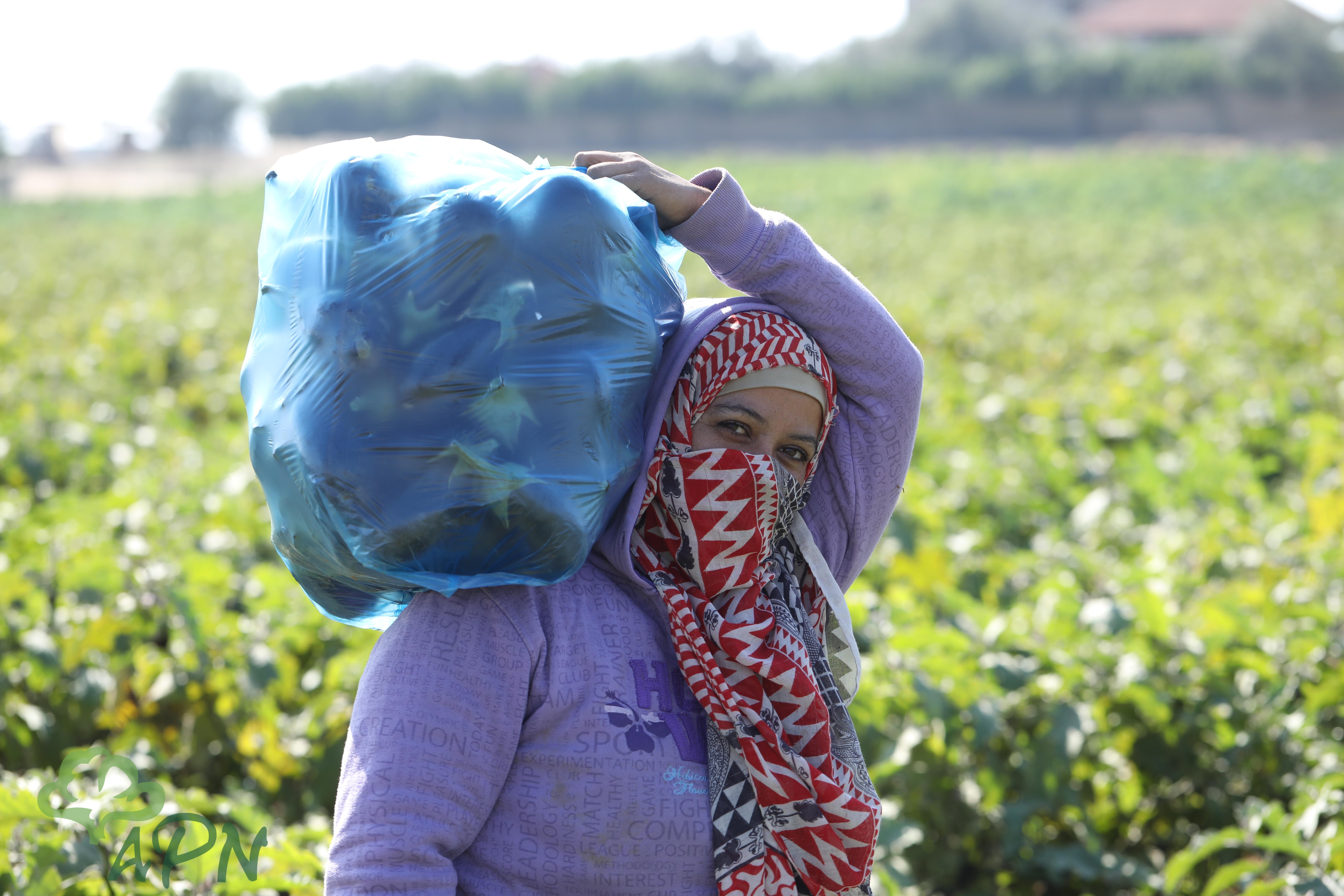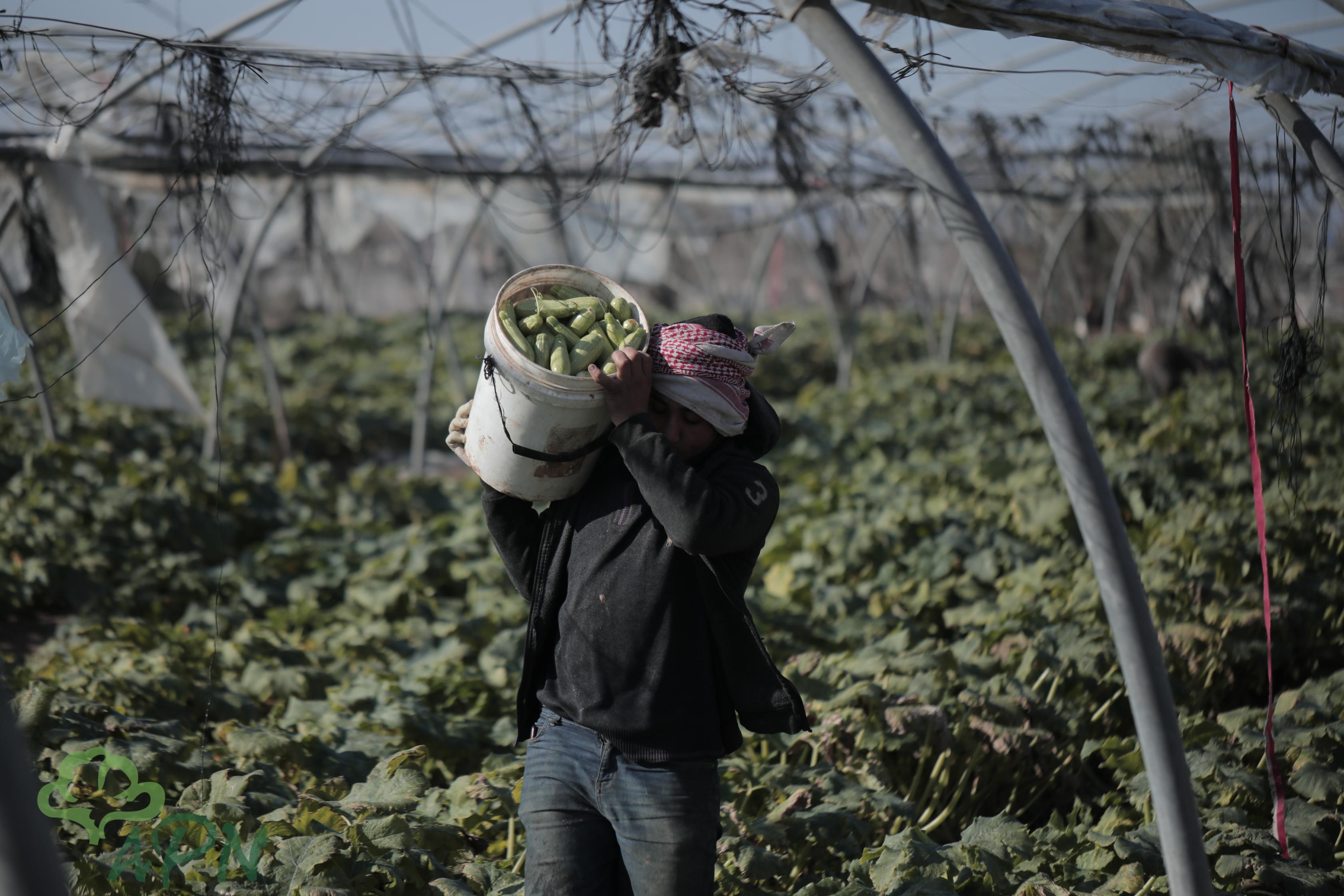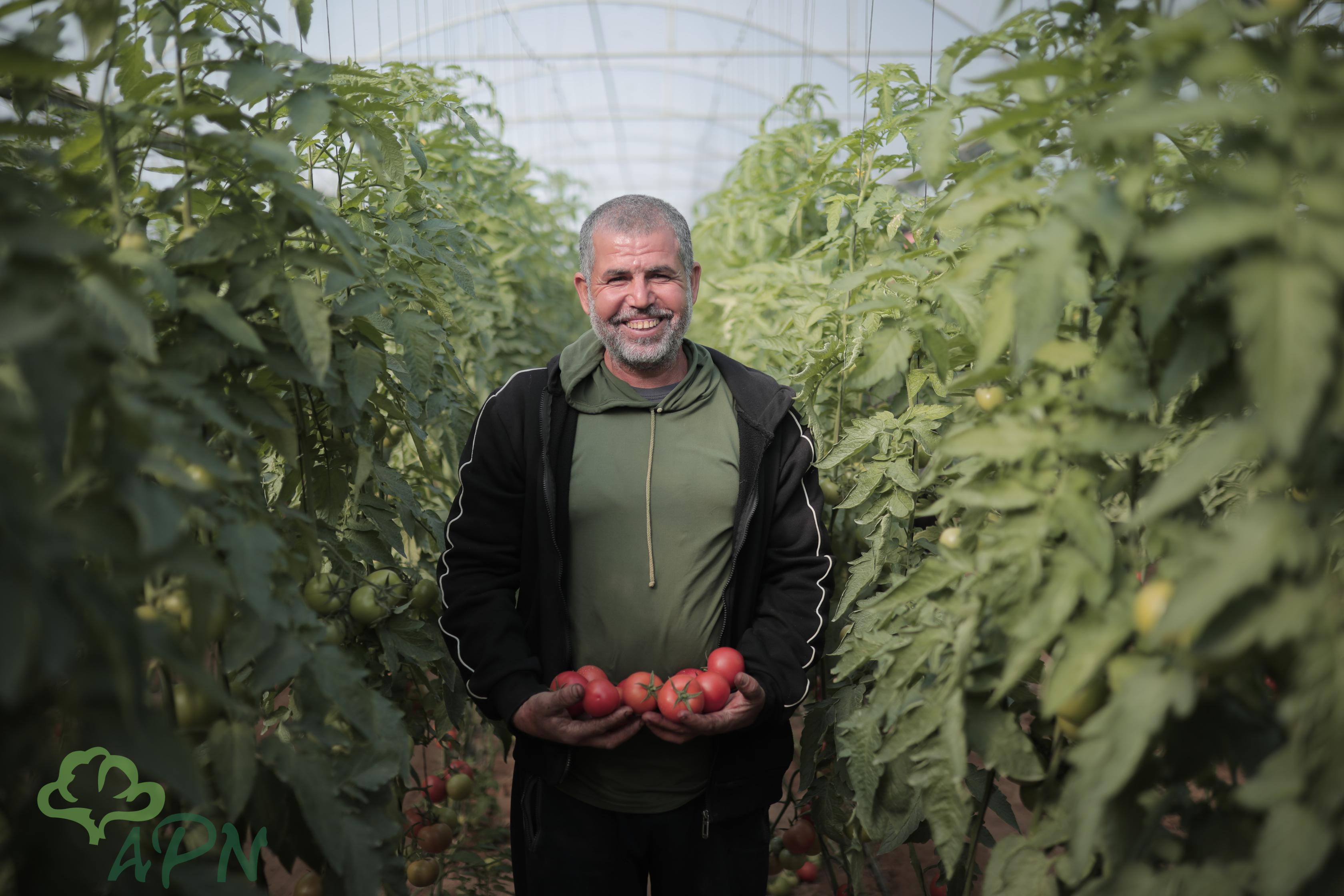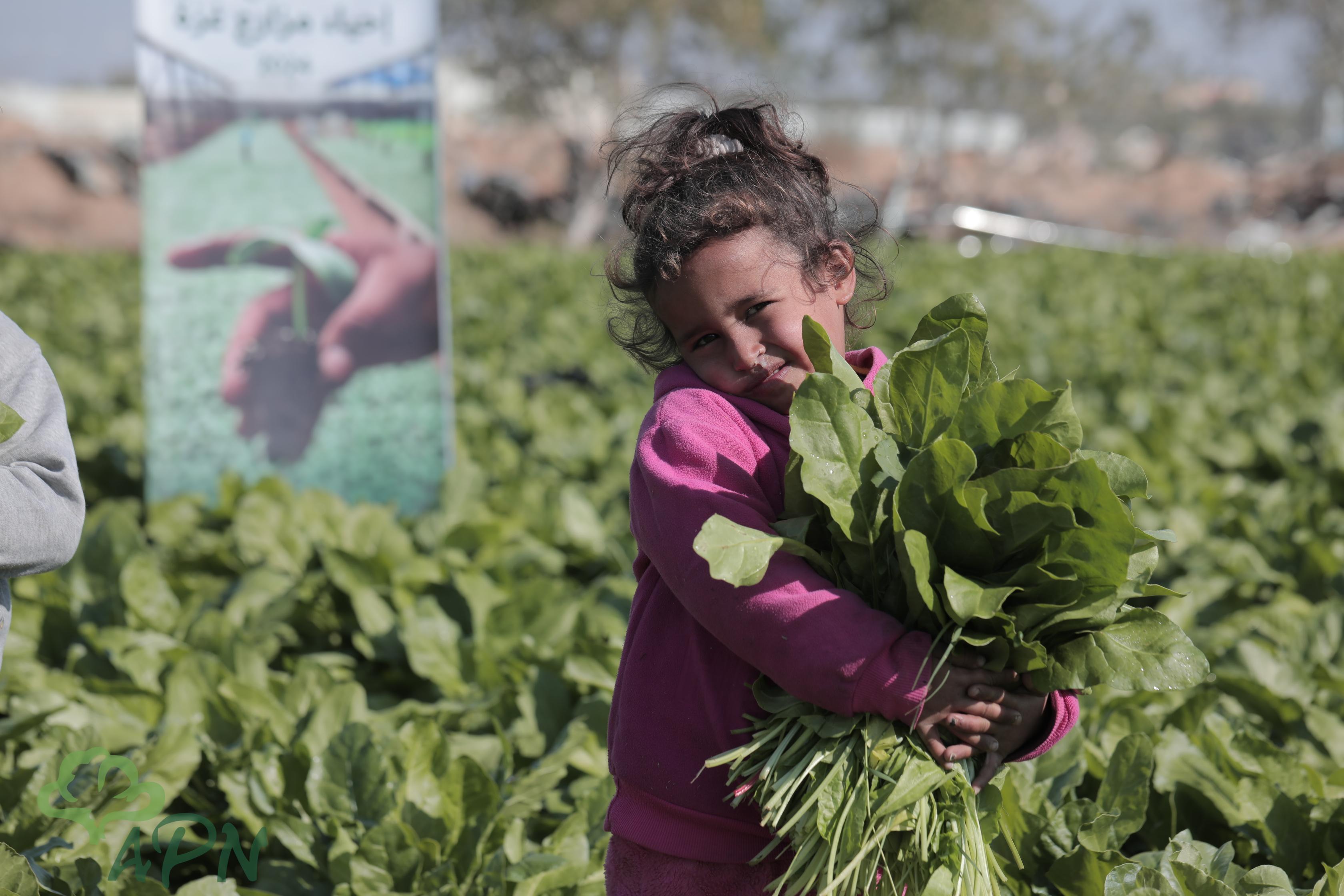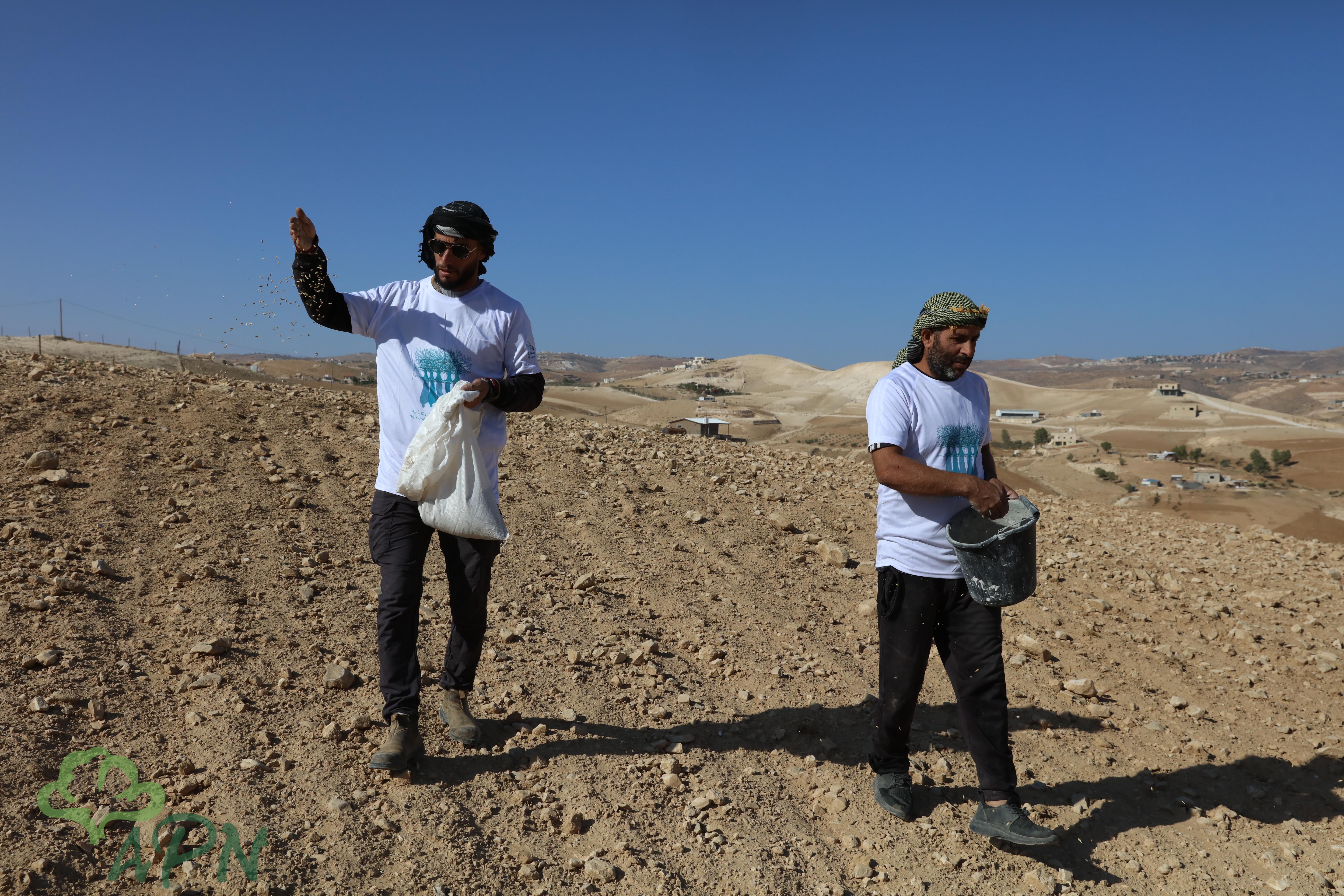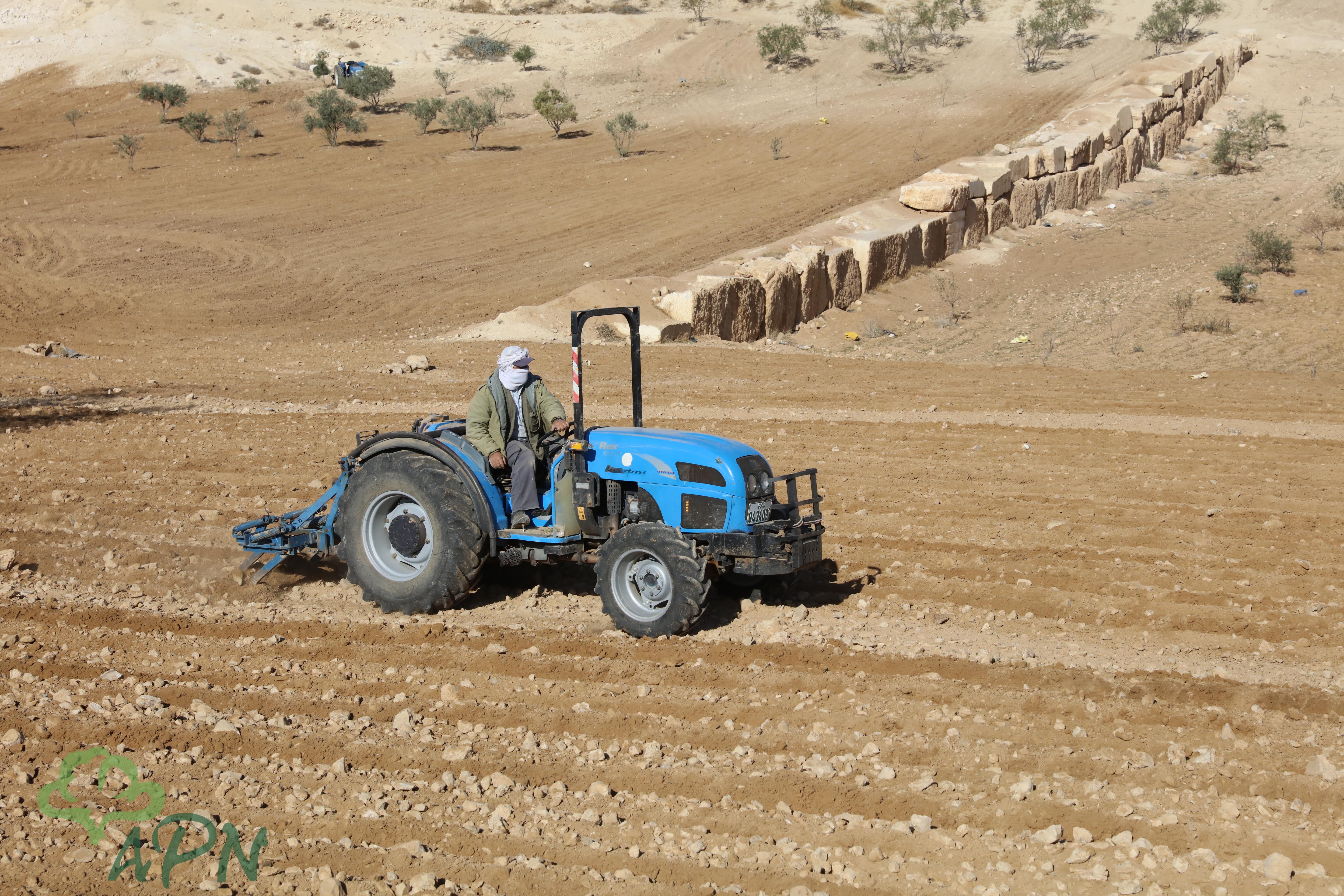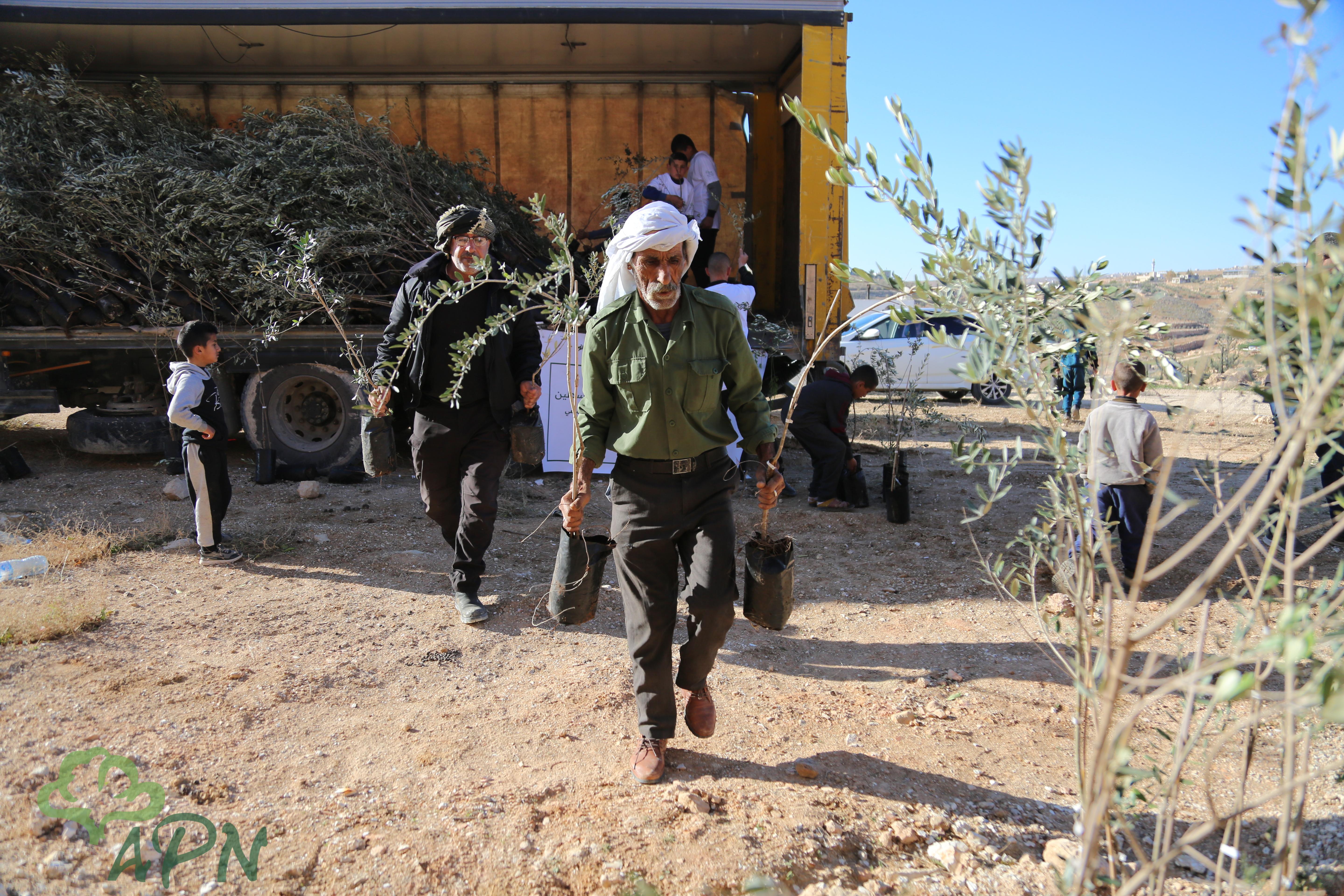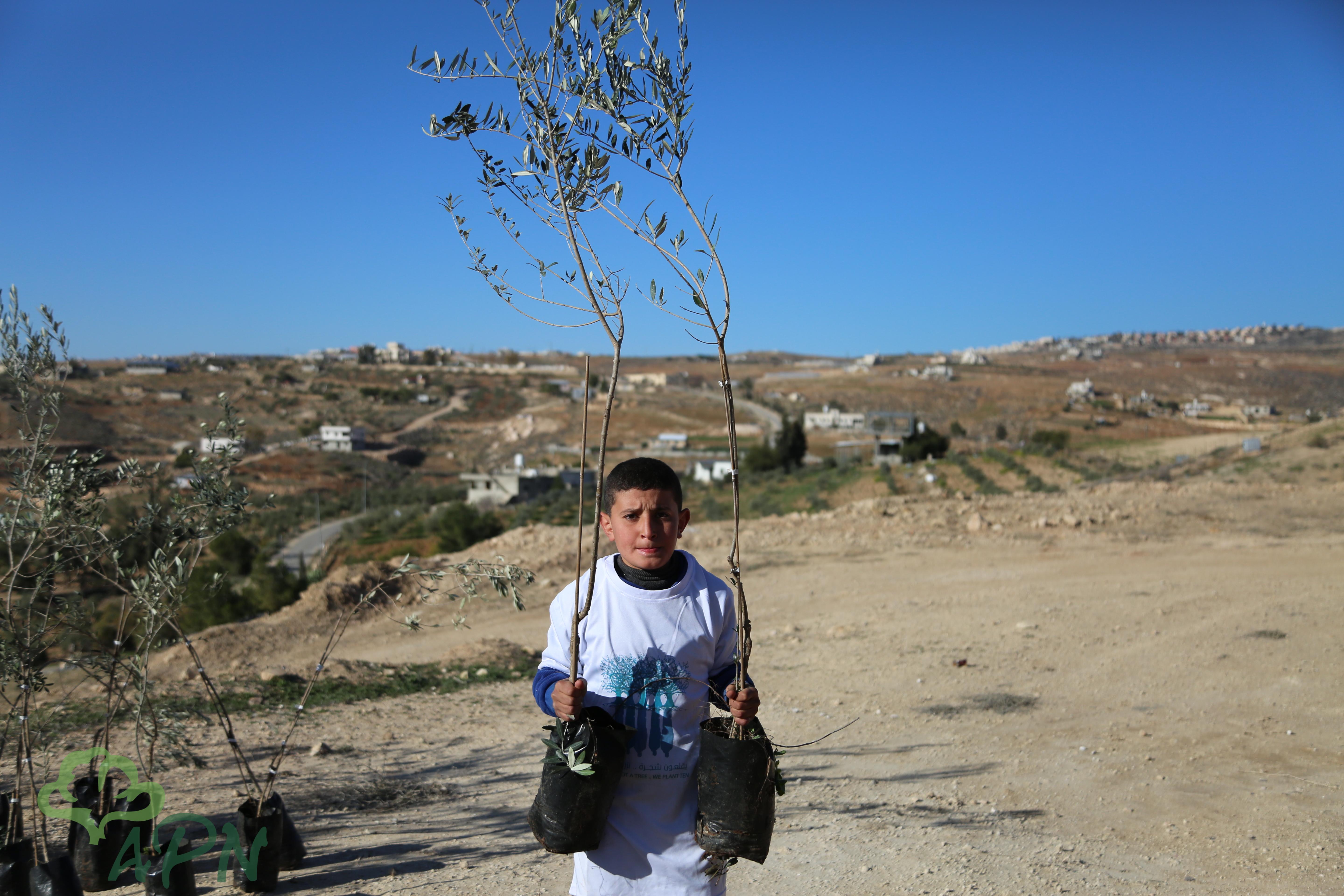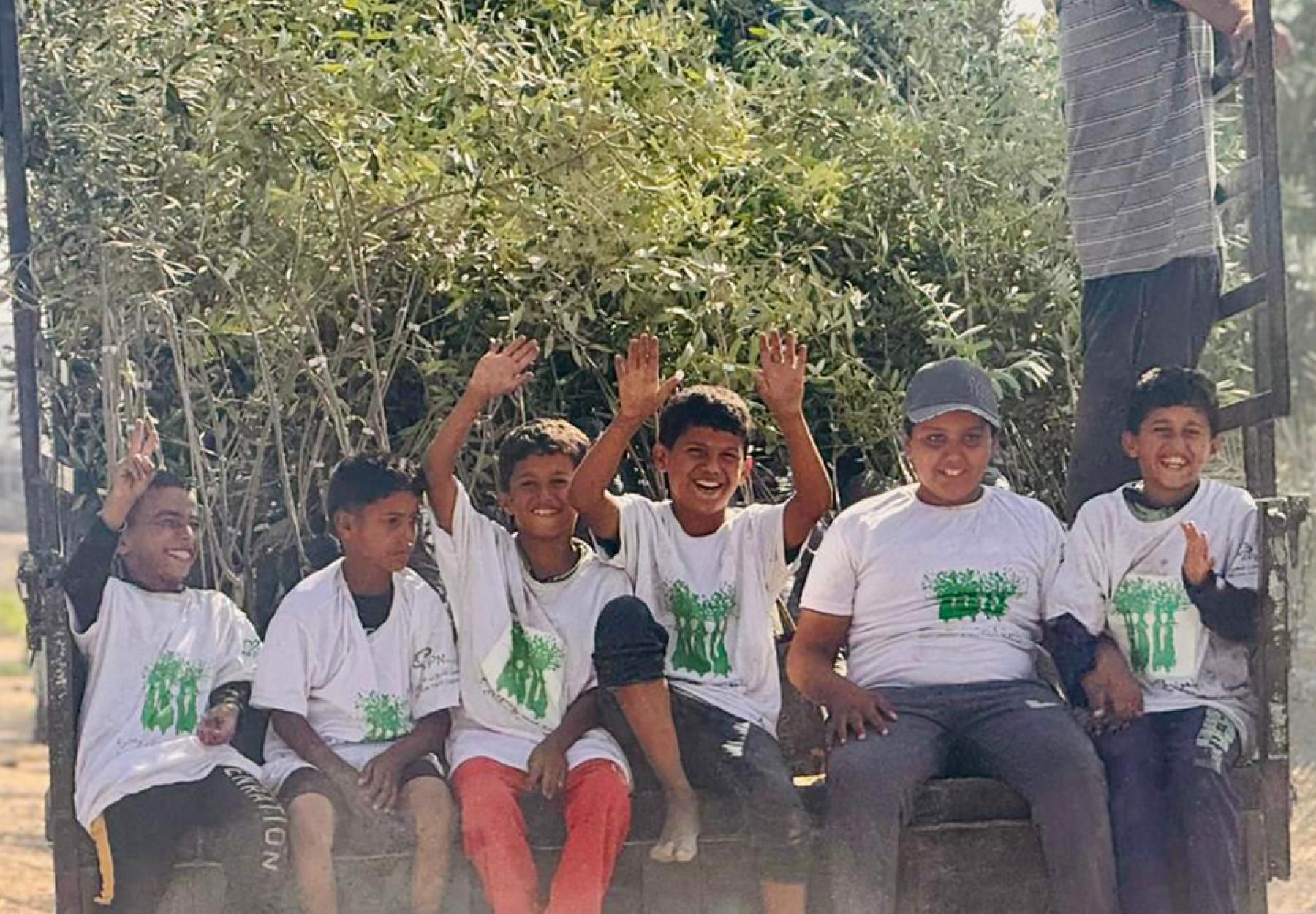
The “Revive Gaza’s Farmland” Project Expands Its Work to Plant Olive Trees and Wheat
With the firepower of over 13 Hiroshima-sized bombs, the occupation has damaged at least 87% of farmland, 87% of agricultural wells, and almost all fishing and animal farming infrastructure in Gaza. While bombardment is one face of genocide; the siege on seeds and basic agricultural inputs that carry the potential for regeneration is another. The result is the fastest starvation campaign recorded in modern history.
Despite 18 years of blockade and successive assaults leading up to the genocide, Gaza’s farmers have remained extraordinarily self-sufficient, producing 44% of local food needs prior to October 2023. APN has partnered with them throughout, planting 459,000 fruit trees and rebuilding agricultural infrastructure in green resistance.
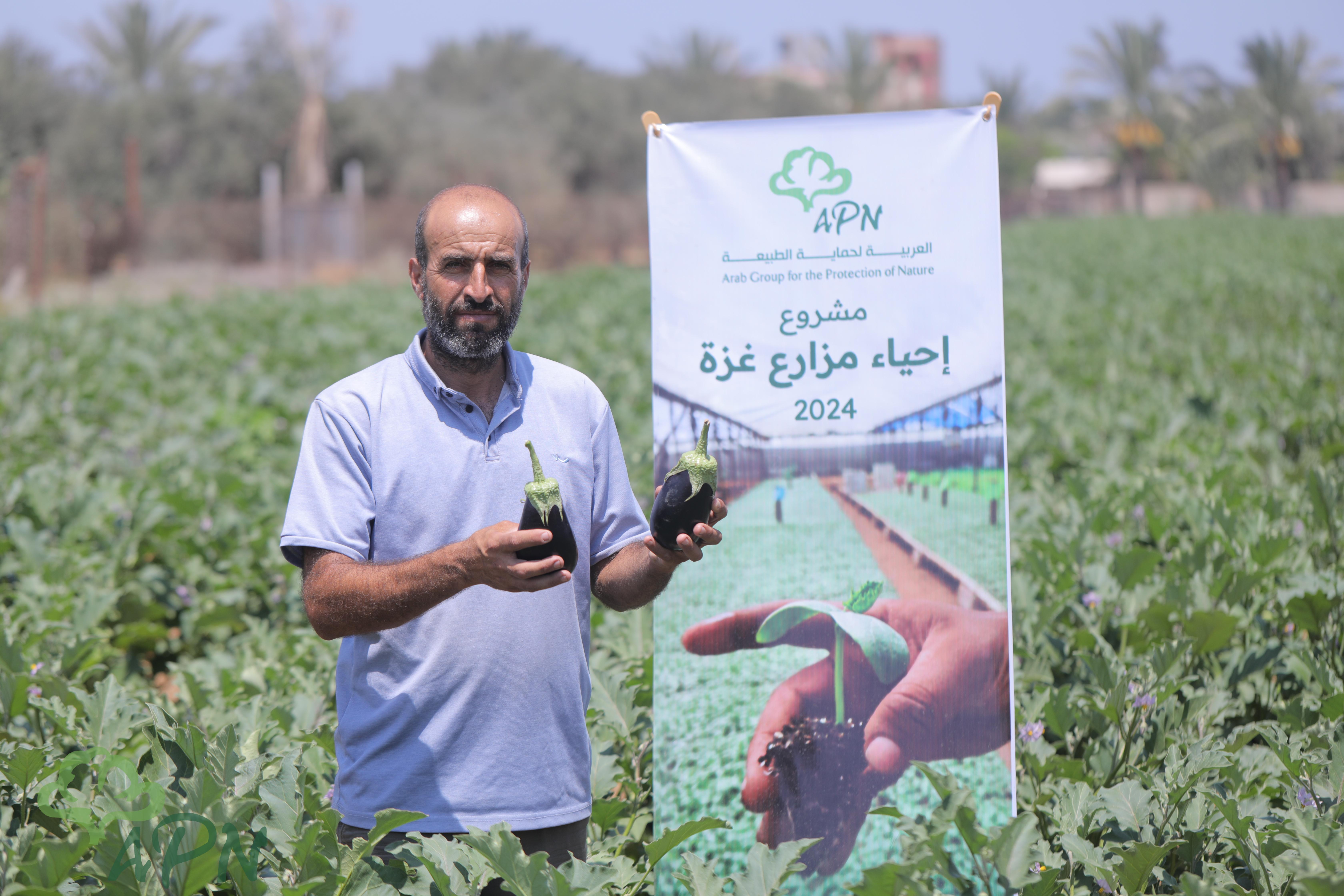
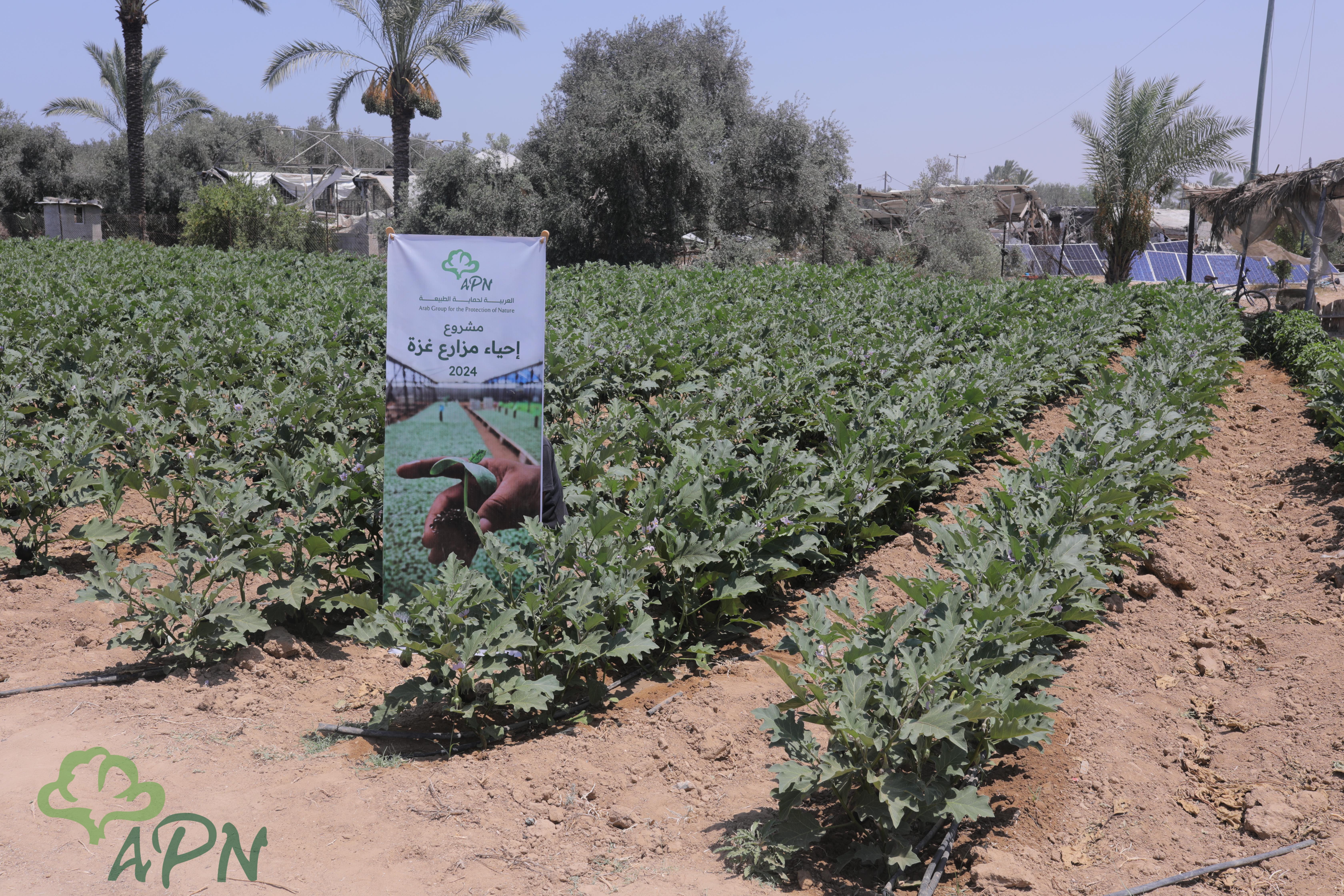
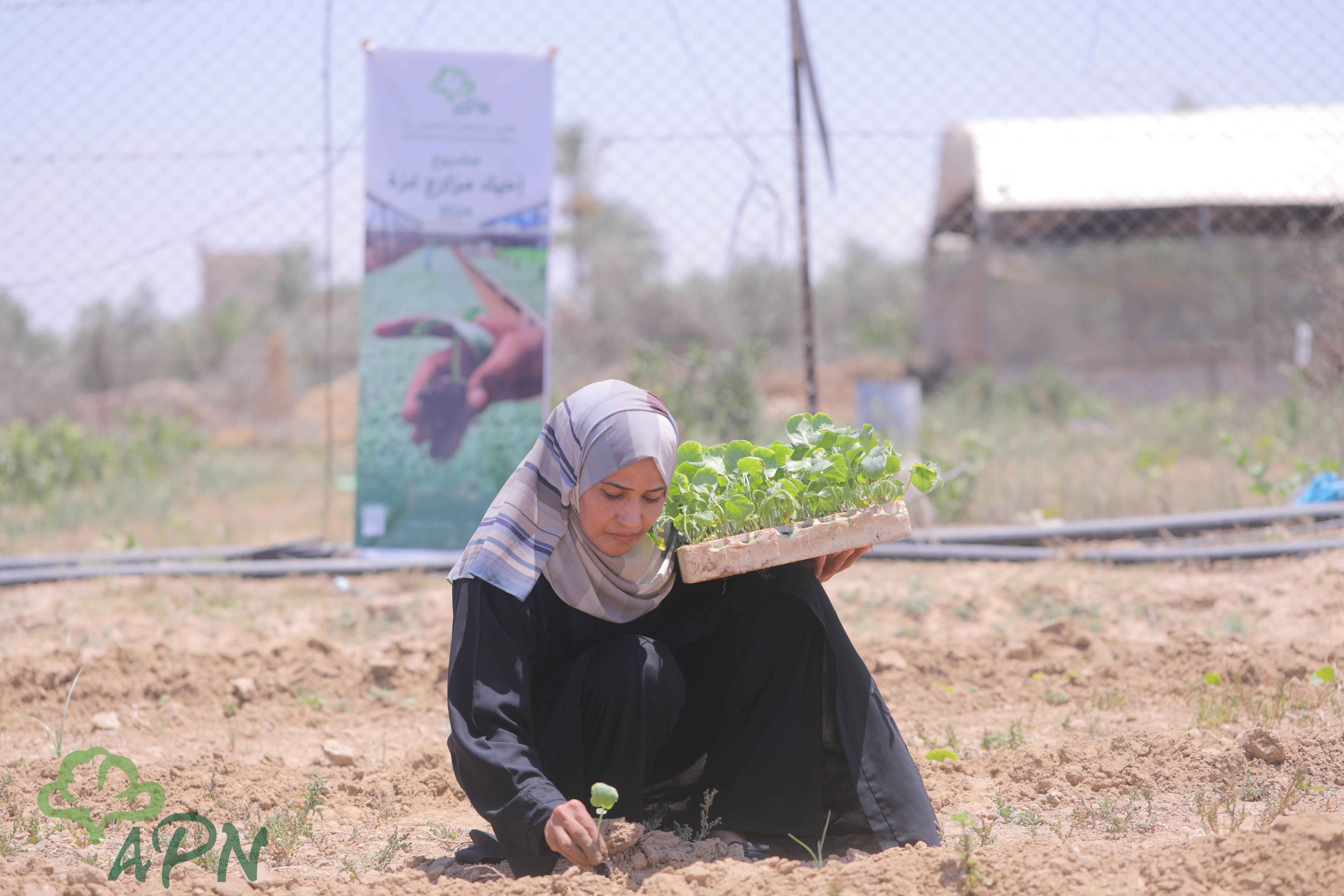
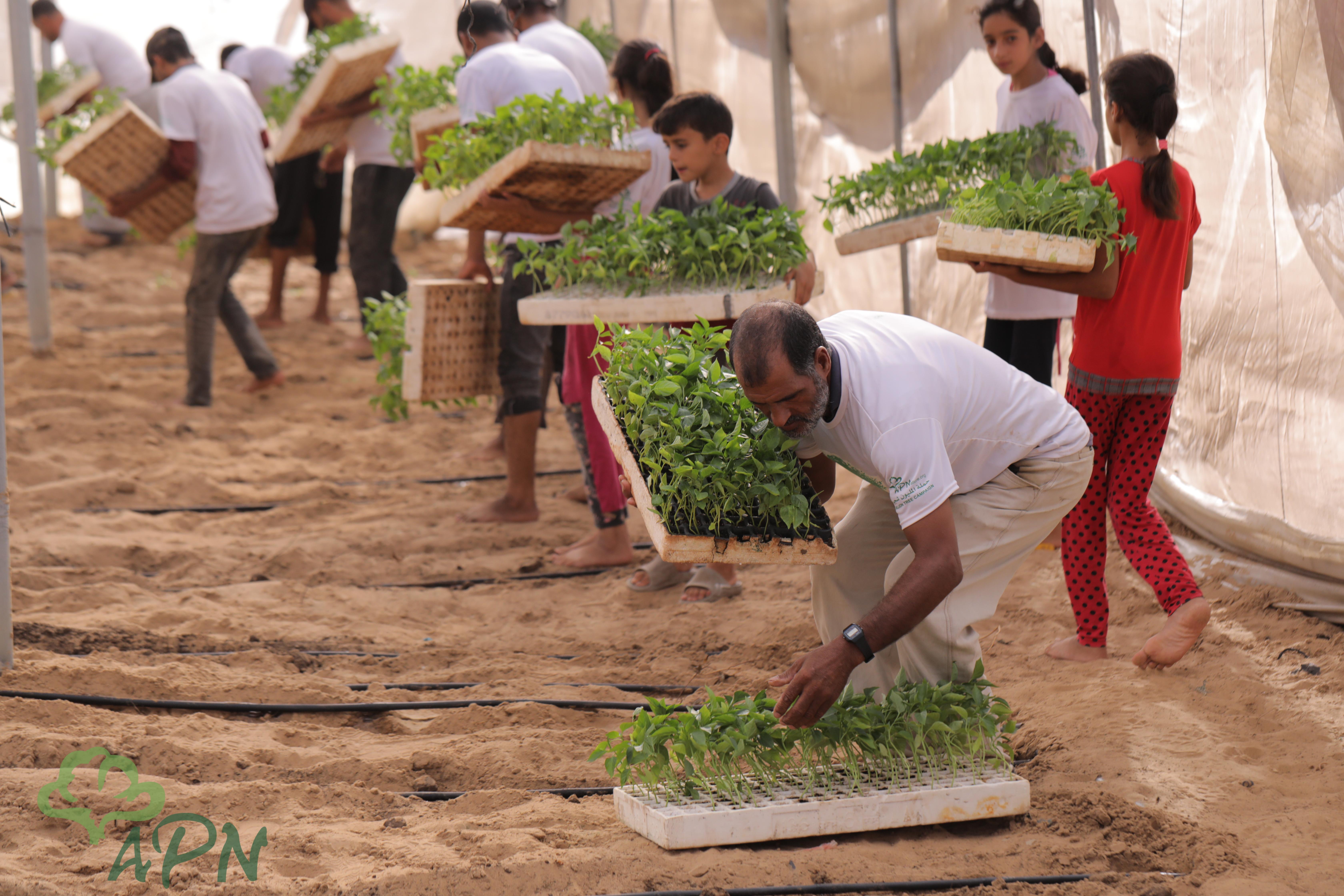
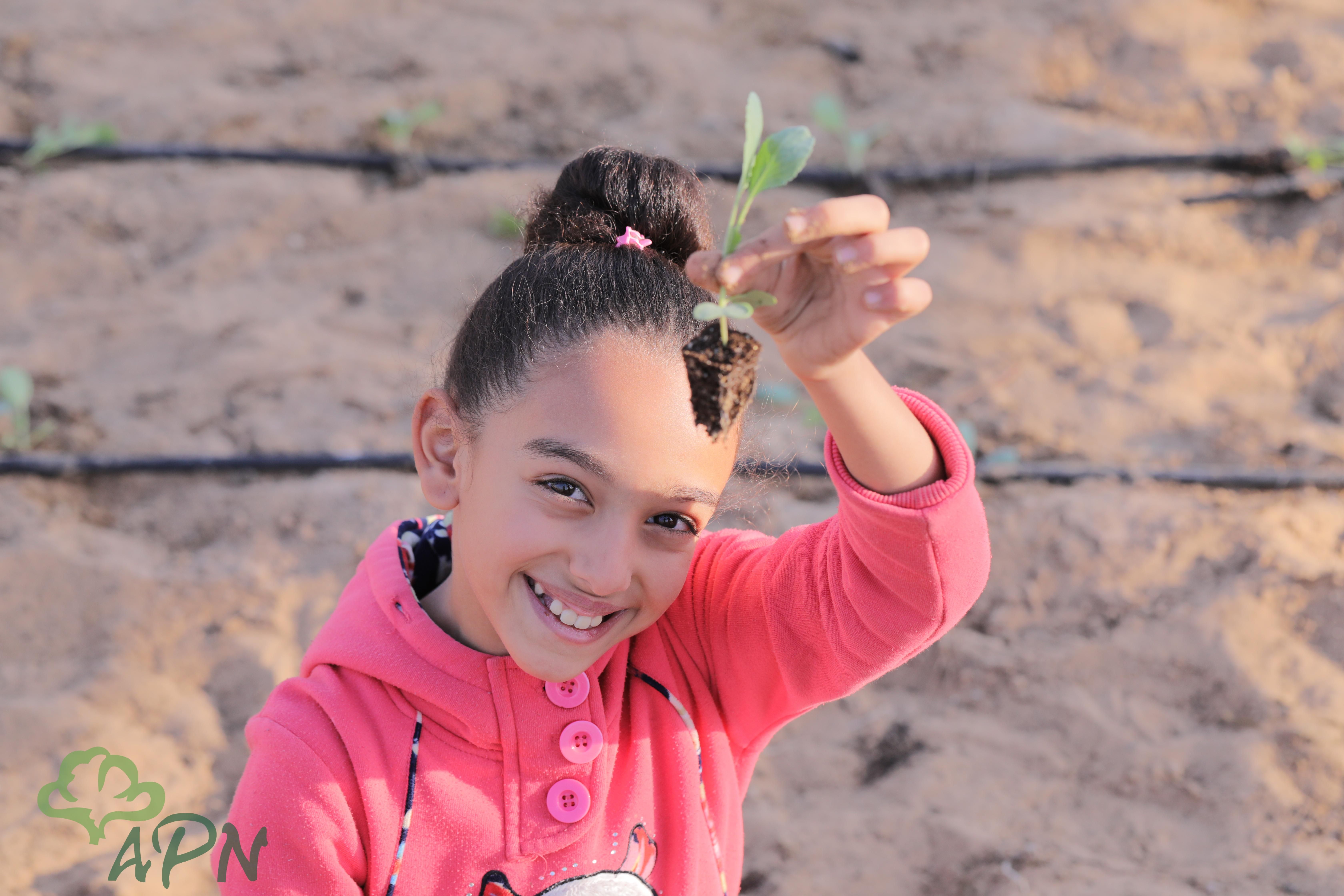
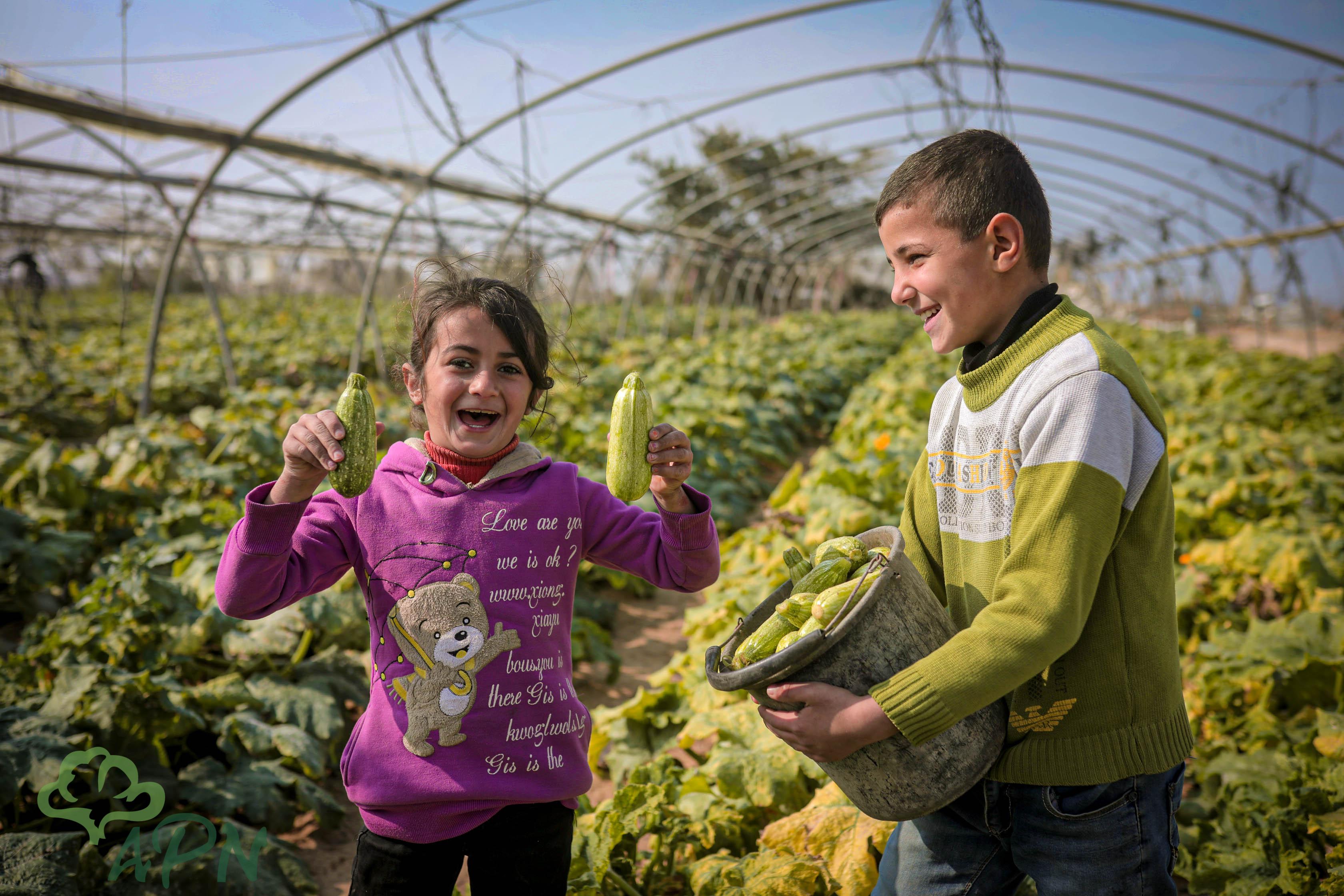
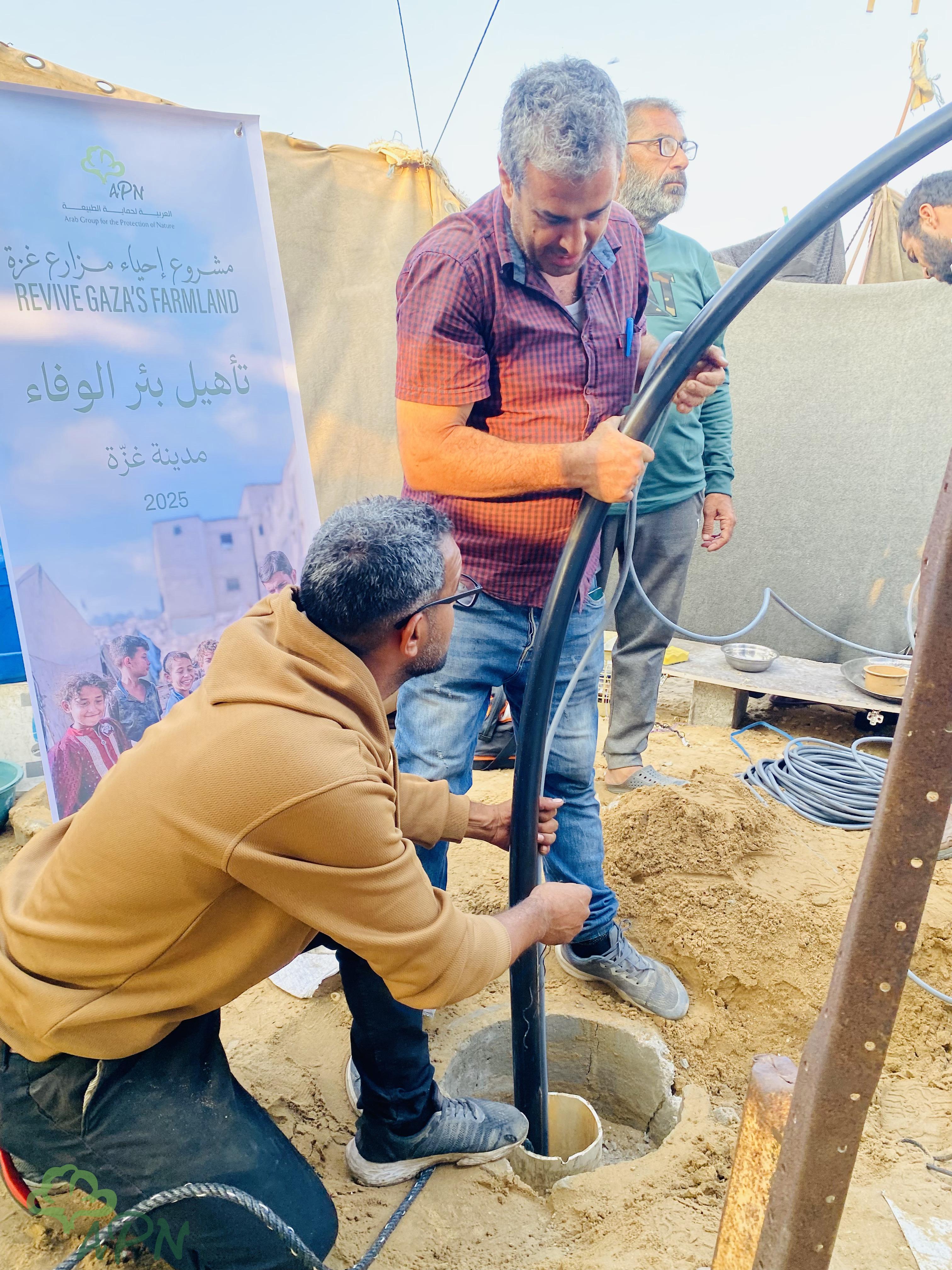
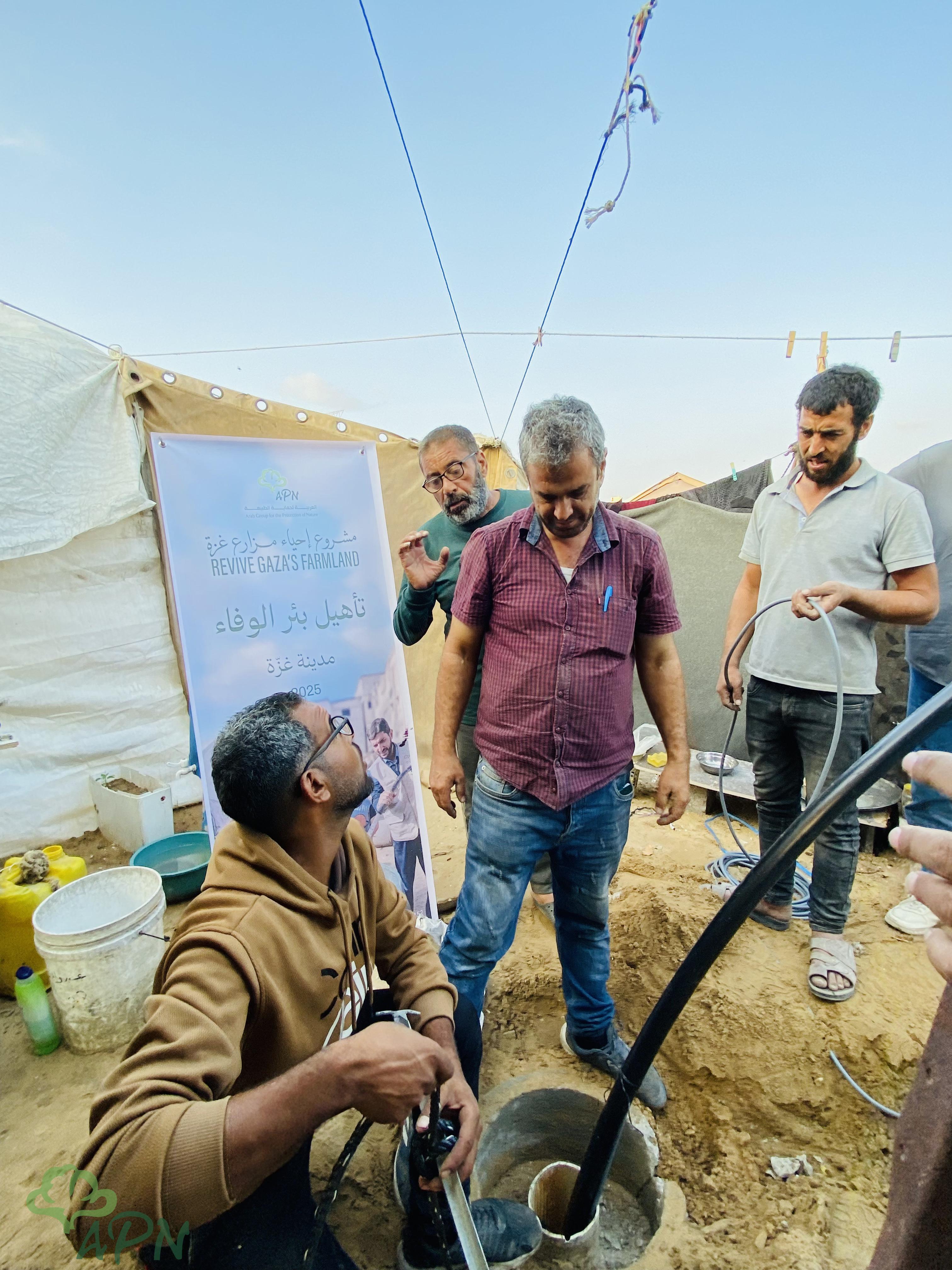
Launched in March 2024, APN’s Revive Gaza’s Farmland Project is a continuation of our green resistance and an urgent response to farmers calling to cultivate their land. While states and donors focused on humanitarian aid, APN rejected the narrative of “impossibility” and worked with farmers to utilize Gaza’s local agricultural capacities against the logic of siege and starvation.
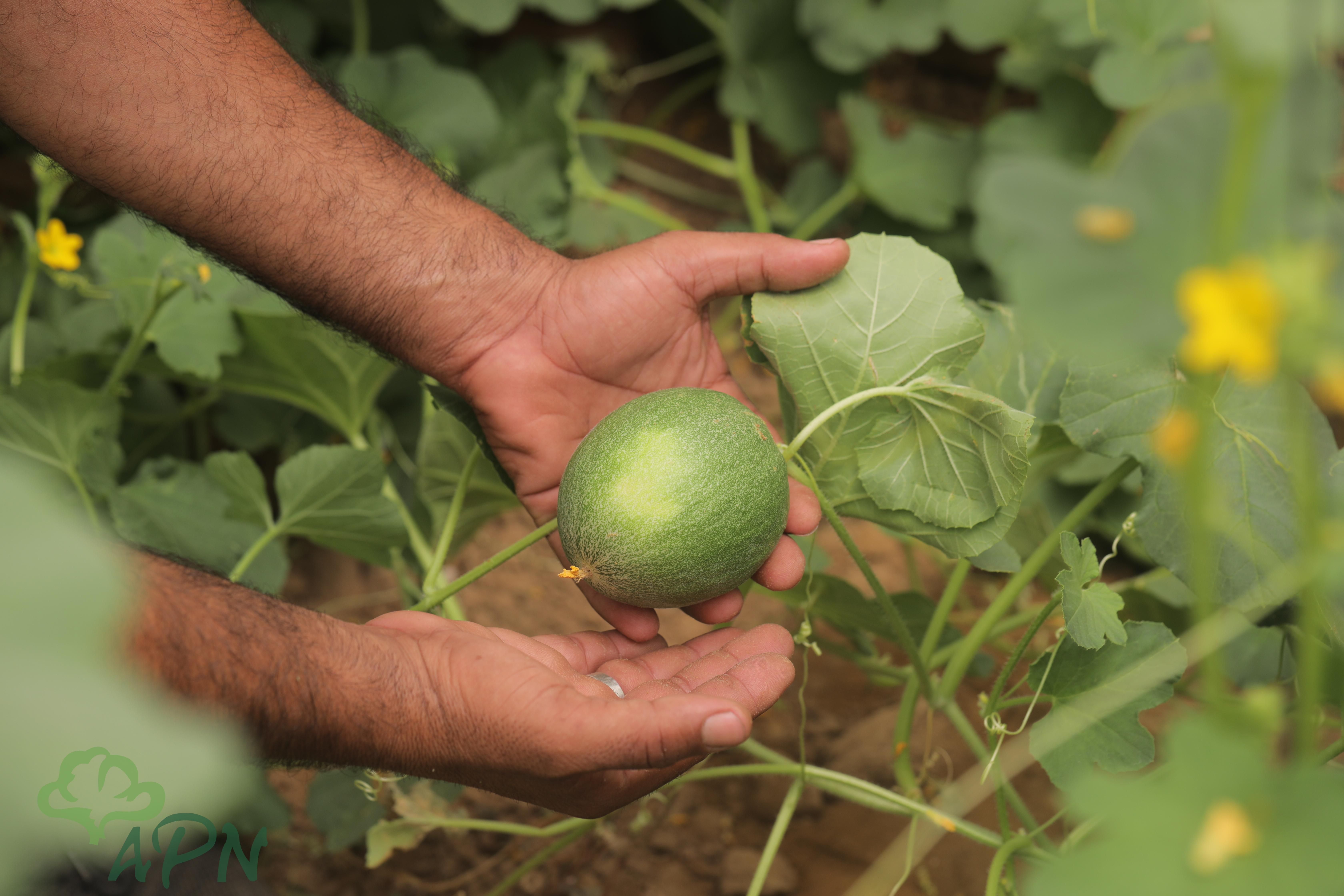
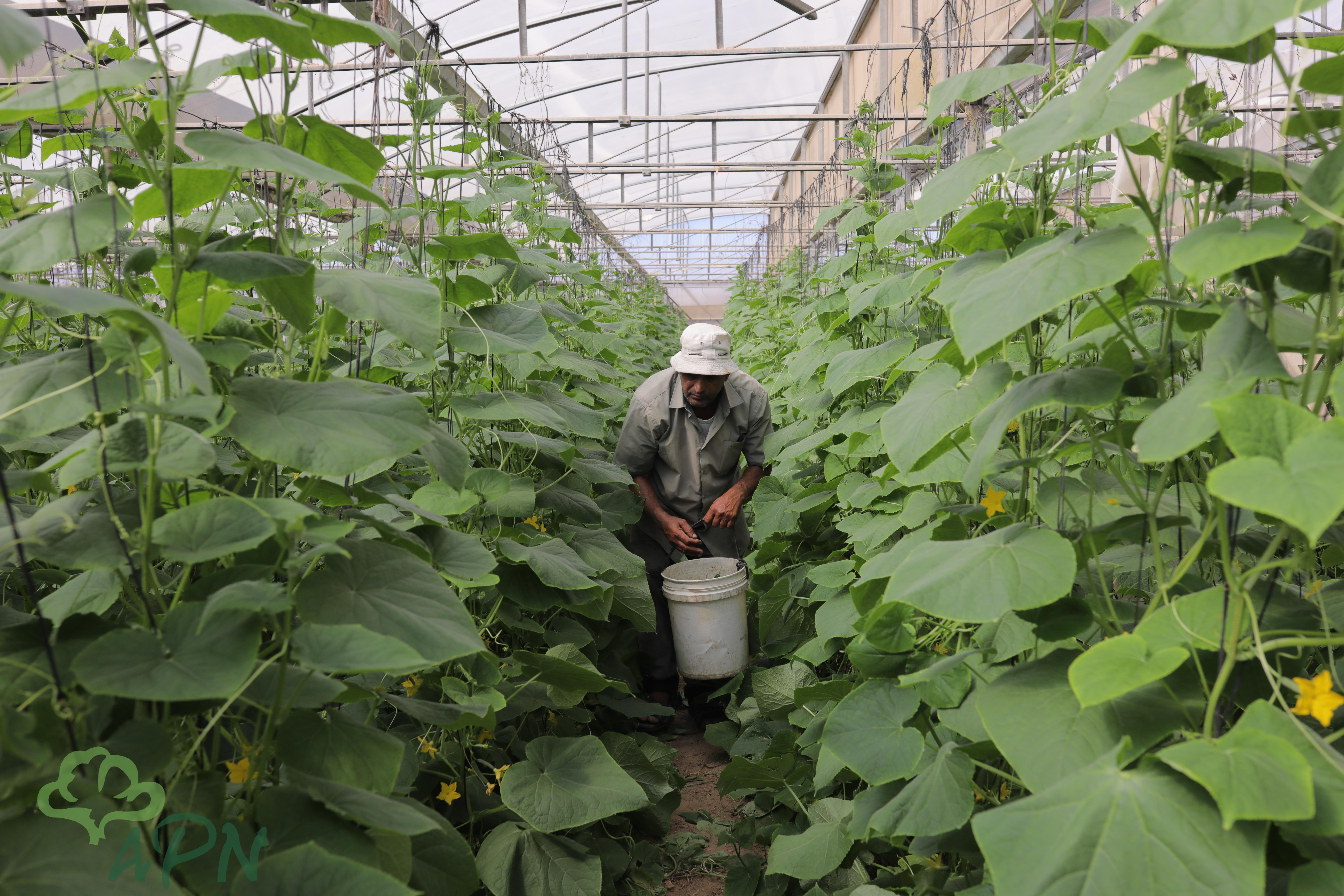
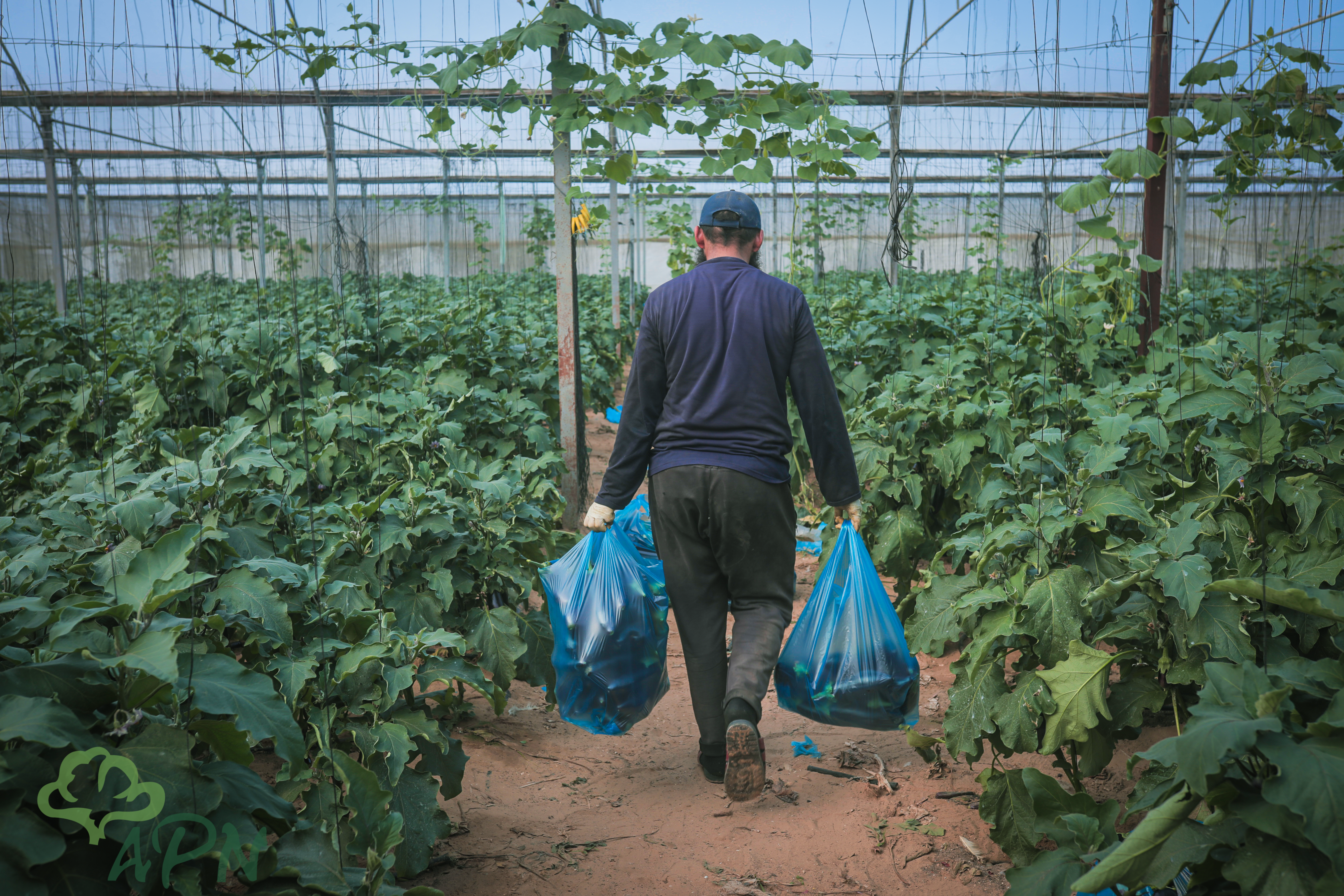
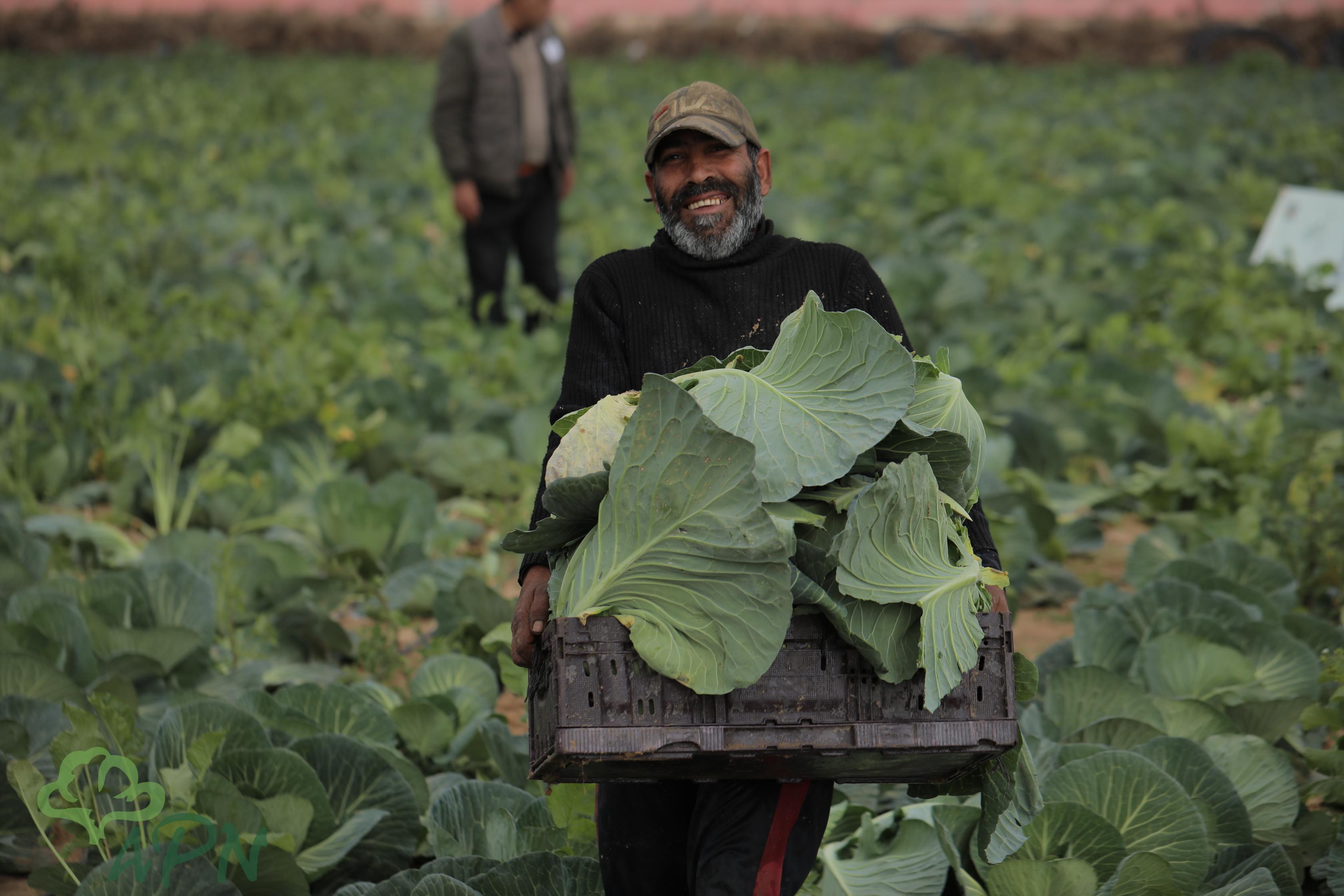
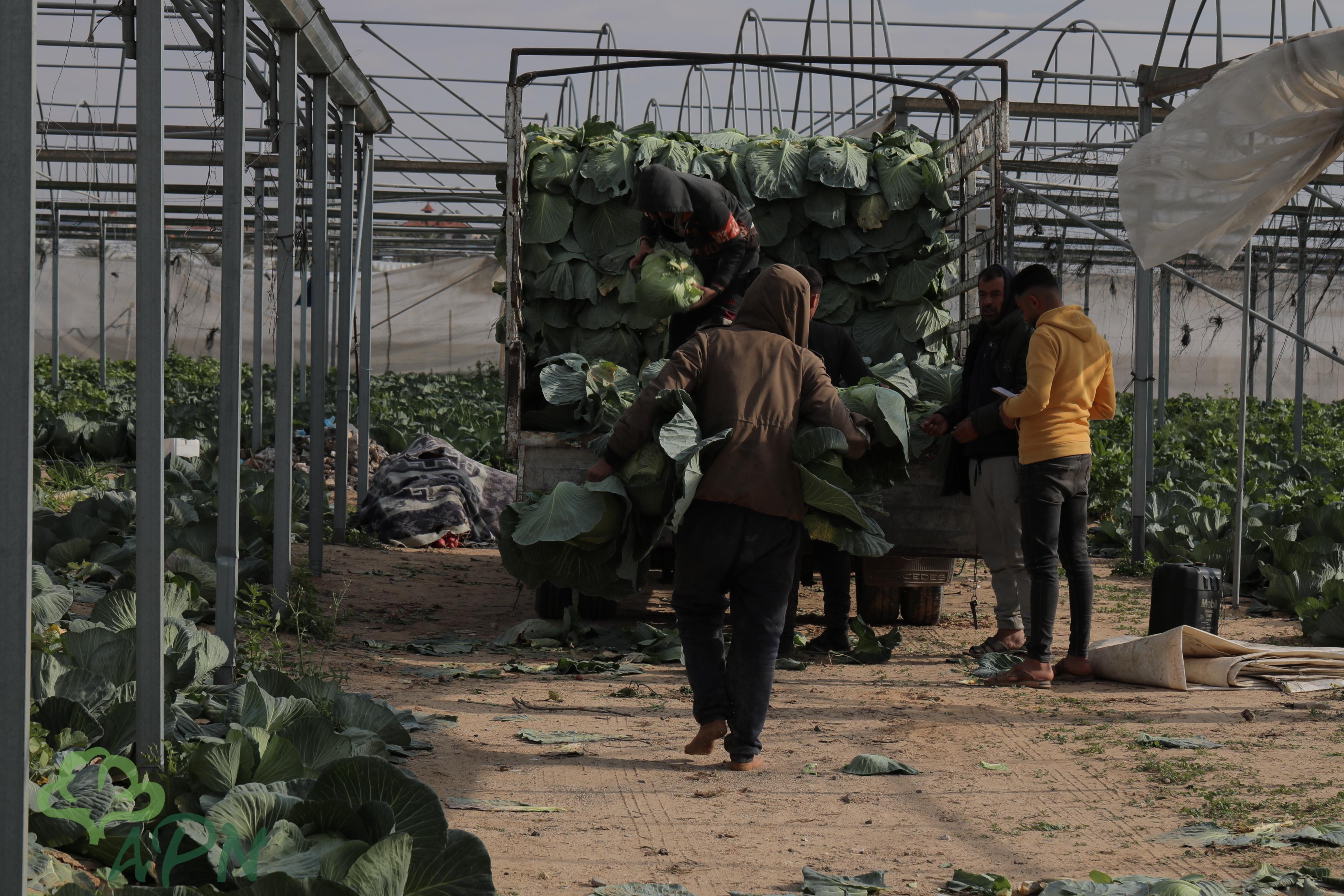
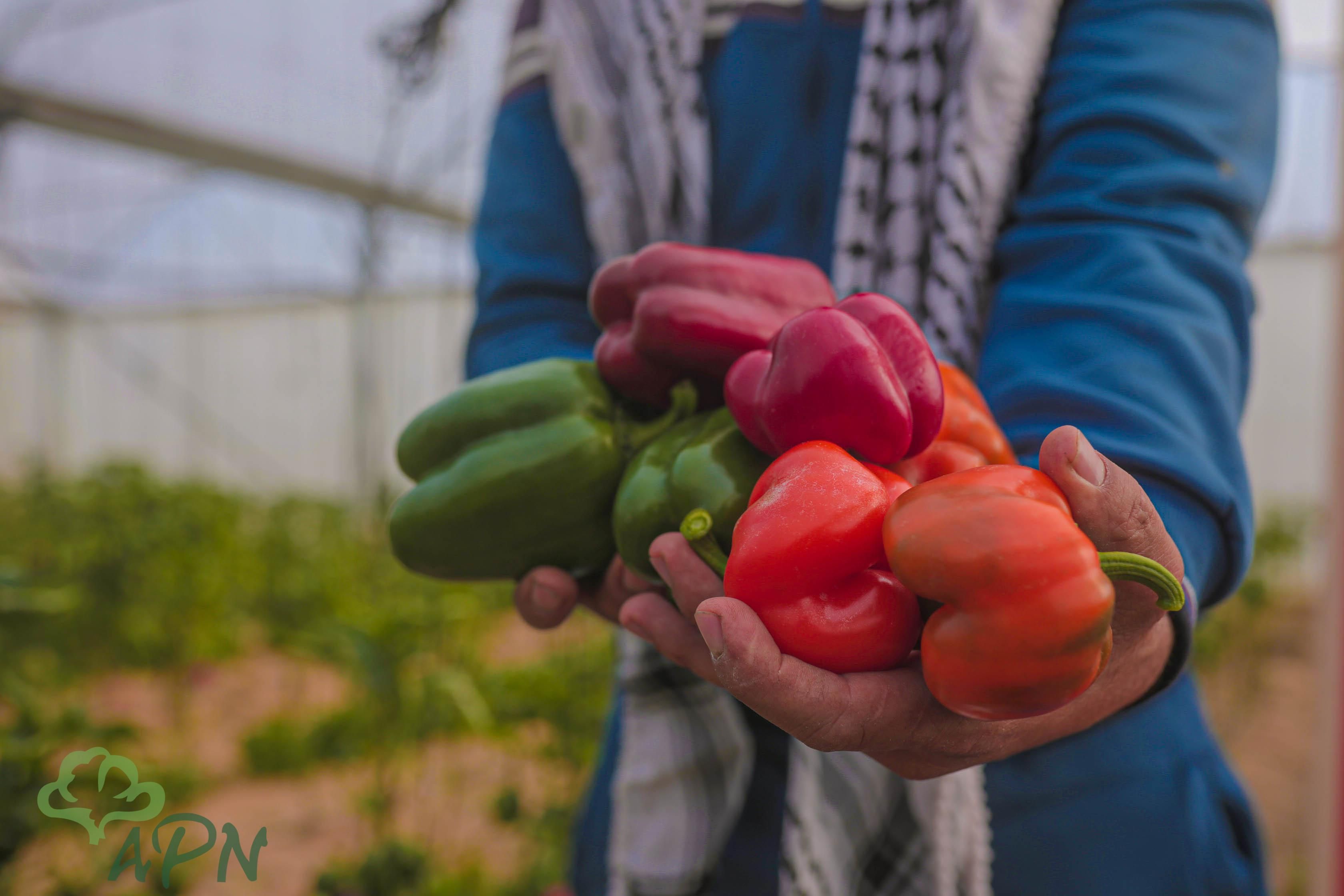
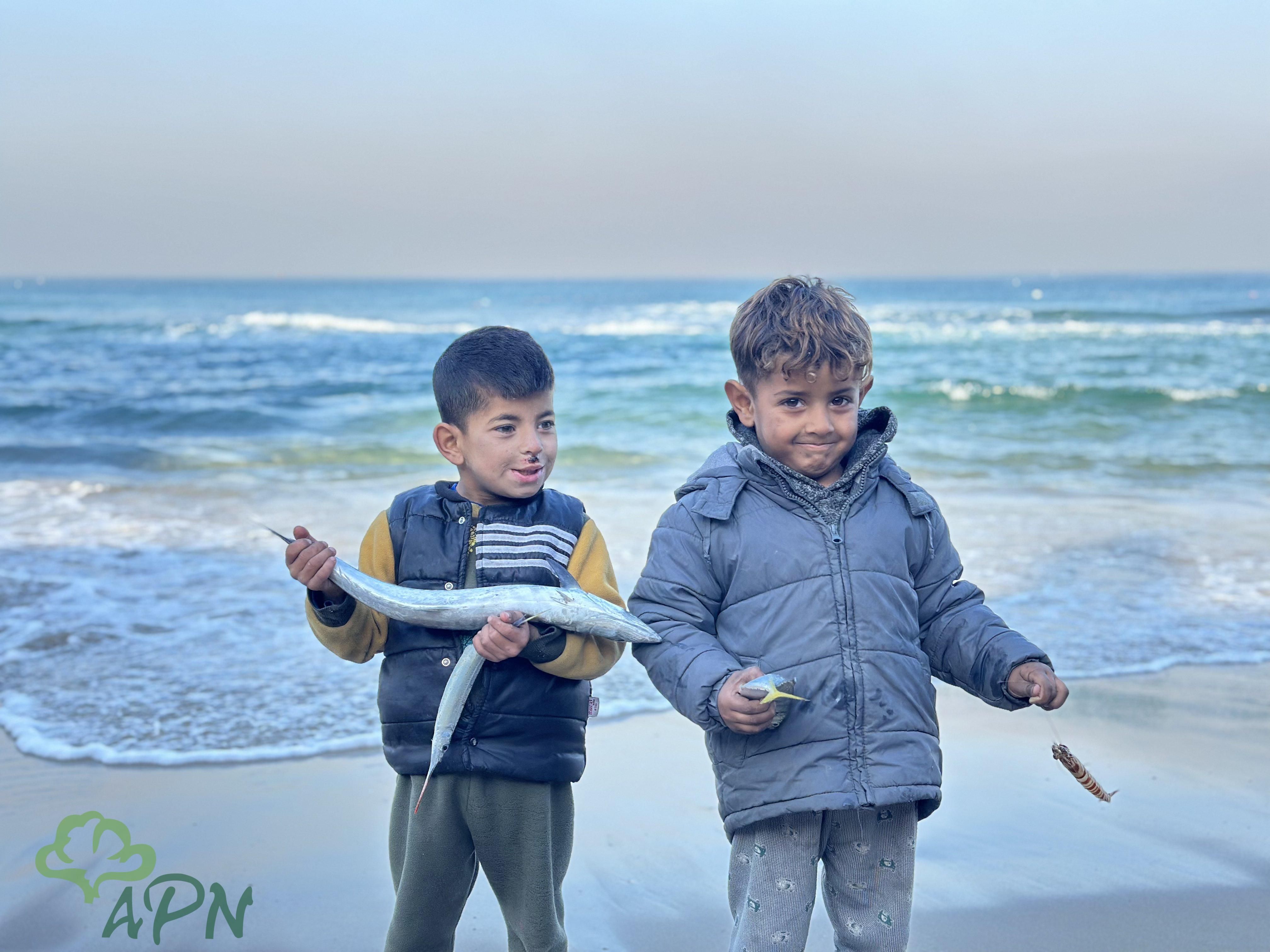
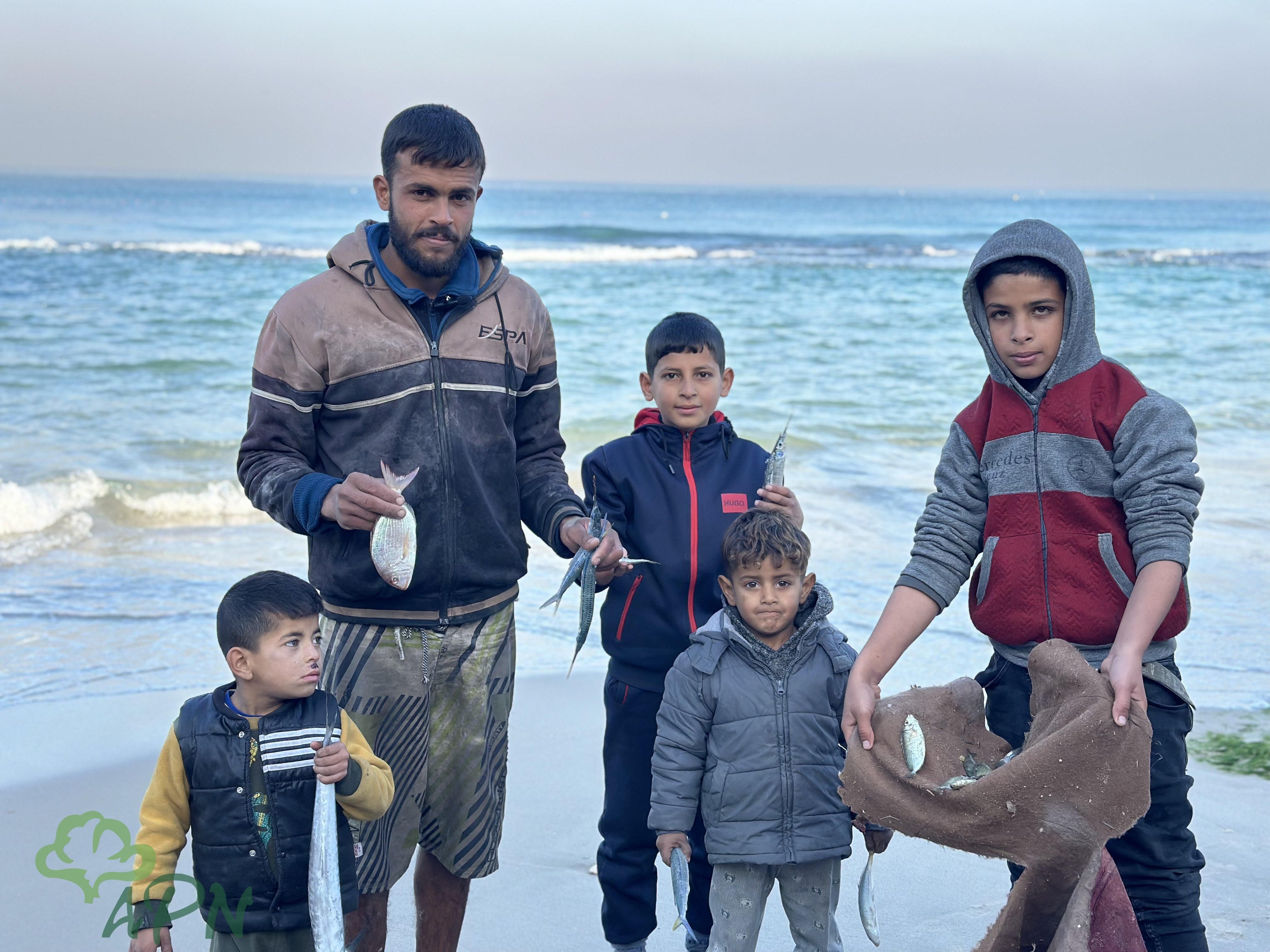
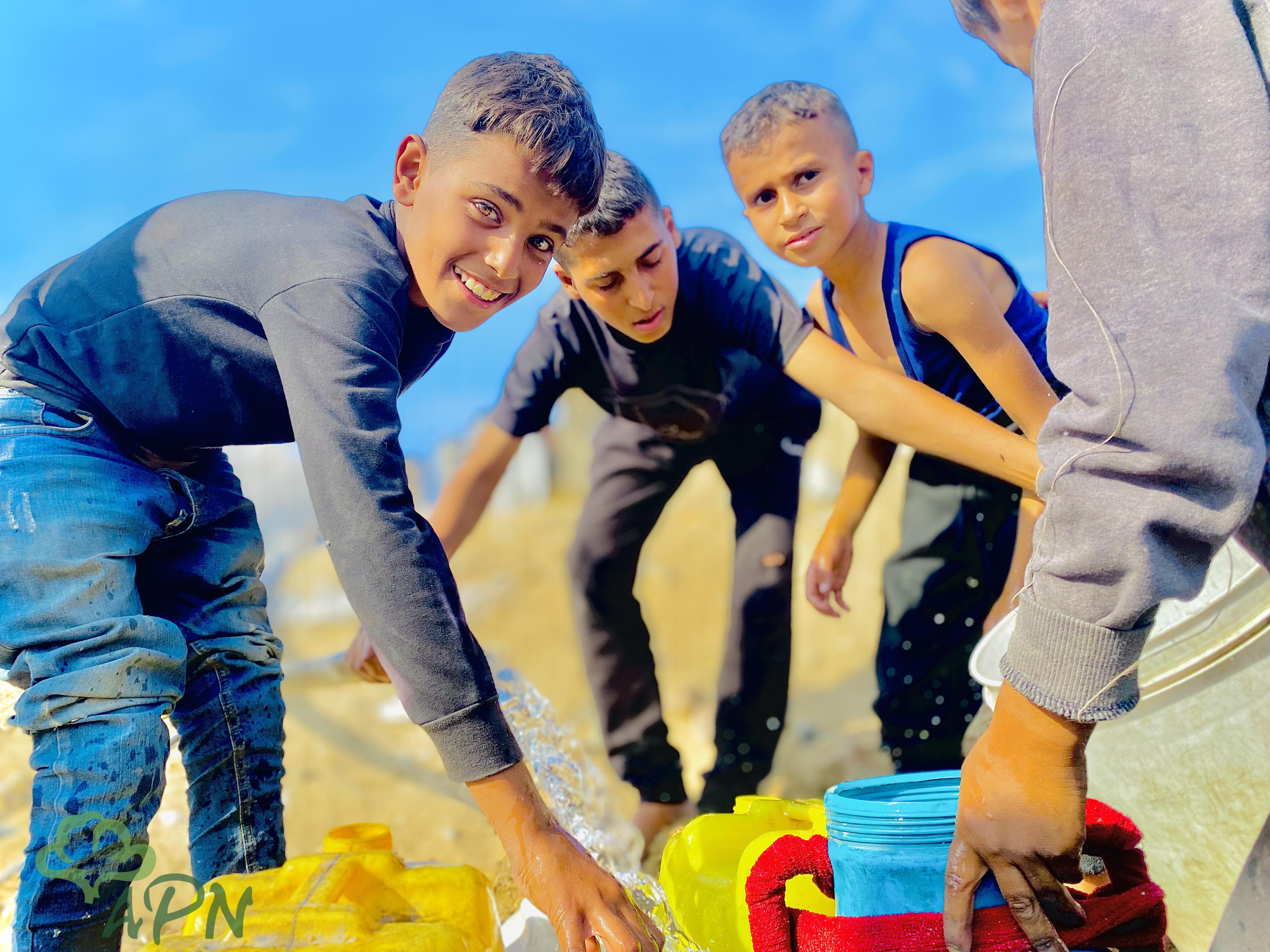
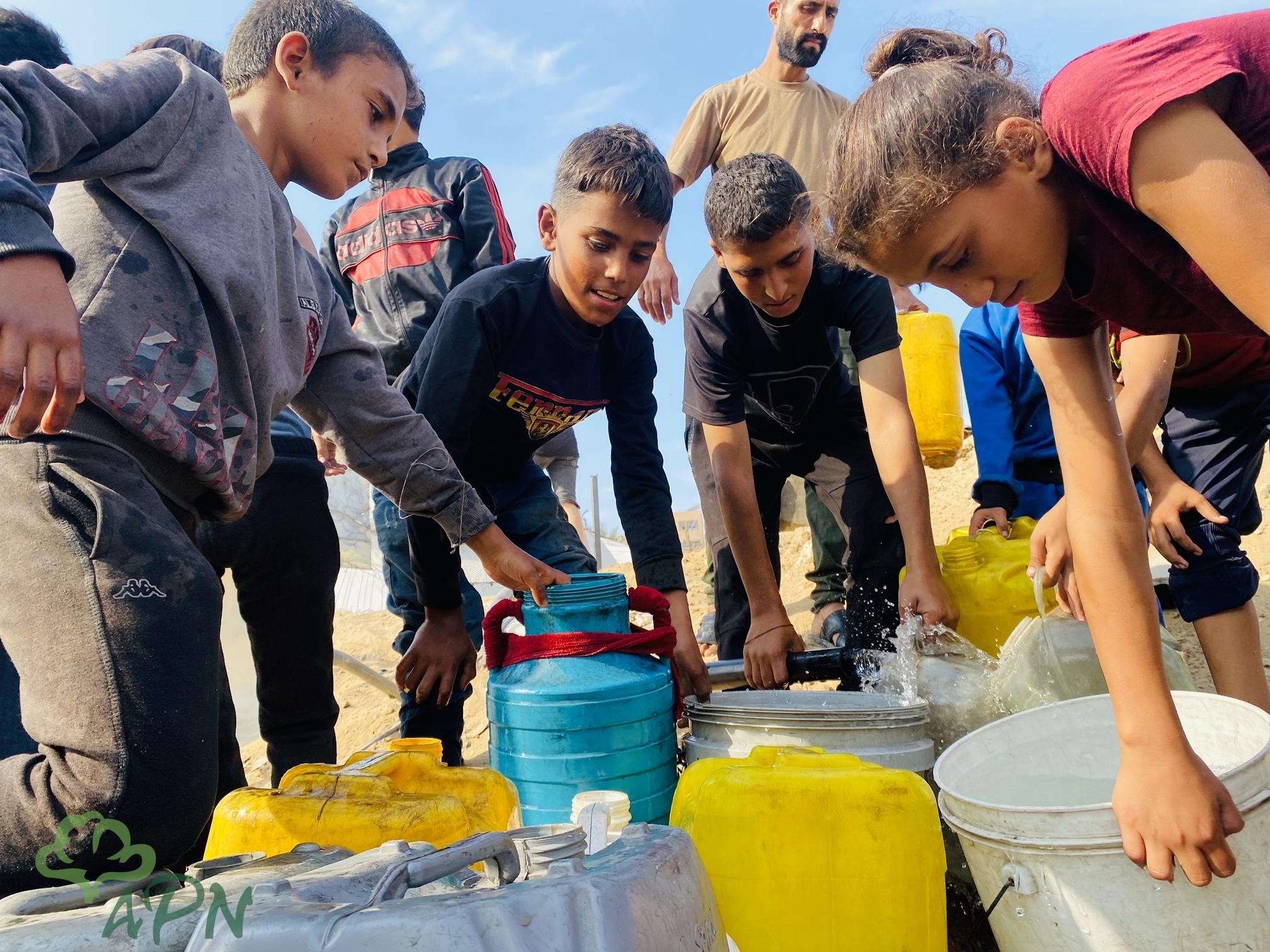
To date, APN has partnered with 790 farmers to restore 1,341 dunums of land, producing over seven million kilograms of vegetables. APN has also rebuilt essential agricultural infrastructure, including greenhouses and wells, and distributed fishing nets, poultry, and baskets of fresh produce through its “From the Besieged Farmer to the Besieged Family” initiative. By increasing the availability of fresh produce, these efforts have helped reduce market prices. At times, tomatoes dropped from 80 shekels to 30, and aubergines from 30 shekels to 18.
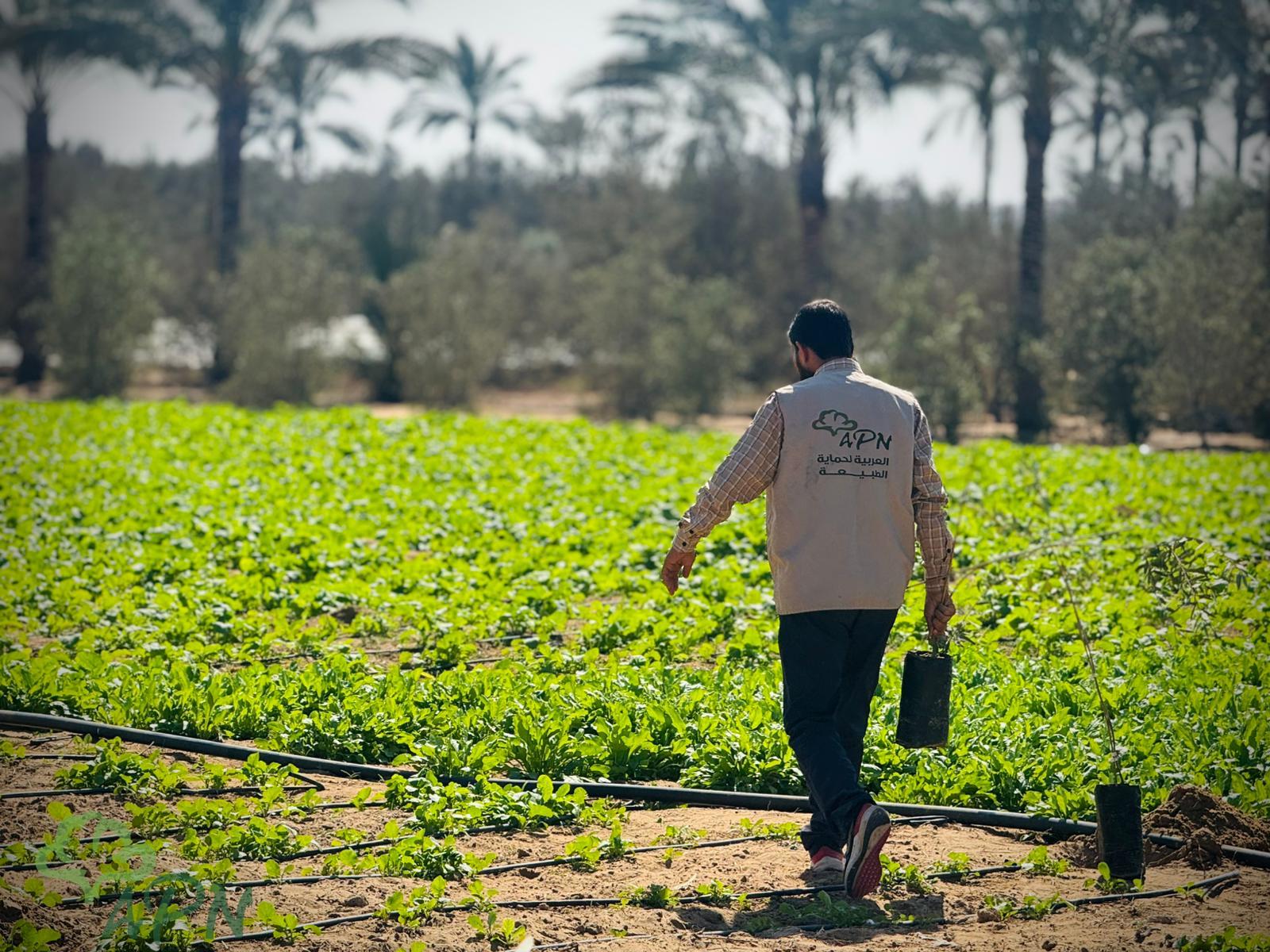
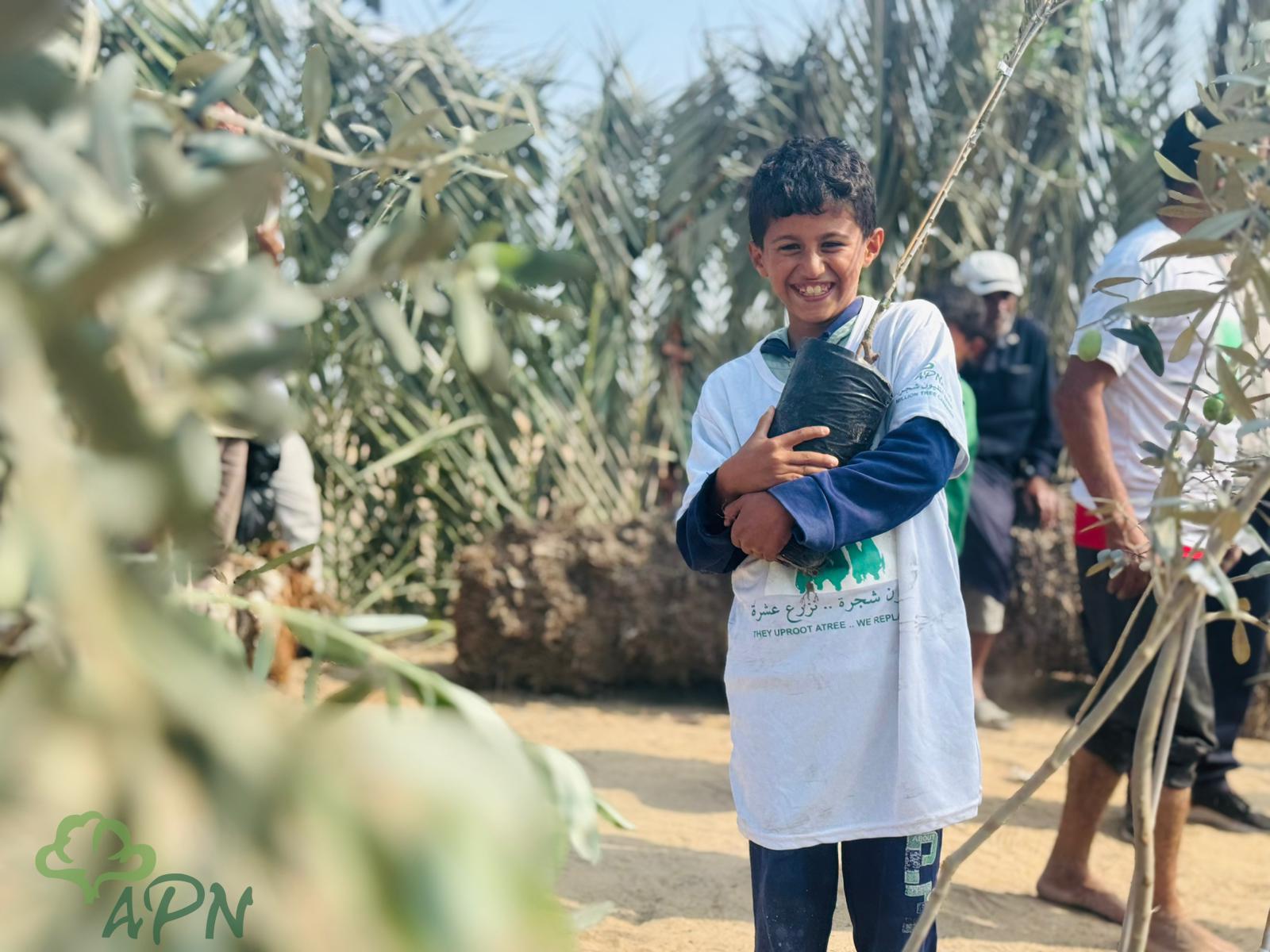
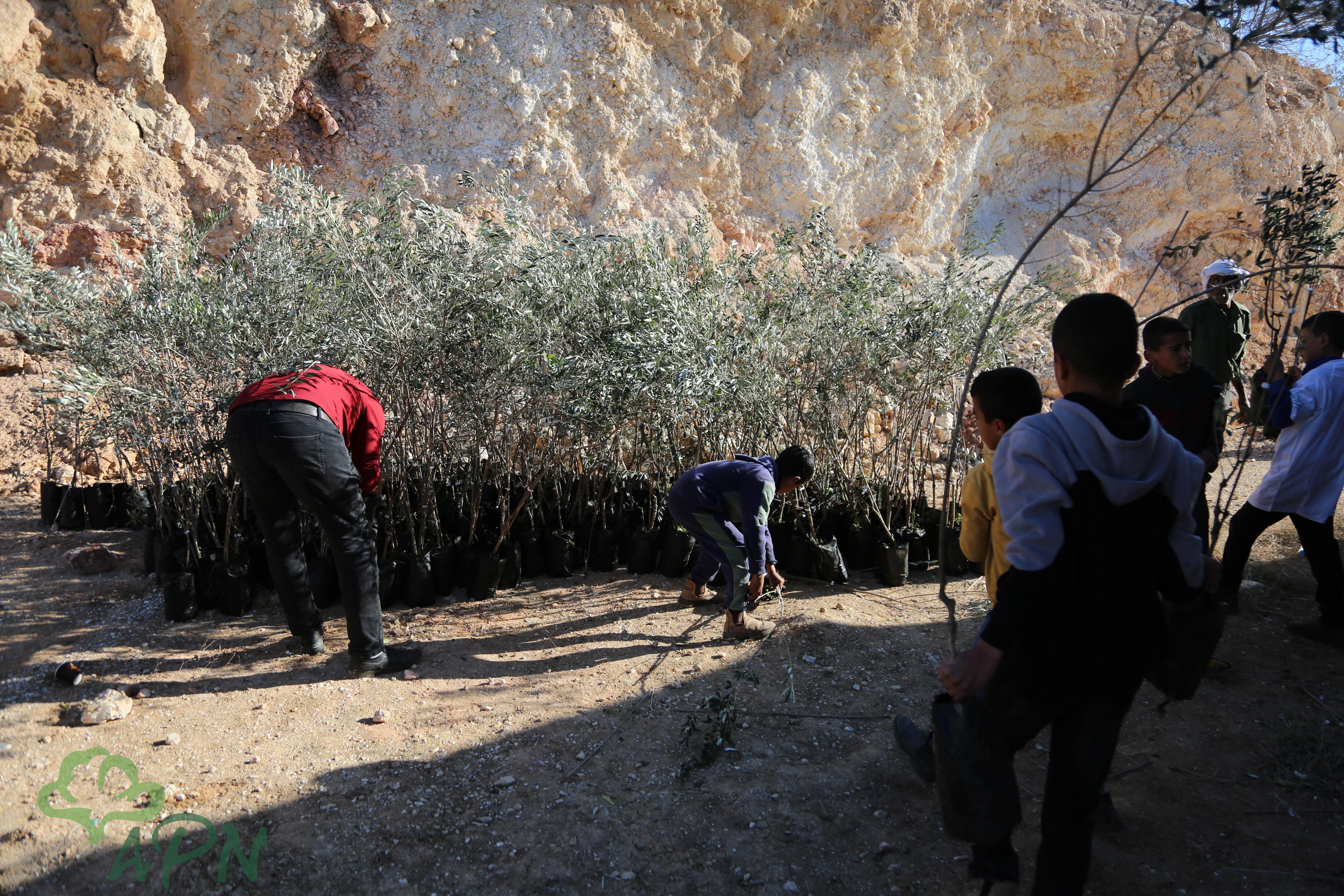
APN is currently cultivating an additional 90 dunums and has begun planting 30,000 olive trees, alongside implementing a rotating seed system that redistributes seeds saved from each harvest to other farmers, strengthening Gaza’s local food system on all fronts.
Since the ceasefire, the FAO reports that 37% of damaged cropland is now accessible, with 6,000 dunums ready for immediate cultivation. APN stands ready to coordinate the restoration of local food systems that are not only resistant to the immediate weaponisation of food, but the structures of displacement unfolding under the screen of “ceasefire” and “peace” plans.
The West Bank: Fortifying Sumod Against Colonial Odds
In the West Bank, the occupation is accelerating the depopulation and isolation of Palestinian villages. Since October 2023, 48,728 trees have been damaged, alongside the record seizure of 55,000 dunums of land, and the creation of 25 buffer zones. Full village closures have also become an increasingly frequent reality to make life for Palestinians unbearable as a means of forcing their displacement. By suffocating access to land, water, and agricultural inputs, the occupation can rapidly engineer starvation conditions, mirroring the tactics deployed in Gaza.
APN and its supporters initiated the "Cultivating Sumod in the West Bank” project to confront this architecture by creating highly tailored, holistic and self-sufficient food systems in villages under urgent threat of strangulation.
Farmers from our pilot village said, “...We can’t move anywhere. If they (IOF) decide to close the road, you can’t go anywhere. So, one must find ways to be self-sufficient.”
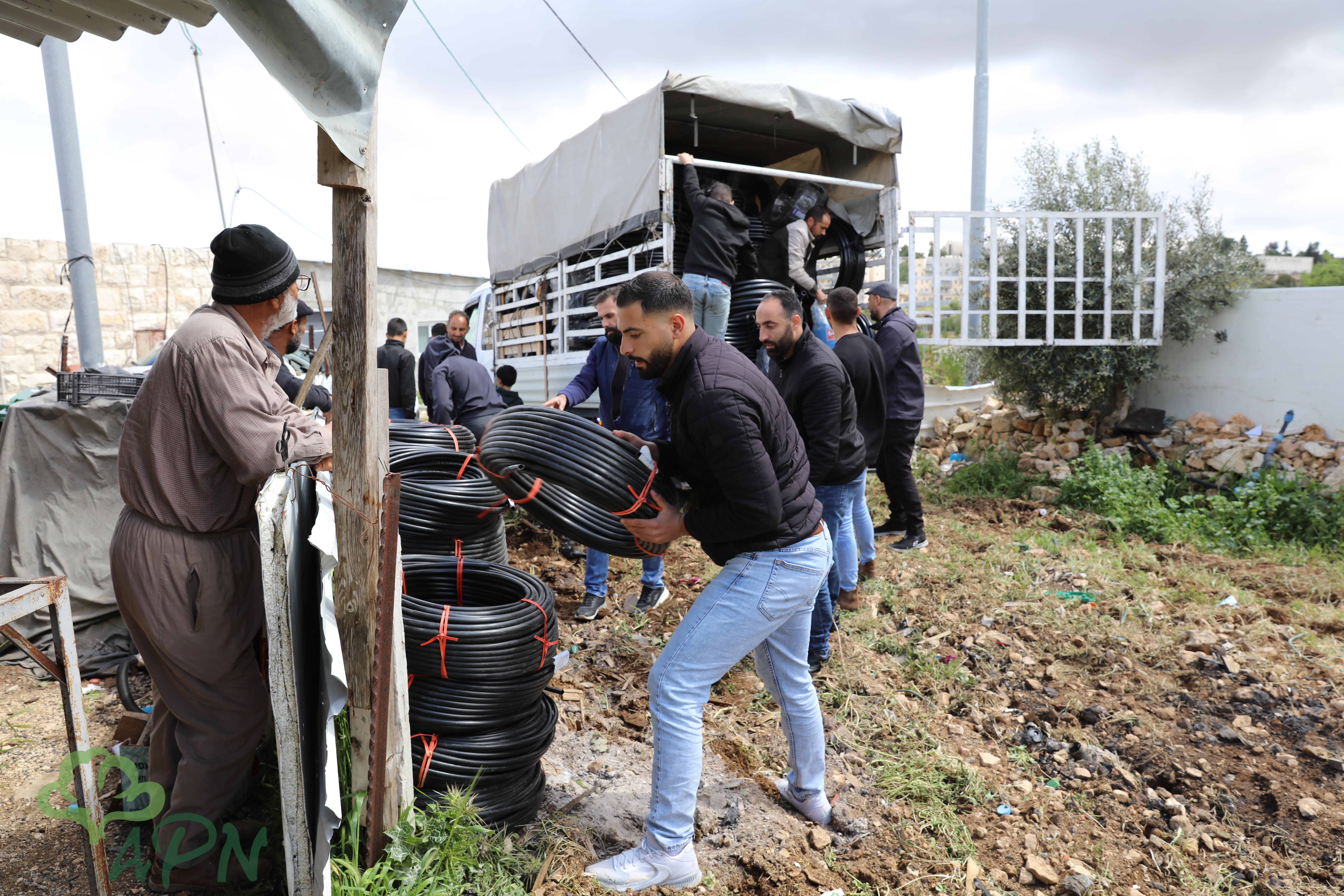
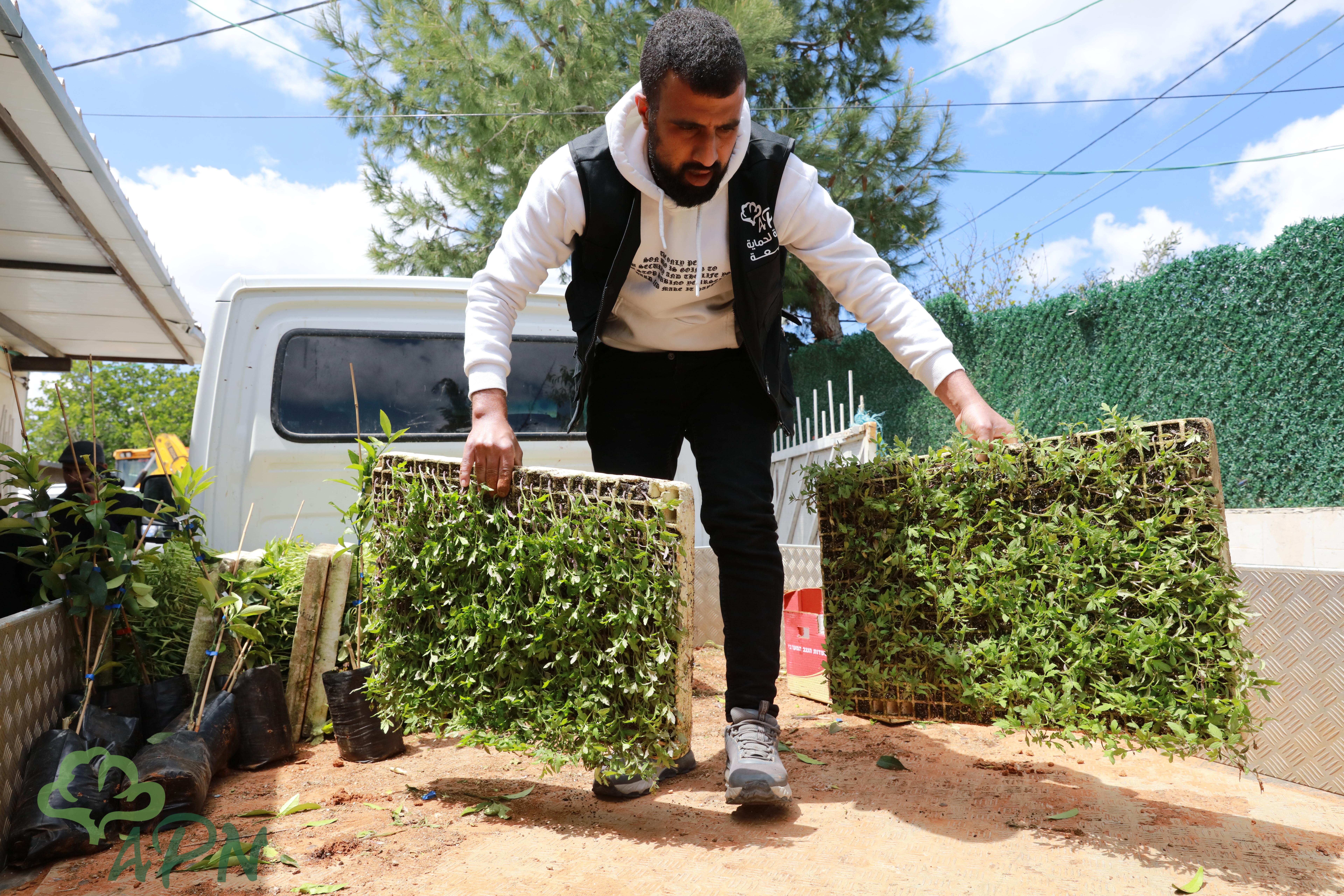
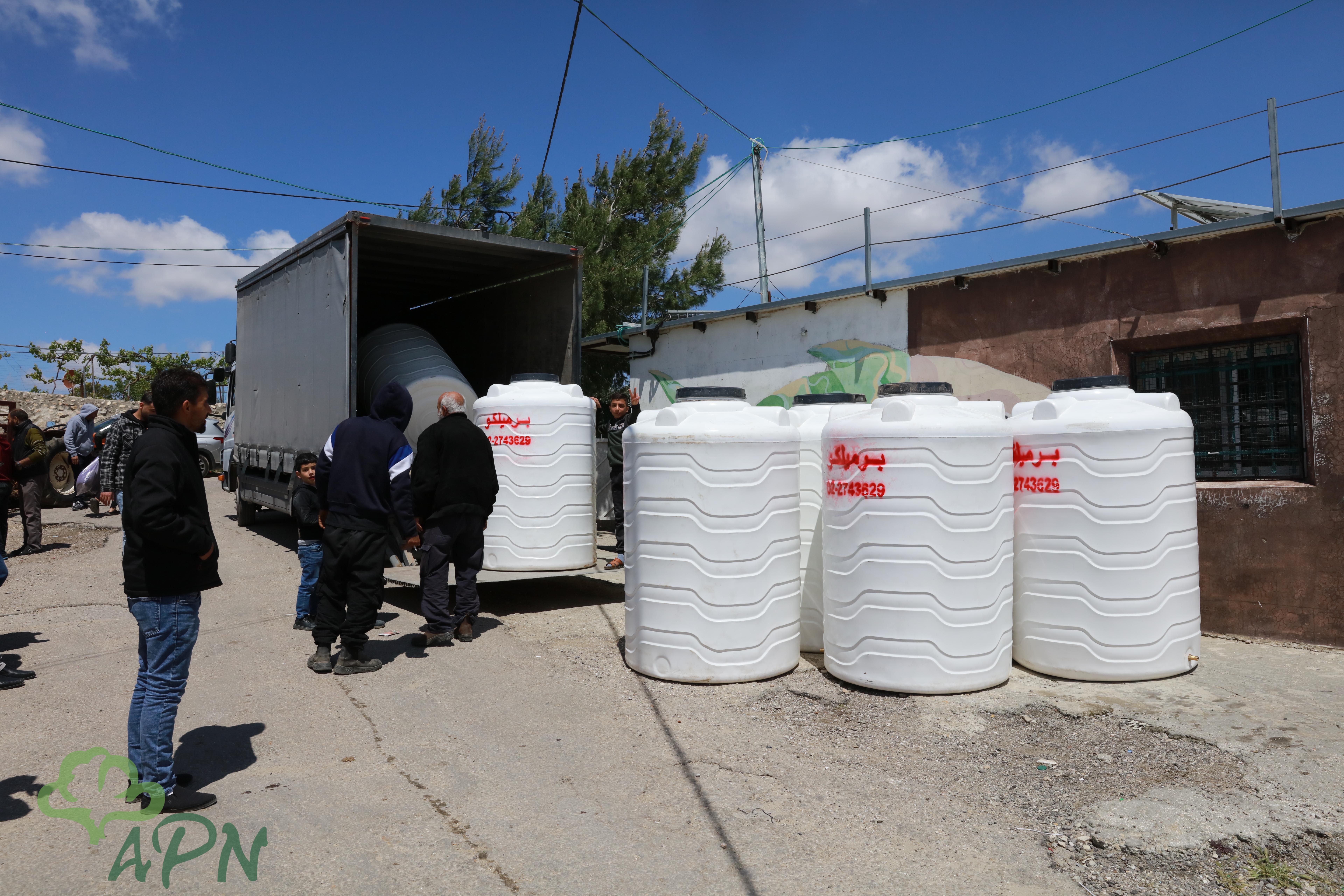
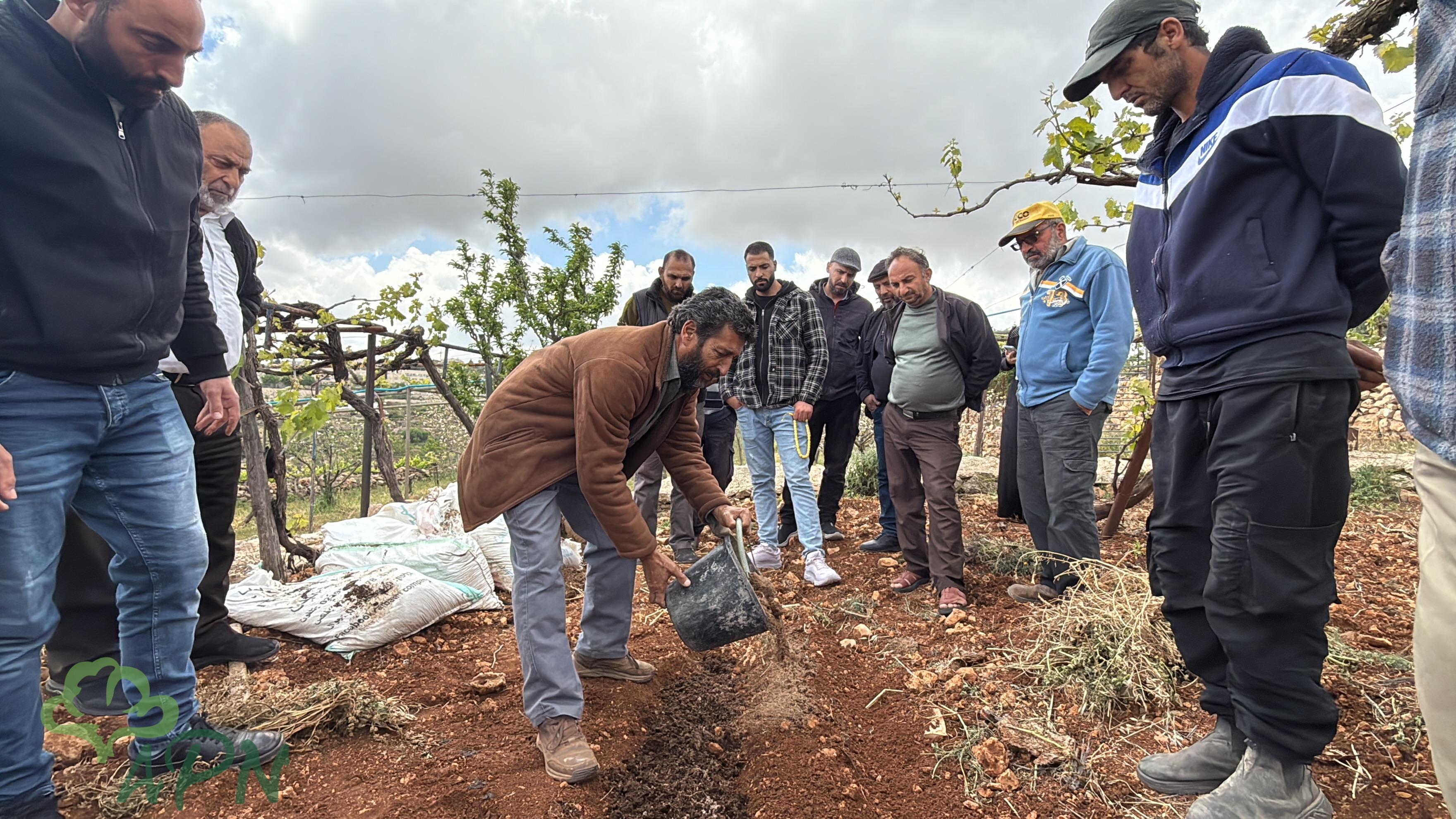
Our pilot village is encircled by 15 settlements and is subject to ongoing settler and IOF violence that can be accompanied by full village closures. Heeding the urgent need to strengthen local food systems, APN supported orchard cultivation, supplied household gardens with irrigation and fertigation systems, water tanks, poultry units, and provided agroecological training that harnesses locally available resources. The project also rehabilitated 11 water wells, including a Roman-era communal well, to stabilize water resources against the occupation’s engineered scarcity.
As the Village Council affirmed:
“This project was not merely essential material support; it carried great moral value and a message of humanity that reflects commitment to serving and empowering people.”
Drawing on the success of our pilot village, the project expanded to two new villages, both of which are situated in Area C (under full Israeli military and administrative control) and within the “Greater Jerusalem Vision". The expansion of settlement infrastructure of the surrounding Gush Etzion bloc is suffocating life and livelihood. A colonial shepherding outpost has been established between the two villages, immobilising village movement and occupying precious agricultural land — a common precursor to annexation. Drawing on the legacy of the villages’ resistance and deep-rooted agricultural expertise, the project has responded with tailored support to cultivate sumod.
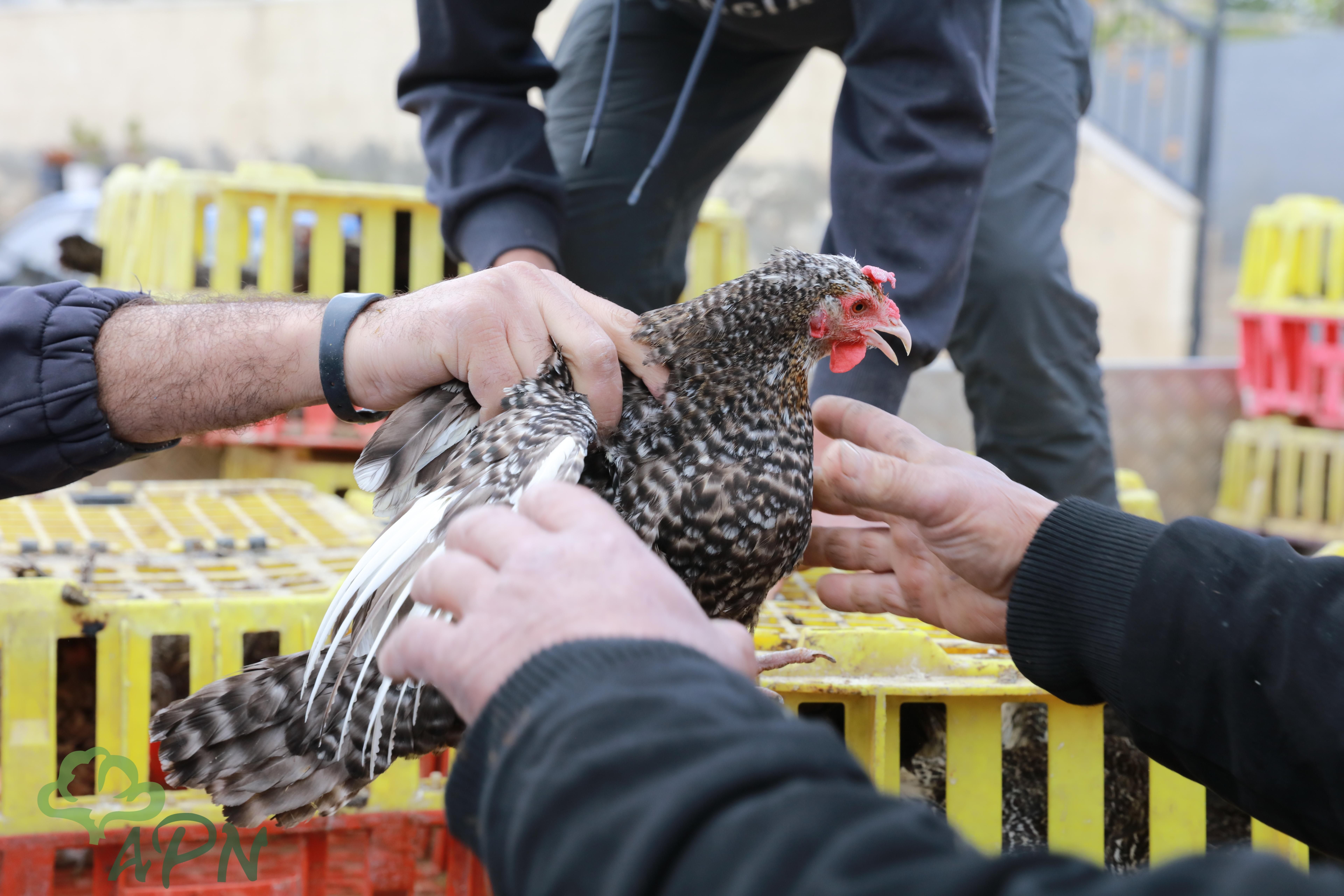
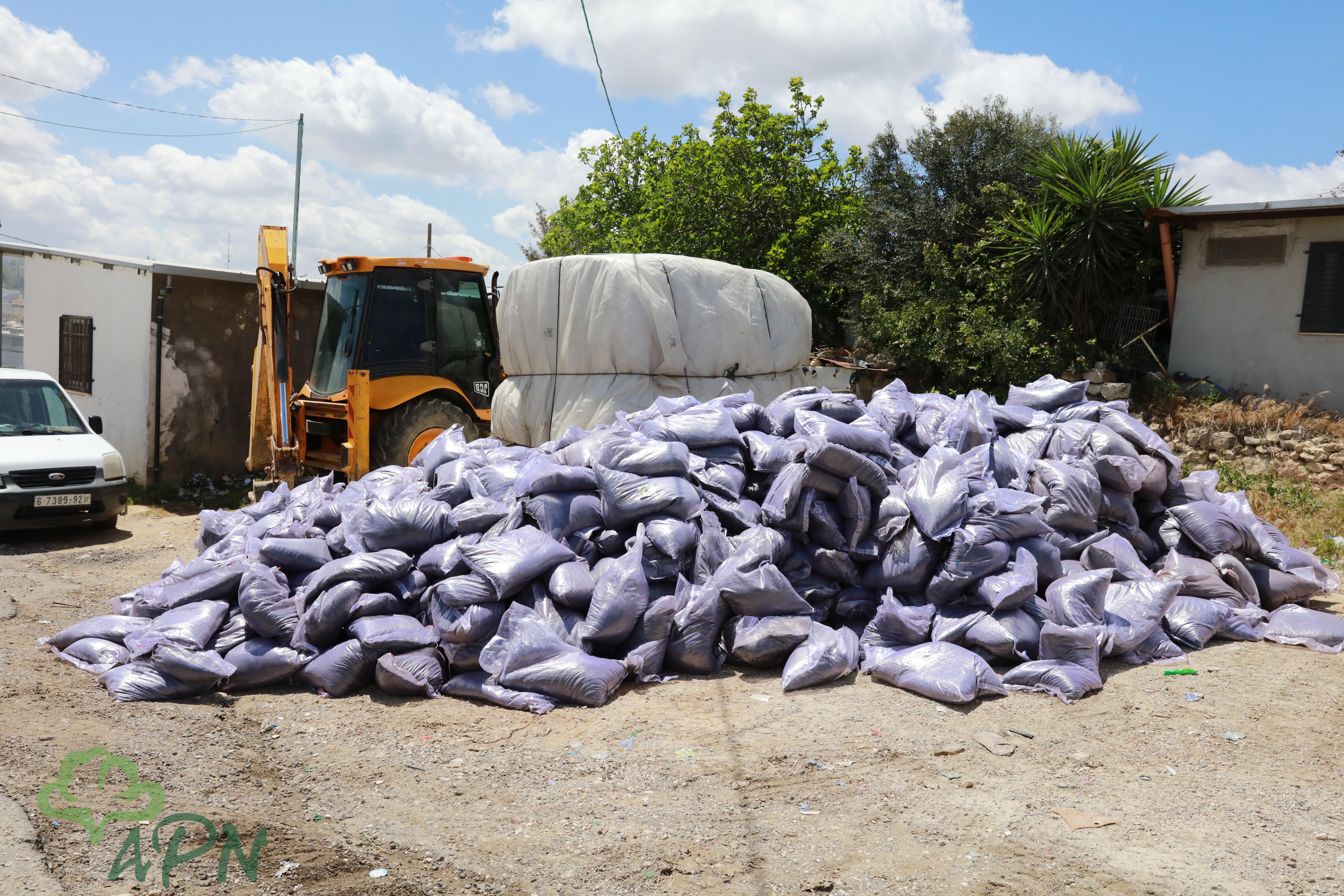
Irrigation networks have been installed and a vital water spring restored to counter the occupation's routine weaponisation of water resources, which are stolen and diverted to surrounding settlements. Household gardens, consisting of seeds, water networks and tanks, compost, gardening equipment and poultry, have been co-developed to localise food producing capacities.
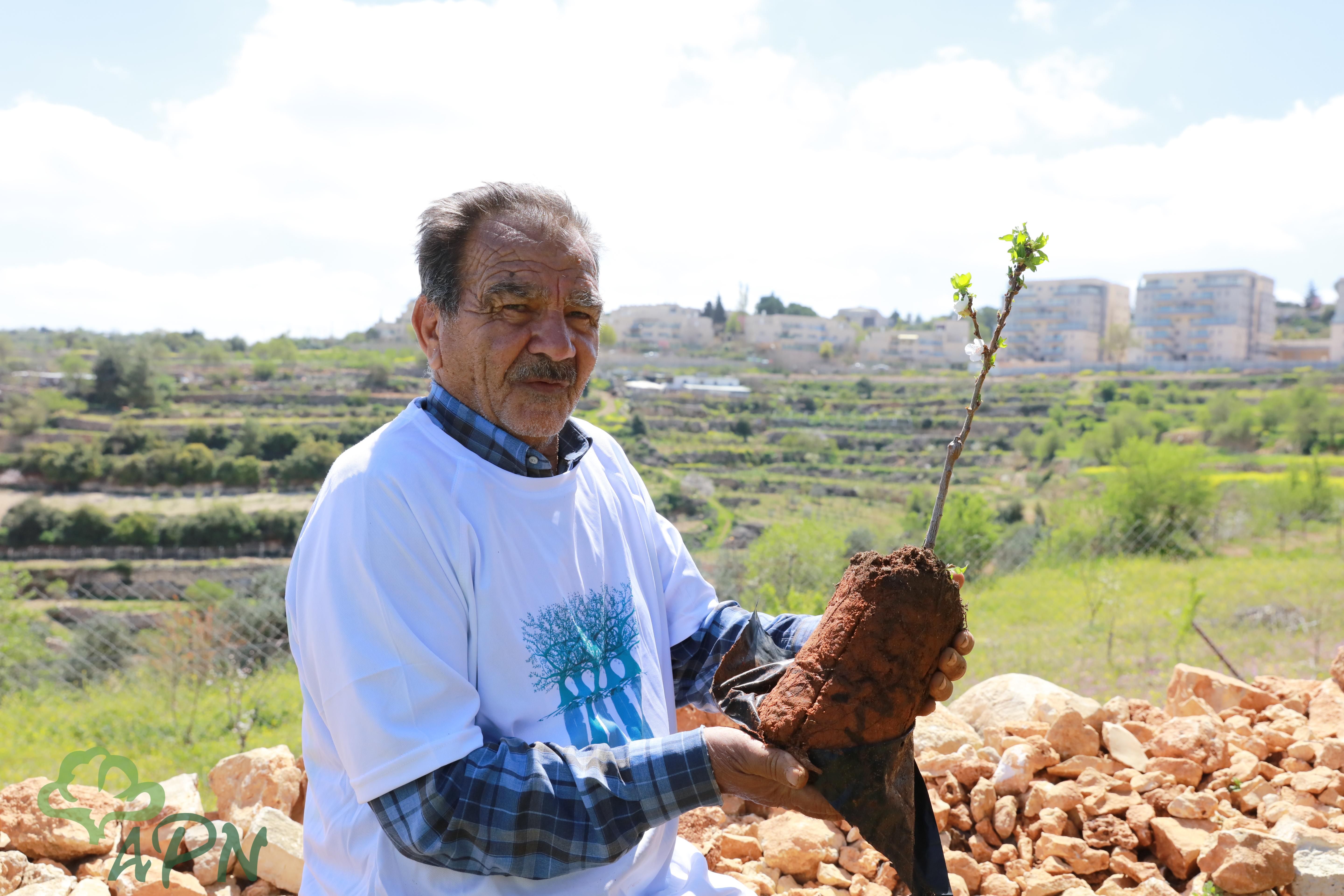
Orchard cultivation will soon be implemented across both villages, serving not only as a defense against land confiscation, but also as a crucial source of food and income, especially since the occupation has revoked the work visas of over 120,000 Palestinians since October 2023. Agroecological training sessions are also being designed to build food systems resistant to blockade tactics.
While funds are yet to be met to install agricultural ponds to complete implementation, the project has sustained its critical momentum by expanding to an additional three villages where it is currently in the design phase.
Together, Cultivating Sumod in the West Bank is strengthening a strategic network of villages to remain steadfast in pursuit of food and water sovereignty, protecting land from confiscation, reducing dependence on the occupation economy, and sustaining hope to remain on the land.
Across historic Palestine, the occupation continues to weaponize food and life-sustaining ecosystems as part of its colonial project of replacement and erasure.
From the farmers harvesting molokhia under the ruins of Gaza, to the grape vines bearing fruits under the shadow of settlement walls in the West Bank, APN stands with Palestinians in life, resistance and return.
In the words of one of our steadfast farmers:
“If they were to pay us millions, it wouldn’t make us move one centimeter. It’s enough for us to come, me, my wife and my children, to smell a sprig of sage.”